Menstrual cramps are something millions of women deal with every month, yet they are often managed with painkillers that only mask the discomfort without addressing the root cause.
Ayurveda takes a different approach. It sees menstrual pain not as an isolated symptom but as a signal from the body — often linked to an imbalance in Vata dosha, poor digestion, or accumulated stress between cycles. The good news is that simple, time-tested remedies using ingredients already found in most Indian kitchens can make a real difference. From ginger and ajwain to castor oil packs and gentle yoga, these remedies work with your body rather than against it.
This guide walks you through the top 10 Ayurvedic remedies for menstrual cramps, how to use them correctly, and what to do between cycles so your next period is noticeably easier.
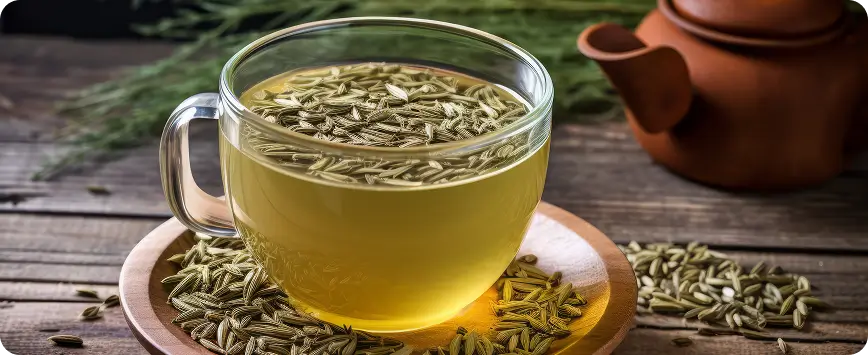
Ginger and Fennel Tea
Ginger is one of the most effective ayurvedic remedies for menstrual. Fennel relaxes uterine smooth muscle and relieves bloating.
How to prepare: Boil 1 tsp freshly grated ginger + 1 tsp fennel seeds in 2 cups of water for 10 minutes. Strain, add a pinch of jaggery, and sip warm. Drink 2–3 cups daily from 2 days before your period through the first 2 days of flow.
Ajwain Water (Carom Seeds)
Ajwain is a potent Vata-hara herb — specifically indicated for spasmodic pain, gas, and abdominal cramping. It works rapidly and is one of the most underrated home remedies for period pain.
How to prepare: Boil 1 tsp ajwain seeds in 1.5 cups of water until it reduces to one cup. Strain and drink warm. A pinch of black salt enhances the effect.
Hing (Asafoetida) with Warm Water
Hing is one of Ayurveda’s most powerful Vata-pacifying substances, specifically effective for obstructed Apana Vata — the exact mechanism behind cramping pain.
How to use: Dissolve a small pinch (approximately ⅛ tsp) of hing in a glass of warm water with a pinch of rock salt. Drink at the first sign of cramping. Alternatively, heat hing in a small amount of ghee and add to food during the days leading up to your period.
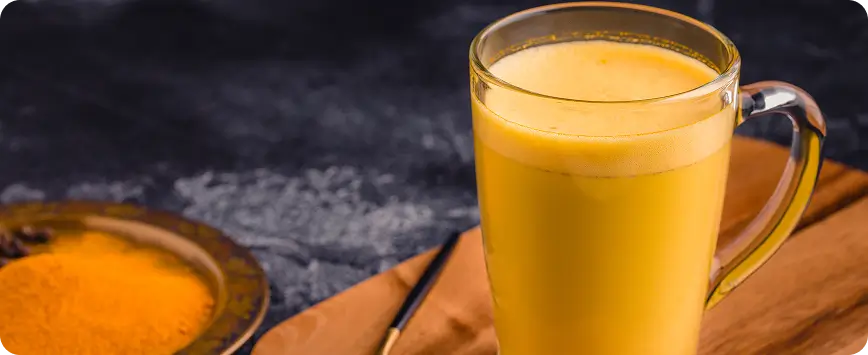
Turmeric Milk (Golden Milk)
Turmeric is Ayurveda’s foremost anti-inflammatory herb. Its active compound curcumin reduces prostaglandin synthesis, modulates hormonal activity, and improves pelvic circulation — addressing both the cause and symptom of menstrual pain.
How to prepare: Warm 1 cup of full-fat milk, add ½ tsp turmeric powder, a pinch of black pepper (enhances curcumin absorption by up to 2000%), and ½ tsp ghee. Sweeten with jaggery. Drink warm before bed in the days leading up to and during your period.
Warm Castor Oil Pack
Castor oil (Eranda taila) is one of Ayurveda’s primary oils for Vata pacification and pelvic health. Applied externally, it penetrates deeply into tissue, reduces inflammation, relaxes uterine muscles, and improves lymphatic circulation in the pelvic region.
How to use: Warm a small amount of castor oil. Soak a soft cloth in it and place it over the lower abdomen. Cover with a dry cloth and place a hot water bottle over it. Leave for 30–45 minutes. Use during the 3–5 days before your period begins for preventive effect, and during the first 1–2 days of flow for acute relief.
Warm Sesame Oil Abhyanga (Abdominal Massage)
Abhyanga — medicated oil self-massage — is a cornerstone of ayurvedic period pain relief. For menstrual cramps specifically, gentle lower abdominal and lower back massage with warm sesame oil directly addresses Apana Vata obstruction.
How to use: Warm sesame oil slightly (test on wrist — it should feel comfortable). Using circular, clockwise motions, gently massage the lower abdomen for 10–15 minutes. Follow with a warm shower or compress. Practice daily during the 5 days before your period and throughout your flow.
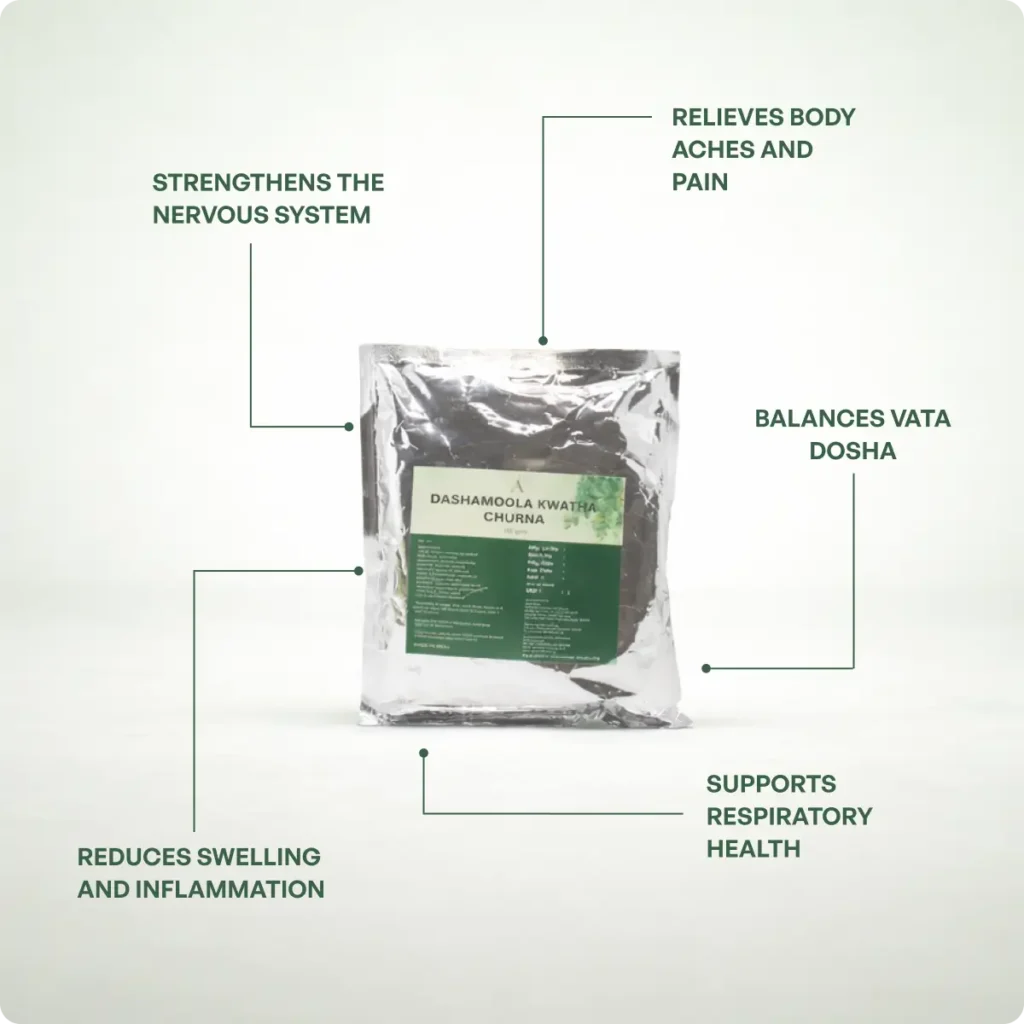
Dashamoola Decoction
Dashamoola — literally “ten roots” — is one of Ayurveda’s most classical and clinically validated formulations for Vata disorders. It is specifically indicated for pelvic pain, uterine discomfort, and reproductive Vata imbalance, making it a cornerstone of ayurvedic treatment for menstrual pain.
How to use: Dashamoola is available as a churna (powder), tablet, or readymade kashayam (decoction).
As a kashayam: mix 15–20 ml with equal warm water and drink on an empty stomach twice daily, 5–7 days before your expected period.
As tablets: 2 tablets with warm water after meals, as directed by a practitioner.
Sesame Seeds
Sesame (Tila) is one of Ayurveda’s most Vata-pacifying foods and a rich source of magnesium, calcium, and zinc — all of which are clinically associated with reduced menstrual cramping. Magnesium specifically relaxes uterine smooth muscle and reduces prostaglandin production.
How to use: Add 1–2 tbsp white sesame seeds to your daily meals — in chutneys, mixed with jaggery as a small snack, or stirred into warm porridge. Sesame seed laddoos with jaggery and ghee are a classic and highly effective Ayurvedic pre-menstrual nourishment food. Begin 5–7 days before your expected period.
Cumin Seeds (Jeera) Tea
Cumin (Jeeraka) has direct antispasmodic and anti-inflammatory properties, and is particularly effective for the digestive component of menstrual discomfort — bloating, cramping, and nausea that accompany period pain.
How to prepare: Dry roast 1 tsp cumin seeds lightly, then boil in 2 cups of water for 5 minutes. Strain and sip warm. Can be combined with fennel for enhanced effect.
Gentle Yoga and Heat Therapy
Yoga poses that specifically relieve menstrual cramps:
- Balasana (Child’s Pose) — gently decompresses the lower back and relaxes pelvic muscles
- Supta Baddha Konasana (Reclined Butterfly) — opens the pelvis and improves blood flow to the uterus
- Viparita Karani (Legs Up the Wall) — reduces pelvic congestion and calms the nervous system
- Gentle twists (seated) — stimulate circulation and release lower back tension
Heat therapy: A hot water bottle or warm compress applied to the lower abdomen for 15–20 minutes is one of the most immediately effective ayurvedic period pain relief tools. Heat relaxes uterine muscle spasms and increases local blood flow, reducing both intensity and duration of cramps.
The Ayurvedic Diet During Menstruation
What you eat during your period significantly influences pain levels. Ayurveda prescribes Pathya Ahara — a therapeutic dietary approach tailored to support smooth menstrual flow.
Include:
- Warm, freshly cooked, easily digestible meals
- Warm soups, khichdi, and well-spiced dal
- Herbal teas — ginger, fennel, ajwain, cumin
- Ghee in cooking (lubricates and pacifies Vata)
- Jaggery is a natural sweetener (rich in iron, supports blood replenishment)
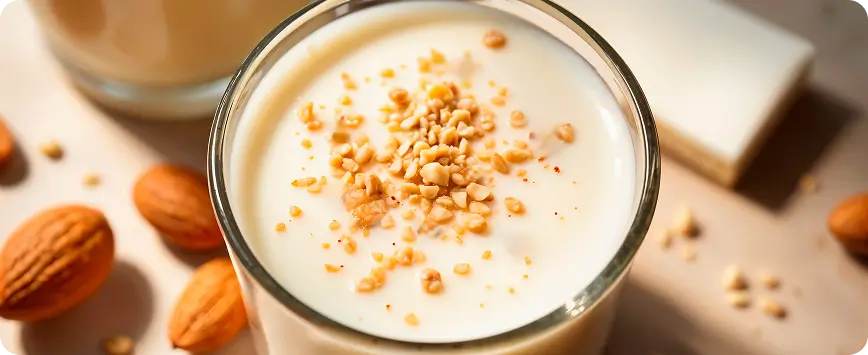
- Sesame seeds, almonds, and warm milk
Avoid:
- Cold drinks and refrigerated foods (immediate Vata aggravators)
- Raw salads and uncooked vegetables during the flow
- Junk, processed, and packaged foods
- Excess caffeine (constricts blood vessels, worsens cramping)
- Carbonated drinks and excess sugar
The Real Treatment Phase: Between Cycles
This is the most important — and most overlooked — principle in ayurvedic treatment for menstrual pain.
Menstrual pain is not created during menstruation. It accumulates in the weeks before. The body you bring to your period is the body you have built between cycles. If Vata is aggravated, digestion is poor, tissues are undernourished, and stress is unmanaged — cramping is almost inevitable.
Between-cycle correction means:
- Eating warm, nourishing, regular meals — never skipping breakfast
- Prioritising 7–8 hours of quality sleep every night
- Managing stress through Pranayama, light yoga, or meditation daily
- Avoiding cold, raw, and processed foods as a consistent habit
- Supporting digestion with Triphala or Trikatu if there is sluggishness
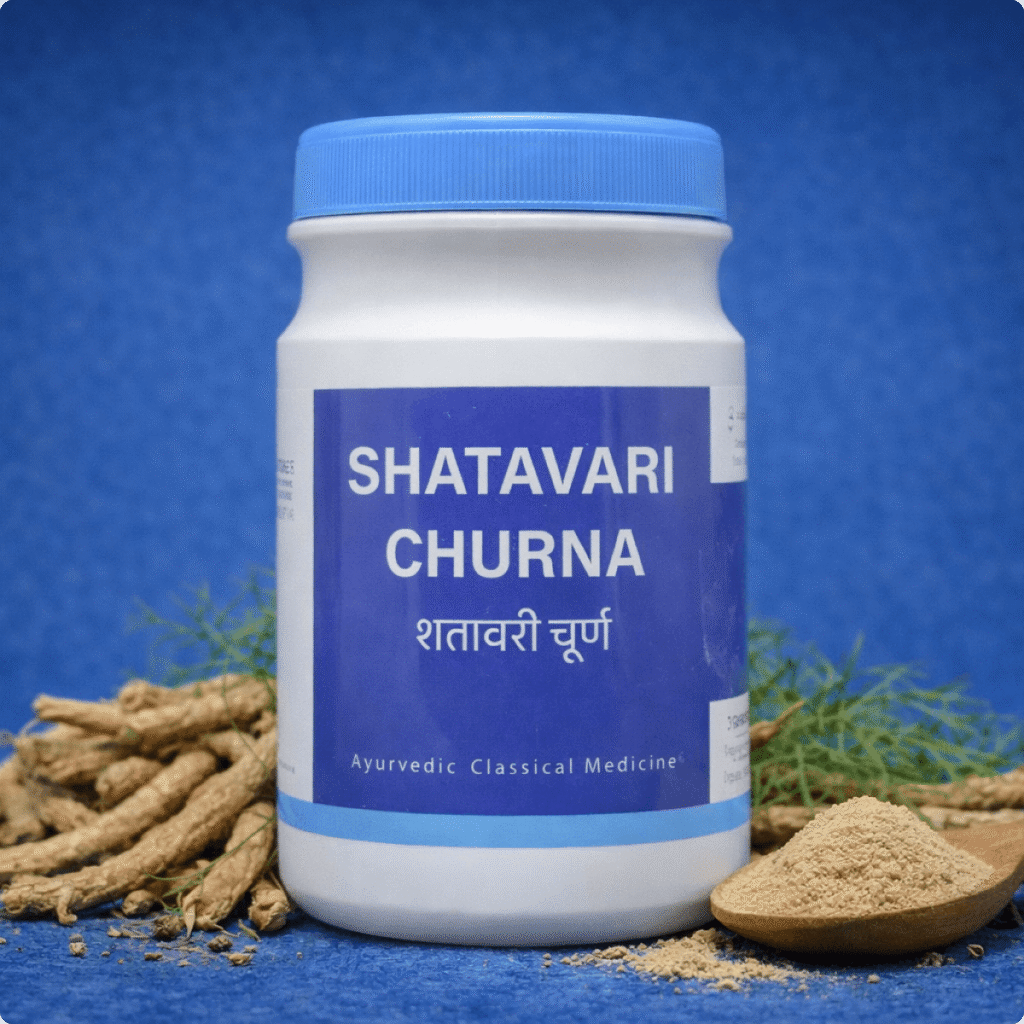
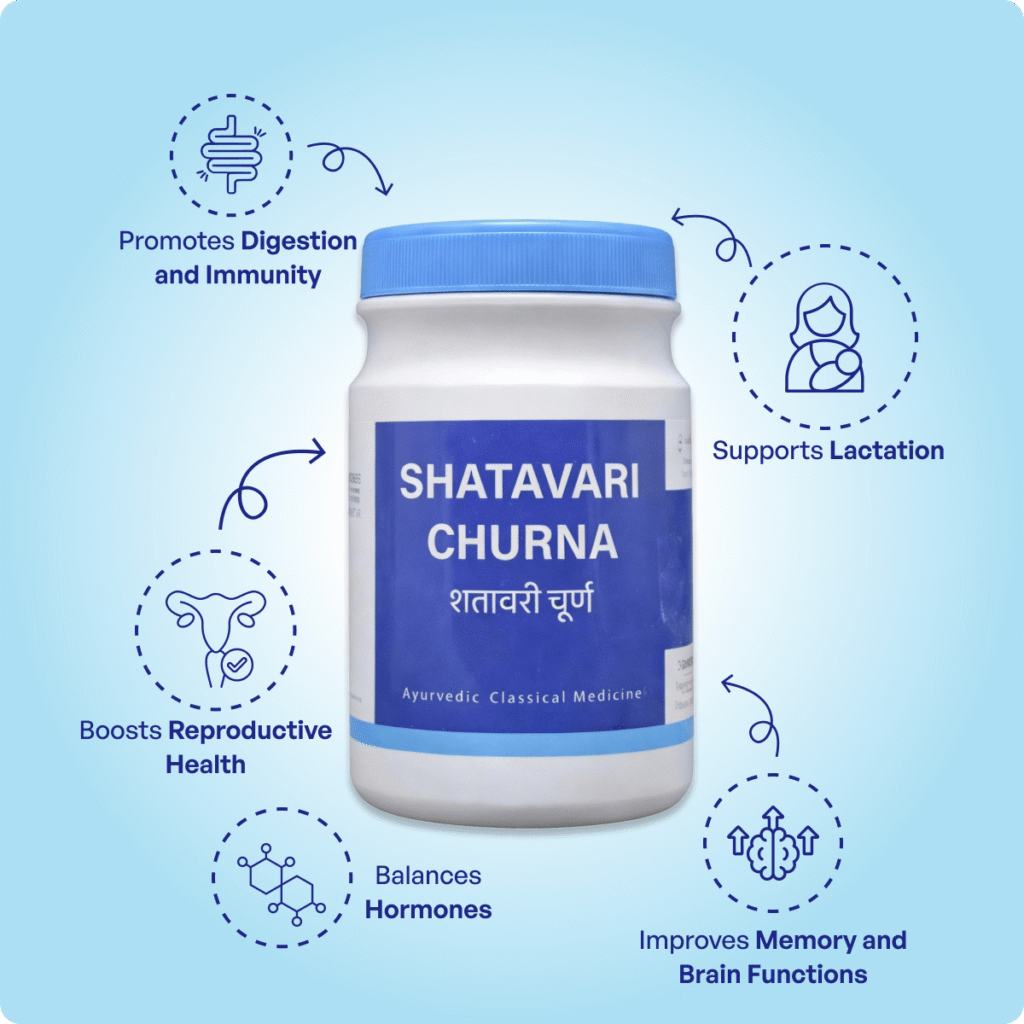
- Taking Shatavari or Dashamoola preventively in the second half of the cycle (Day 14 onwards) if cramps are consistently severe — under practitioner guidance
When to See an Ayurvedic Practitioner
Home remedies are effective for mild-to-moderate menstrual cramps. Seek professional guidance if:
- Pain is severe enough to prevent normal daily activity
- Cramps are worsening progressively over several cycles
- Accompanied by very heavy bleeding, irregular cycles, or unusual discharge
- Associated with a diagnosed condition such as endometriosis, PCOS, or fibroids
- Home remedies have been consistently applied for 2–3 cycles without improvement
A Final Word
Ayurveda doesn’t just treat the pain; it treats the person experiencing it. What makes Ayurvedic remedies so powerful for menstrual health is that they address the root cause rather than simply silencing symptoms month after month. The herbs, oils, dietary adjustments, and lifestyle practices described here have been refined over thousands of years with one goal: to bring the body back into a state of natural balance.
When you begin to live in sync with your cycle, nourishing yourself between periods, managing stress, and using these remedies consistently, the change you feel isn’t just physical. It’s a deeper sense of ease and control over your own wellbeing. Ayurveda gives you that. Not as a quick fix, but as a way of living that makes pain the exception rather than the rule.


 Blog
Blog

 Heart Health
 Joint Pain
 Women’s Health