



Ayurvedic Medicine for Knee Pain, Joint & Bone Health
Ayurvedic medicine for knee pain includes traditional herbal formulations, joint care tablets, medicated oils and preparations associated with joint comfort and mobility. Common Ayurvedic ingredients include Shallaki, Haridra, Rasna, Nirgundi and Ashwagandha, which are used in different traditional approaches to joint stiffness and musculoskeletal wellness.
At AyurvedaOne, explore Ayurvedic tablets for joint pain, traditional muscle-wellness preparations and formulations for bone strength. Compare products such as Strong Joint Tablets, EEEZFLEX-MR, Hadjod Tablets and Kalcium-N based on their ingredients, preparation formats and intended uses.
Ayurvedic products may be considered complementary wellness preparations, but persistent pain, swelling or injuries require appropriate medical evaluation.
What Is Ayurvedic Medicine for Knee Pain?
Ayurvedic medicine for knee pain refers to traditional herbal, mineral and external preparations associated with joint comfort, stiffness and mobility. Ayurveda describes certain joint conditions through concepts such as Sandhivata, traditionally linked with Vata-related joint complaints.
Knee pain may have different causes, including osteoarthritis, injuries, overuse, inflammatory conditions or muscle weakness. A suitable approach depends on the underlying cause rather than the symptom alone.
Traditional knee-care approaches may include:
- Herbal formulations: Products containing ingredients such as Shallaki, Haridra, Rasna and Nirgundi.
- Ayurvedic joint tablets: Formulations combining herbs or other ingredients associated with mobility and joint comfort.
- Medicated oils: External preparations traditionally used for massage and body care.
- Movement and strengthening: Appropriate exercises to maintain joint mobility and surrounding muscle strength.
- Practitioner-guided therapies: Traditional procedures that may be considered alongside appropriate medical care.
Someone experiencing mild knee stiffness may require a different approach from someone with an acute ligament injury or severely swollen joint.
Read How to Reduce Knee Joint Pain Naturally for additional information about knee mobility and lifestyle care.
Which Ayurvedic Herbs Are Commonly Used for Knee and Joint Pain?
Shallaki, Haridra, Guggul, Rasna, Ashwagandha and Nirgundi are commonly discussed in traditional Ayurvedic musculoskeletal preparations. Their purposes and scientific evidence vary, and no single herb is appropriate for every cause of knee pain.
- Shallaki (Boswellia serrata): Traditionally associated with joint comfort and mobility. Certain Boswellia extracts have shown modest improvements in osteoarthritis symptoms in some clinical studies, although results cannot be generalised to every product. Strong Joint Tablets contain Shallaki alongside Glucosamine and Haridra.
- Haridra (Turmeric): Contains curcuminoids, including curcumin, which have been investigated for inflammation-related biological effects. Concentrated turmeric supplements may interact with medicines and have occasionally been associated with liver injury.
- Guggul (Commiphora mukul): A traditional resin used in selected joint-related formulations. Evidence does not establish that Guggul reliably treats arthritis or repairs damaged cartilage.
- Rasna: Traditionally associated with joint mobility and body-comfort preparations. AyurvedaOne offers Rasna Churna for customers comparing traditional herbal powders.
- Ashwagandha (Withania somnifera): Traditionally associated with strength, vitality and stress-related wellness. It is not an established treatment for knee-joint damage. Browse Ashwagandha Churna for its traditional wellness use.
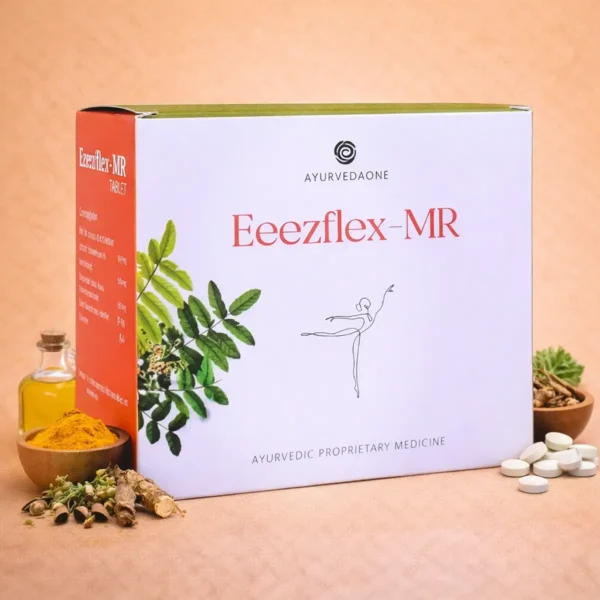
- Nirgundi (Vitex negundo): Traditionally included in musculoskeletal formulations for internal or external use. EEEZFLEX-MR contains Nirgundi Ghana together with Shallaki and Langali Ghana.
- Hadjod (Cissus quadrangularis): Traditionally associated with bone-related wellness rather than proven treatment of knee pain. Explore Hadjod Tablets.
Traditional use and evidence from individual ingredient studies do not guarantee that a finished Ayurvedic product treats osteoarthritis or other joint diseases.
Which Ayurvedic Tablets for Knee Pain Are Available at AyurvedaOne?
Ayurvedic tablets for knee pain may contain traditional herbs or combinations of ingredients marketed for joint comfort, stiffness and mobility. Different formulations have different intended uses and safety considerations.
AyurvedaOne offers the following relevant products:
- Strong Joint Tablets: Highlight Glucosamine, Shallaki and Haridra. The product is positioned for customers comparing joint-comfort and mobility formulations. Findings from individual ingredients should not be treated as proof that the finished product regenerates cartilage or treats arthritis.
- EEEZFLEX-MR Tablets: Contain Shallaki extract, Nirgundi Ghana and Langali Ghana. The formulation is marketed for stiffness and muscle-spasm-related discomfort. Because Langali (Gloriosa superba) is associated with serious toxicity concerns, this product requires qualified professional supervision and should not be chosen for casual self-medication.
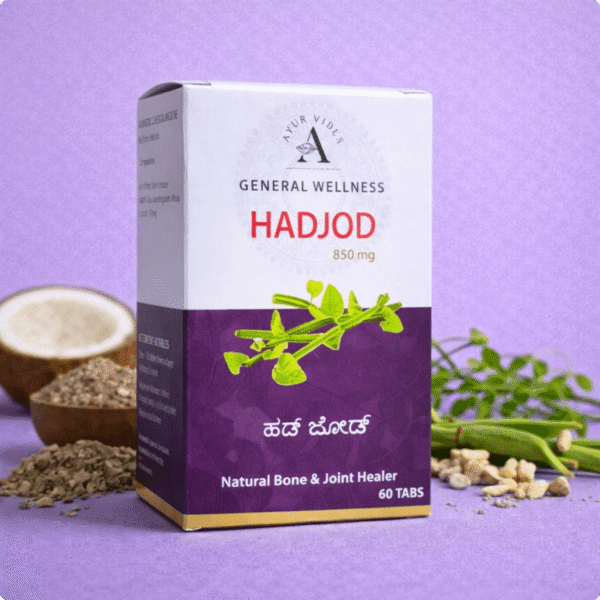
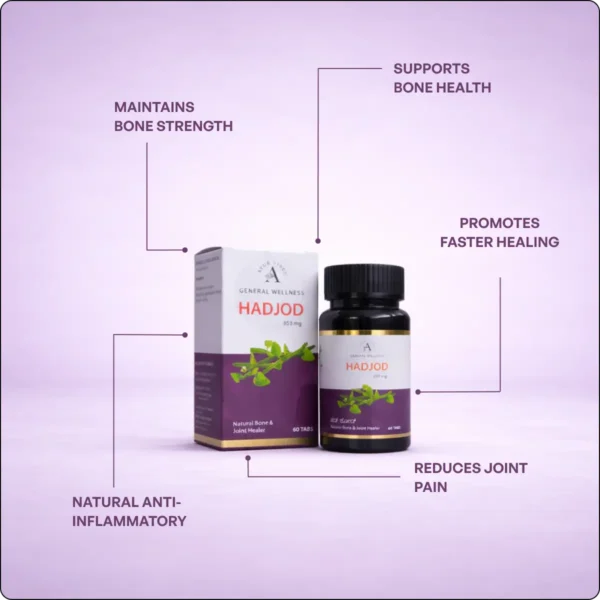
- Hadjod Tablets: Contain Hadjod, a traditional bone-related botanical. These are more relevant to bone-wellness shopping requirements than to proven management of knee arthritis.
Before selecting Ayurvedic knee pain tablets, check the complete composition, the manufacturer’s directions, possible interactions and the underlying cause of your symptoms.
Which Ayurvedic Tablets for Joint Pain Should You Compare?
Ayurvedic tablets for joint pain are marketed for various musculoskeletal concerns, including stiffness, mobility and general joint wellness. Joint pain may affect the knees, shoulders, hips, wrists, fingers or spine.
Customers should compare these products according to their formulation and intended use:
- For general joint comfort: Review the composition of Strong Joint Tablets.
- For stiffness or muscle-spasm-related product comparisons: EEEZFLEX-MR is listed in this range, but requires particular caution because of Langali.
- For traditional bone-related wellness: Hadjod Tablets represent a different herbal formulation.
- For calcium-focused supplementation: Kalcium-N is positioned around mineral-based bone wellness rather than as a direct pain treatment.
Different medical conditions require different management. A tablet marketed for joint wellness should not automatically be selected for ligament tears, gout, inflammatory arthritis or severe knee swelling.
For additional information, read Ayurvedic Medicine for Joint Pain: Oils, Tablets and Home Remedies.
How Do Ayurvedic Joint Tablets, Bone Supplements and Medicated Oils Compare?
AyurvedaOne offers traditional musculoskeletal preparations in tablets, herbal powders, kashayams and external oils. Their purposes differ, so customers should review the full product information before purchasing.
| Product | Ingredients or formulation | Traditional or marketed focus | Shop |
|---|---|---|---|
| Strong Joint Tablets | Glucosamine, Shallaki, Haridra | Joint comfort and mobility | Buy Now |
| EEEZFLEX-MR | Shallaki, Nirgundi, Langali | Joint stiffness and muscle-spasm-related positioning; professional supervision necessary | Buy Now |
| Rasna Churna | 90 g traditional herbal powder | Joint and body wellness | Buy Now |
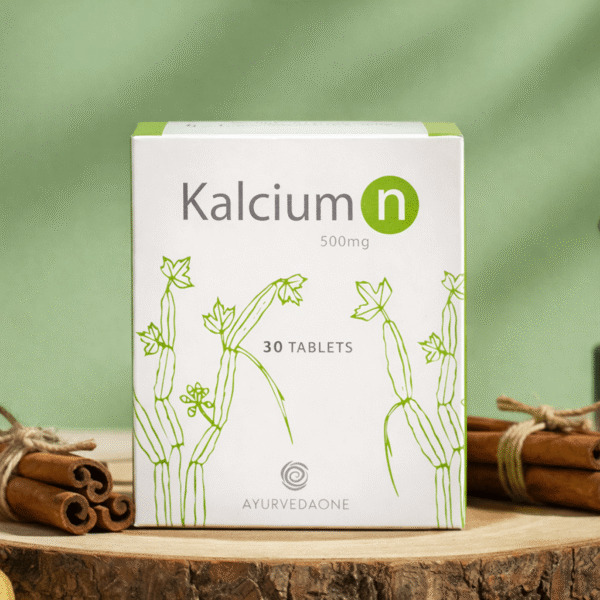
| Kalcium-N | Mineral and herbal formulation; 500 mg, 30 tablets | Calcium-focused bone wellness | Buy Now |
| Hadjod Tablets | Hadjod; 850 mg, 60 tablets | Traditional bone-related wellness | Buy Now |
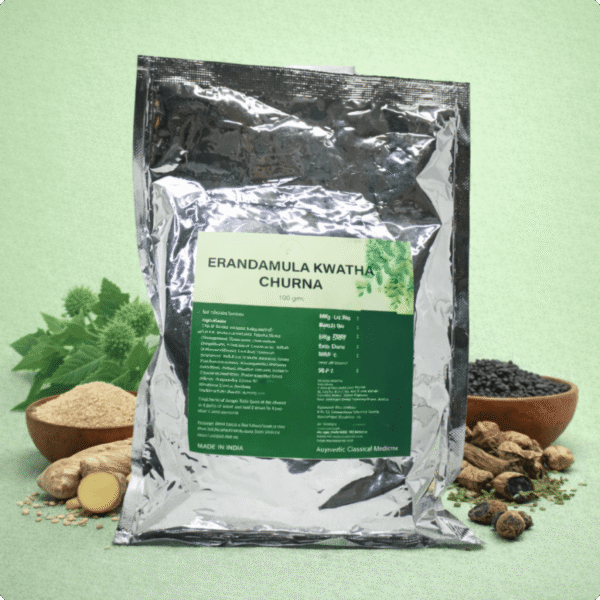
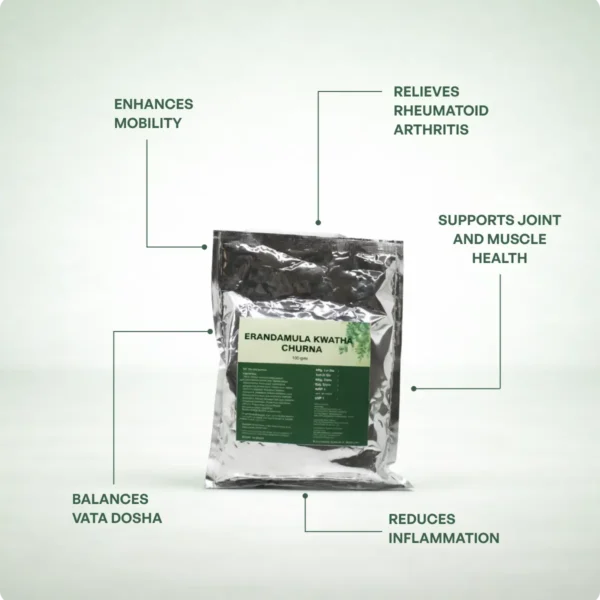
| Dashamoola Kwatha Churna | Classical ten-root preparation | Traditional muscle and joint wellness | Buy Now |
| Murivenna Taila | 200 ml medicated external oil | Traditional external body-care practices | Buy Now |
| Balamula Churna | 90 g herbal powder | Traditional muscle and body-comfort preparations | Buy Now |
Note: Buy Now links open individual product pages for current prices, availability, full composition and usage instructions. Pack strength or tablet weight does not necessarily indicate the quantity of one active ingredient. The table compares product positioning, not proven clinical effectiveness.
Which Ayurvedic Oils Are Traditionally Used for Knee Pain and Joint Stiffness?
Ayurvedic medicated oils are traditionally used in external massage and body-care practices. Different Taila formulations contain different ingredients, and their traditional uses do not establish that they repair damaged knee cartilage or treat arthritis.
Commonly discussed preparations include:
- Mahanarayana Taila: A classical medicated oil traditionally associated with joint and muscle massage, particularly for stiffness and body comfort.
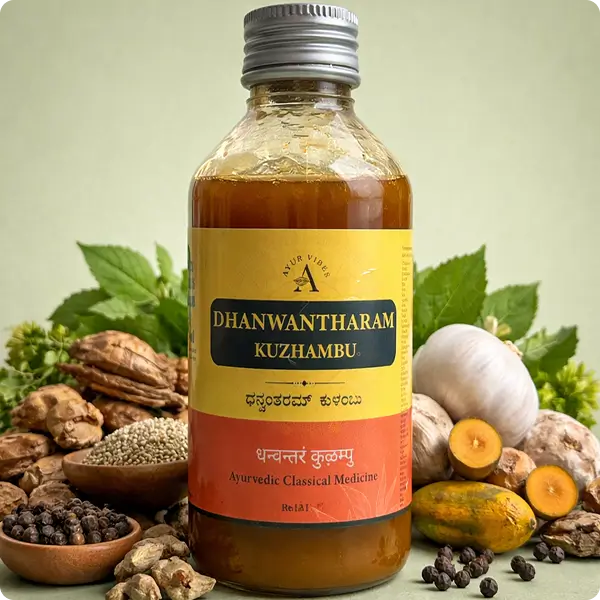
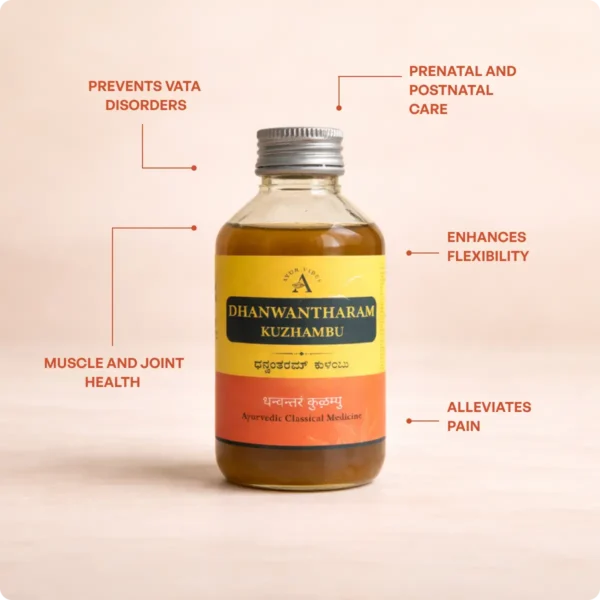
- Dhanwantharam Taila or Kuzhambu: Traditional external formulations used in Ayurvedic massage and musculoskeletal wellness. Explore Dhanwantharam Kuzhambu in the AyurvedaOne range.
- Kottamchukkadi Taila: A traditional Kerala Ayurvedic medicated oil associated with external applications for musculoskeletal discomfort.
- Pinda Taila: A traditional medicated oil used in external body-care practices, including massage.
- Murivenna Taila: A traditional external preparation used in body-care practices. Browse Murivenna Taila.
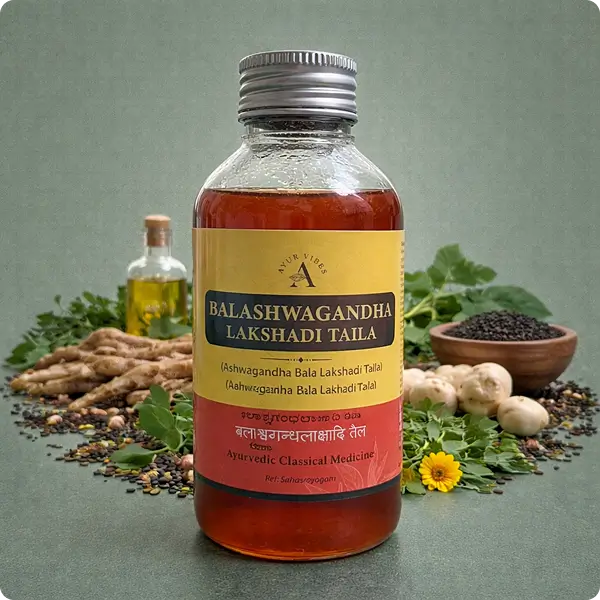
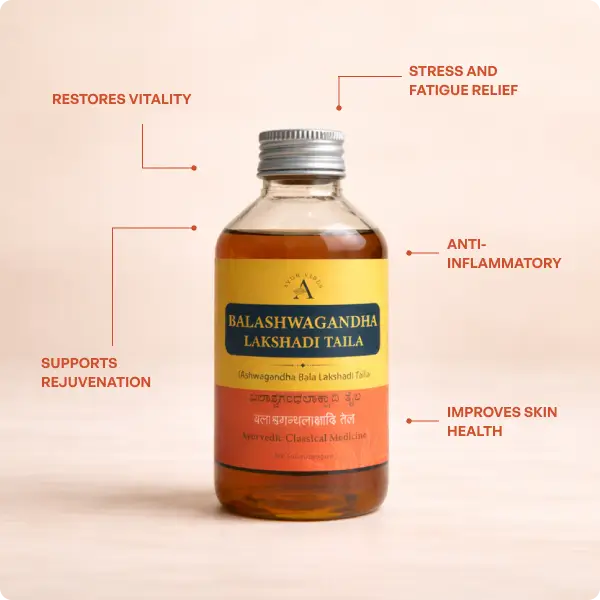
- Balashwagandha Lakshadi Taila: A traditional nourishing massage oil. Explore Balashwagandha Lakshadi Taila.
Avoid vigorous massage and heat over a newly injured, severely swollen or acutely painful knee until the cause has been assessed.
What Role Do Panchakarma Therapies Play in Ayurvedic Knee and Joint Care?
Panchakarma refers to traditional Ayurvedic therapeutic procedures performed under qualified practitioner supervision. Some external therapies are commonly discussed for knee stiffness, musculoskeletal comfort and body care.
Examples include:
- Janu Vasti: A procedure in which warmed medicated oil is traditionally retained over the knee for a prescribed period.
- Patra Pinda Sweda: A traditional fomentation practice involving heated herbal-leaf bundles.
- Abhyanga: Traditional oil massage performed according to individual circumstances.
- Swedana: Traditional warming or fomentation procedures.
These therapies should not be described as proven methods of regenerating cartilage, repairing ligaments or curing advanced osteoarthritis.
Heat and massage may be inappropriate for acute injuries, infections, severe swelling or certain vascular conditions. Professional evaluation is important before undergoing treatment.
Which Ayurvedic Medicine for Muscle Pain and Stiffness Is Available?
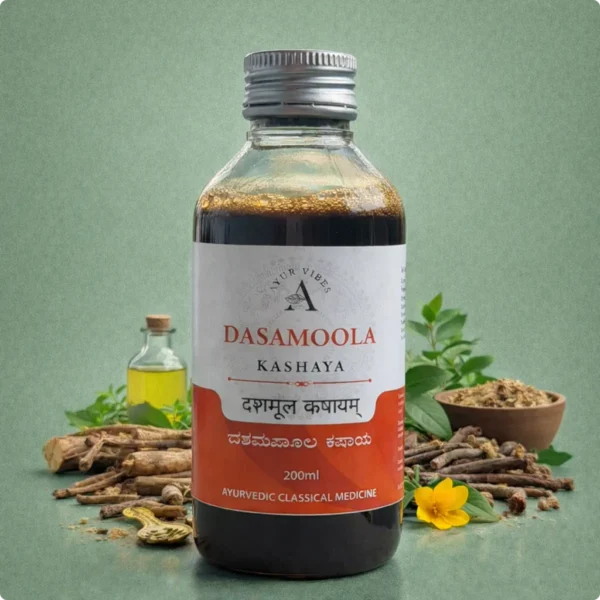
Ayurvedic medicine for muscle pain includes traditional herbal formulations and external preparations used in musculoskeletal wellness practices. AyurvedaOne offers Dashamoola Kwatha Churna, Balamula Churna and Murivenna Taila among its relevant products.
Ayurvedic products for muscle and body wellness include:
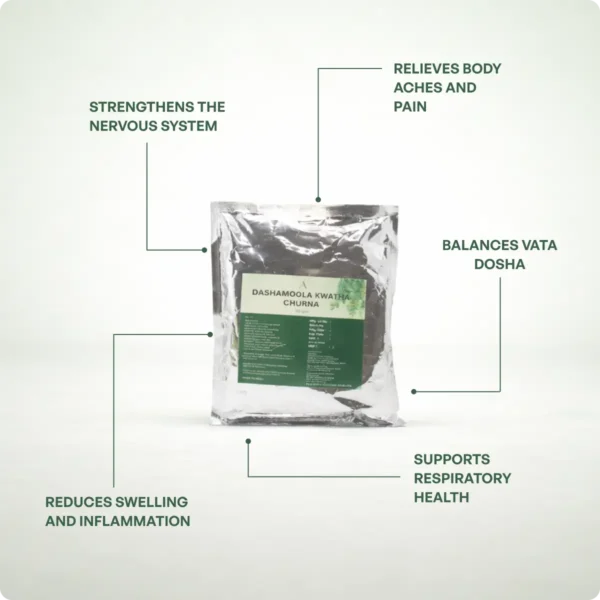
- Dashamoola Kwatha Churna: Churna for decoction, used in traditional Vata-oriented musculoskeletal preparations. View product.
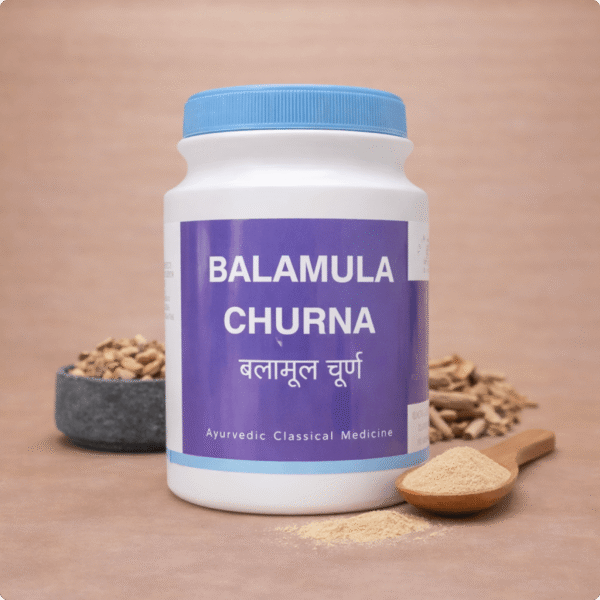
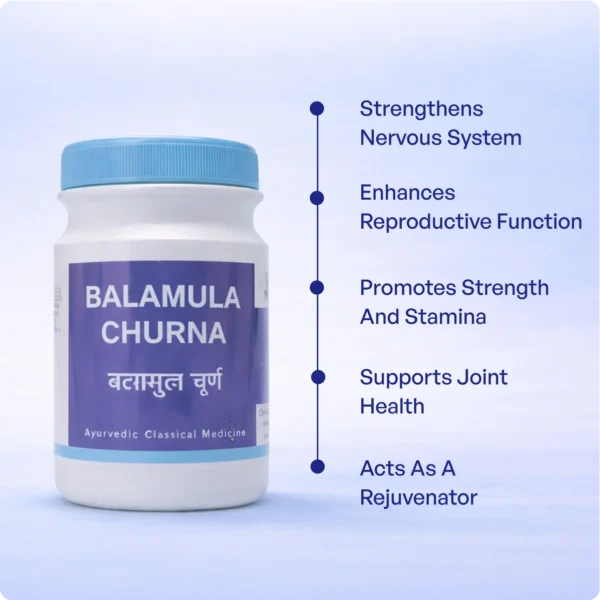
- Balamula Churna: Herbal powder used in traditional vitality and body-comfort preparations. View product.
- Murivenna Taila: Medicated external oil used in traditional body-care practices. View product.
- Balashwagandha Lakshadi Taila: Medicated external oil used in traditional nourishing massage. View product.
How are these dosage forms different?
- Churnas: Powdered herbal preparations used according to their specific instructions.
- Kwatha preparations: Traditional decoction-style preparations that require product-specific preparation and dosage guidance.
- Tailas: Medicated oils used externally according to the label or practitioner instructions.
External oils should not be applied to open wounds without appropriate professional guidance. Muscle pain associated with weakness, injury, fever or persistent symptoms needs medical evaluation.
Related article: Balamula Churna Benefits, Uses and Dosage.
Which Ayurvedic Medicine for Bone Strength Is Available at AyurvedaOne?
Ayurvedic medicine for bone strength includes traditional herbal and mineral formulations selected for their intended role in musculoskeletal wellness. AyurvedaOne offers Kalcium-N Ayurvedic Calcium Tablets and Hadjod Tablets as two bone-focused options.
These products differ in composition and should not be considered interchangeable with prescribed calcium supplementation or osteoporosis treatment.
- Kalcium-N: This product contains traditional mineral preparations and herbal ingredients associated with Ayurvedic bone care, including Mukta Sukthi Bhasma, Ashthishrunkala extract, Shigru and Shankha Bhasma. Its 500 mg tablet weight should not be confused with 500 mg of elemental calcium. Check the actual calcium content and full composition before using it to address a nutritional requirement. View Kalcium-N.
- Hadjod Tablets: Hadjod, also called Asthishrinkhala, is traditionally used in bone-related Ayurvedic formulations. Its history of use does not establish that a finished supplement accelerates fracture healing or prevents osteoporosis. View Hadjod Tablets.
Related reading: Weak Bones After 40: Ayurvedic Remedies to Support Bone and Muscle Strength.
How Can Ayurvedic Medicine Support Strong Bones and Muscles After 40?
Ayurvedic medicine for strong bones and muscles is traditionally considered alongside nutrition, exercise, sleep and individualized health practices. For adults over 40, maintaining bone and muscle health also depends on adequate calcium, vitamin D, protein and regular strengthening activity.
Age-related bone changes, reduced physical activity and loss of muscle mass can influence mobility over time.
Important daily habits include:
- Eat calcium-rich foods: Choose suitable dairy products, fortified foods and other calcium sources.
- Maintain adequate Vitamin D: It plays a vital role in calcium absorption and bone metabolism.
- Include sufficient protein: Protein contributes to maintaining healthy muscle tissue.
- Perform weight-bearing activity: Walking, resistance exercise and appropriate strength training support musculoskeletal health.
- Maintain balance and mobility: Balance-focused exercise can help reduce the risk of falls.
- Investigate persistent weakness: Unexplained fractures, ongoing pain or reduced mobility should receive medical attention.
In traditional Ayurveda, Asthi Dhatu refers to bone tissue and Mamsa Dhatu to muscle tissue. These concepts belong to the Ayurvedic framework and should not be presented as exact modern medical diagnoses.
Read our guide to bone and muscle wellness after 40 for more information.
Does the Cause of Knee Pain Affect Which Ayurvedic Product Is Appropriate?
Yes. Knee pain may result from osteoarthritis, injury, inflammation, overuse or other health conditions. The cause of pain determines whether exercise, medical treatment, rehabilitation or another approach is appropriate.
Different symptom patterns include:
- Osteoarthritis or age-related wear: May involve stiffness, discomfort during movement and reduced mobility. Exercise therapy and appropriate weight management have established roles in care.
- Ligament or meniscus injury: May occur after twisting, sporting activity or trauma. Significant injury requires medical assessment.
- Swelling and inflammation: A swollen knee may result from injury, inflammatory arthritis, gout or infection. A hot, red joint with fever requires urgent care.
- Pain following overuse: Muscle or tendon loading may contribute to discomfort, but persistent symptoms warrant evaluation.
- Long-standing stiffness: May involve reduced mobility, osteoarthritis or other joint conditions.
Some Boswellia extracts have been studied for osteoarthritis symptoms, but no Ayurvedic product should be assumed to repair a torn ligament or regenerate knee cartilage.
How Do the Location, Duration and Severity of Joint Pain Affect Care?
Joint pain can affect the knees, back, hips, shoulders, wrists and fingers. Its location, duration and severity help identify possible causes and appropriate care.
- Knee pain: May arise from cartilage, ligaments, tendons, arthritis or overuse.
- Lower-back pain: May involve muscles, spinal joints, discs or nerves. Explore Spine Wellness for related product information.
- Shoulder pain: May be associated with tendons, muscle strain or restricted joint movement.
- Pain for a few days: Can follow exercise or minor strain, although severe or sudden symptoms still require assessment.
- Pain lasting several weeks or months: May indicate a persistent musculoskeletal condition that needs professional evaluation.
- Pain with swelling, fever or inability to bear weight: Requires prompt medical assessment rather than self-treatment.
Age, current medication use and existing health conditions also affect the safety of herbal or mineral-based products.
How Can You Support Knee Mobility and Joint Health Naturally?
Healthy movement, muscle strengthening, balanced nutrition and appropriate medical care are important for maintaining knee function and musculoskeletal wellbeing.
Practical habits include:
- Regular low-impact activity: Walking, swimming or cycling may help maintain mobility when suitable.
- Strengthening exercises: Appropriate thigh and hip strengthening can help support knee function.
- Body-weight management: Maintaining a suitable weight can reduce unnecessary joint loading.
- Balanced nutrition: Adequate protein, calcium and Vitamin D support muscles and bones.
- Rest after injury: Temporary activity modification may be appropriate following some injuries.
- Cold or warmth: Cold packs can help certain acute injuries, while gentle warmth may help chronic stiffness. Choose according to the condition.
- Physiotherapy: Professionally guided rehabilitation may support mobility and recovery.
Read How to Reduce Knee Joint Pain Naturally for further practical guidance.
What Are the Important Safety Precautions Before Using Ayurvedic Knee Pain Medicines?
Ayurvedic joint tablets, herbal churnas, mineral preparations and medicated oils have different safety requirements. Traditional use does not guarantee that a product is suitable for every person.
Important precautions include:
- Check the complete ingredients: Review every botanical, mineral and other active ingredient before use.
- Be particularly cautious with Langali: Langali (Gloriosa superba) is associated with serious toxicity risks. Do not self-medicate with Langali-containing products.
- Review bhasma-containing products: Mineral preparations require appropriate quality controls and qualified professional guidance.
- Consider medication interactions: Supplements may interact with blood thinners, pain medicines and other prescriptions.
- Avoid overlapping supplements: Combining several joint products can increase exposure to the same ingredients.
- Consider kidney and liver health: Existing medical conditions can affect supplement suitability.
- Avoid unsafe massage: Do not apply vigorous pressure to recently injured or severely swollen joints.
- Seek professional advice during pregnancy and breastfeeding: Avoid starting herbal or mineral preparations without appropriate medical guidance.
- Do not replace prescribed treatment: Fractures, osteoporosis, inflammatory arthritis and significant injuries require appropriate medical management.
- Watch for warning signs: Severe swelling, fever, inability to bear weight, major injury or sudden weakness requires urgent assessment.
Always follow product-specific directions and consult an appropriately qualified healthcare professional before using these preparations.
Why Choose AyurvedaOne for Ayurvedic Bone, Joint and Muscle Health Products?
AyurvedaOne brings together traditional Ayurvedic products for customers comparing knee-joint wellness, bone strength, muscle comfort and mobility-related formulations.
Available options include:
- Joint-focused products: Strong Joint Tablets and EEEZFLEX-MR, subject to their respective safety considerations.
- Bone-related formulations: Kalcium-N and Hadjod Tablets.
- Traditional muscle-wellness preparations: Dashamoola Kwatha Churna and Balamula Churna.
- External Ayurvedic oils: Murivenna Taila and Balashwagandha Lakshadi Taila.
For other wellness needs, browse Spine Wellness, Vitality and General Wellness.
Compare product ingredients, pack sizes, intended uses and safety information before buying.
Important Medical Disclaimer
The information on this page is intended for general education and product comparison. References to traditional Ayurvedic uses do not establish that any product can diagnose, treat, cure or prevent knee osteoarthritis, inflammatory arthritis, fractures, cartilage damage or other medical conditions.
Scientific evidence varies across individual herbs and finished formulations. Ayurvedic supplements and medicated oils may cause side effects or interact with medicines.
Always consult an appropriately qualified healthcare professional before use, particularly if you have existing medical conditions, take regular medication, are pregnant or breastfeeding, or are considering products for children.
Do not discontinue prescribed treatment or delay necessary assessment, physiotherapy, fracture care or other medically indicated treatment.
Frequently Asked Questions
Why Buy Ayurvedic Products Online from AyurvedaOne
AyurvedaOne is your trusted destination for authentic ayurvedic products online — curated from GMP-certified manufacturers, verified for quality, and delivered fast across India. Whether you are looking for a classical formulation from a traditional text or a modern proprietary Ayurvedic supplement, our range covers every health need in one place.
- 100% authentic formulations from GMP-certified Ayurvedic manufacturers
- Wide range of classical and proprietary medicines under one roof
- Fast, secure delivery across India — no minimum order
- Expert-curated selection — every product verified for safety and efficacy