
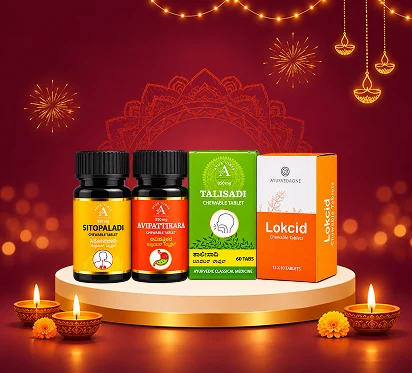
Lokcid + Sitopaladi + Talisadi + Avipattikara
In stock
Original price was: ₹880.00.₹704.00Current price is: ₹704.00.
Eeezflex MR + Strong Joint + Nurall
In stock
Original price was: ₹2,050.00.₹1,640.00Current price is: ₹1,640.00.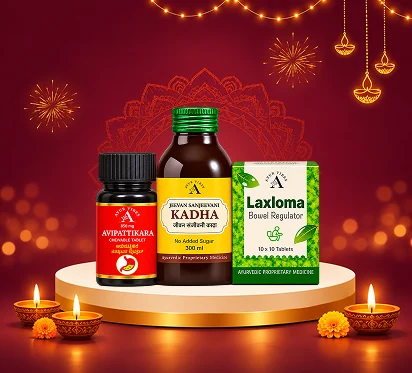
Avipattikara Tablets + Jeevan Sanjeevani Kadha + Laxloma
In stock
Original price was: ₹1,248.00.₹998.40Current price is: ₹998.40.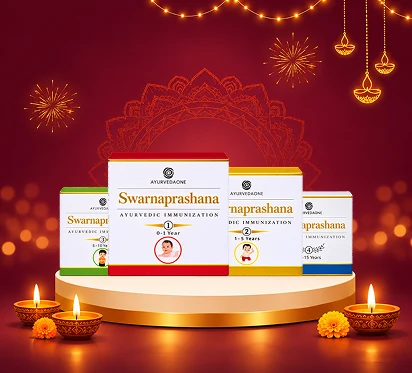
Swarnaprashana (Buy 4 and Get 20% OFF)
In stock
Original price was: ₹950.00.₹760.00Current price is: ₹760.00.






Ayurvedic Medicine for Heart Health & Wellness
Ayurvedic medicine for heart health includes traditional herbal preparations and formulations associated with cardiovascular wellness, circulation and general heart care. Common Ayurvedic ingredients include Arjuna, Guggul, Ashwagandha and Pushkaramoola. These are used in different traditional preparations, including herbal powders, tablets and Ayurvedic heart syrups.
At AyurvedaOne, you can compare Arjuna Churna, Cardorium Plus Syrup, Lipidof Combo and Normo HT Tablets.
Each formulation has different ingredients and intended uses. Ayurvedic products should be considered complementary wellness preparations, not replacements for prescribed medicines or evidence-based cardiovascular care.
What Is Ayurvedic Medicine for Heart Health?
Ayurvedic medicine for heart health refers to traditional herbal and mineral-based preparations associated with the heart and circulatory system. Ayurveda uses the term Hridaya for the heart and describes certain ingredients as Hridya, traditionally associated with heart wellness.
These formulations may be used within traditional practices concerned with general vitality, circulation and cardiovascular wellbeing.
However, traditional Ayurvedic classifications are not equivalent to modern medical diagnoses such as coronary artery disease, hypertension, arrhythmia or heart failure.
Heart health also depends on established factors, including blood pressure, cholesterol, blood sugar, smoking, physical activity, diet and family history.
Before selecting any Ayurvedic heart-care product, consider the exact ingredients, the intended purpose, your medical history and whether you take cardiovascular medicines.
Which Ayurvedic Herbs Are Traditionally Used for Heart Health?
Arjuna, Ashwagandha, Guggul and Sarpagandha are among the Ayurvedic ingredients commonly discussed in relation to cardiovascular wellness. They have different traditional purposes, scientific evidence and safety considerations.
Arjuna (Terminalia arjuna)
Arjuna is one of the best-known traditional Ayurvedic herbs associated with heart wellness.
The bark of the Arjuna tree is used in classical formulations and has been investigated in limited clinical studies involving cardiovascular conditions.
Some research suggests potential effects on selected cardiovascular measurements, but evidence remains insufficient to establish Arjuna as a replacement for standard medical treatment.
AyurvedaOne offers Arjuna Churna (90 g), a traditional single-herb powder preparation.
For additional information, read our guide to poor blood circulation and Ayurvedic wellness approaches.
Ashwagandha (Withania somnifera)
Ashwagandha is an adaptogenic herb traditionally associated with stress management, resilience and vitality.
Some research suggests that certain Ashwagandha preparations may support sleep or stress-related outcomes. However, this does not establish that Ashwagandha treats high blood pressure, coronary artery disease or other cardiovascular conditions.
Explore Ashwagandha Churna for its traditional wellness use.
Ashwagandha may interact with medication, affect thyroid function and has been associated with rare liver injury.
Guggul (Commiphora mukul)
Guggul is a traditional Ayurvedic resin used in formulations associated with lipid metabolism and general wellness.
Although Guggul has been studied for cholesterol-related effects, the results of clinical research are mixed. It should not be assumed to lower cholesterol reliably or prevent cardiovascular disease.
AyurvedaOne offers Lipidof Combo, which contains Guggulu along with other traditional ingredients.
People taking statins, blood thinners or other prescription medicines should seek professional advice before using Guggul-based products.
Sarpagandha (Rauvolfia serpentina)
Sarpagandha is traditionally used in certain Ayurvedic formulations associated with blood pressure and calming effects.
It contains pharmacologically active alkaloids, including reserpine, which can lower blood pressure but may cause serious adverse effects and medication interactions.
Normo HT Tablets include Sarpagandha among their listed ingredients.
Sarpagandha-containing formulations require qualified medical supervision. They should not be recommended for routine self-medication or used in place of prescribed blood-pressure treatment.
Other Ingredients Used in Traditional Heart Formulations
Additional ingredients found in classical or proprietary Ayurvedic cardiovascular preparations may include:
- Pushkaramoola: Traditionally associated with cardiovascular and respiratory wellness.
- Gokshura: Used in traditional urinary and general-wellness preparations.
- Vrikshamla: Associated with traditional digestive and metabolic formulations.
- Dalchini (Cinnamon): A culinary spice studied for certain metabolic effects, without established ability to treat cardiovascular disease.
- Garlic: A commonly consumed food that has been studied for blood pressure and cholesterol-related effects, although supplement outcomes vary.
- Giloy (Guduchi): Traditionally used in immunity and general-wellness preparations; it is not an established heart-disease treatment.
The presence of an ingredient in a formulation does not establish that the finished product prevents or treats heart disease.
Which Ayurvedic Syrup for Heart Health Can You Compare?
Ayurvedic syrup for heart health generally refers to liquid herbal preparations traditionally used as part of cardiovascular wellness routines. Such formulations may contain Arjuna or combinations of herbs associated with circulation, vitality and lipid-related wellness.
AyurvedaOne offers Cardorium Plus Syrup (300 ml), a proprietary Ayurvedic liquid formulation.
Its highlighted ingredients include:
- Arjuna: Traditionally associated with cardiovascular wellness.
- Pushkaramoola: Used in selected classical heart and respiratory formulations.
- Gokshura: Traditionally associated with general and urinary wellness.
- Vrikshamla: Used in traditional digestive and metabolic formulations.
Cardorium Plus is positioned for general heart, circulation and lipid-related wellness. Reliable product-specific clinical evidence has not established that it lowers cholesterol, clears arterial blockages or treats heart disease.
Customers comparing Ayurvedic heart syrups should review the full ingredient list, dosage directions, sugar content where applicable, manufacturing information and medication interactions.
What Is Arjunarishtha and How Is It Different From an Ayurvedic Heart Syrup?
Arjunarishtha, also called Arjunarishta, is a traditional fermented Ayurvedic liquid preparation containing Arjuna and other ingredients. It is commonly discussed in relation to classical heart-wellness formulations.
An arishta is not identical to an ordinary herbal syrup. Fermented preparations may contain naturally produced alcohol and have formulation-specific ingredients and usage precautions.
Cardorium Plus is a proprietary Ayurvedic syrup, while Arjunarishtha is a classical fermented preparation. They should not be treated as interchangeable.
AyurvedaOne’s verified Heart Wellness range includes Cardorium Plus Syrup, but Arjunarishtha should only be listed as a purchasable product if a corresponding product page and availability are confirmed.
People taking cardiovascular medicines, those with liver conditions and people who must avoid alcohol should obtain professional advice before using fermented Ayurvedic preparations.
What Are the Popular Ayurvedic Heart Syrups and Formulations in India?
Ayurvedic cardiovascular products sold in India include classical fermented formulations, herbal syrups, powders and tablets.
Common product types include:
- Arjunarishtha: A classical fermented preparation containing Arjuna.
- Arjuna Churna: A powdered single-herb preparation.
- Proprietary heart syrups: Multi-herb formulations such as Cardorium Plus.
- Cholesterol-focused preparations: Products such as Lipidof Combo.
- Blood-pressure-focused formulations: Products such as Normo HT, which require particularly careful medical supervision.
Different Ayurvedic manufacturers, including Kerala Ayurveda and Baidyanath, offer traditional cardiovascular preparations. Formulations sold under similar product categories may still differ in composition and safety.
At AyurvedaOne, customers can compare the available Heart Wellness collection and review individual product details before buying.
No Ayurvedic heart syrup should be presented as a clinically proven way to prevent heart attacks or treat blocked arteries without adequate product-specific evidence.
Which Ayurvedic Medicine for Heart Health Products Are Available at AyurvedaOne?
AyurvedaOne offers multiple formulations in its Heart Wellness category. The products differ in ingredients, formats and intended wellness focus.
| Product | Formulation and ingredients | Traditional or marketed focus | Shop |
|---|---|---|---|
| Arjuna Churna | 90 g powder containing Arjuna bark | Traditional heart and cardiovascular wellness | Buy Now |
| Cardorium Plus Syrup | 300 ml liquid; Arjuna, Pushkaramoola, Gokshura and Vrikshamla | Traditional heart and circulation wellness | Buy Now |
| Lipidof Combo | Multi-ingredient formulation containing Guggulu, Haritaki, Ativisha and Vibhitaki | Traditional cholesterol and lipid-related wellness | Buy Now |
| Normo HT Tablet | 10 tablets; includes Arjuna, Muktashukti Bhasma, Sarpagandha and Tagara | Traditional blood-pressure-focused formulation requiring professional supervision | Buy Now |
Important: Buy Now links open the corresponding product pages to review current price, availability and instructions. These products are not substitutes for prescription cardiovascular treatments.
What Is the Best Ayurvedic Medicine for Heart Health?
There is no single best Ayurvedic medicine for heart health because customers may be looking for general wellness, healthy cholesterol levels, blood-pressure management, better circulation or support alongside existing cardiac care.
The appropriate response depends on the underlying goal:
- General heart wellness: Arjuna is a prominent traditional ingredient, and Arjuna Churna is a single-herb product option.
- Ayurvedic heart syrup: Cardorium Plus is a liquid formulation positioned for traditional cardiovascular wellness.
- High cholesterol: Lipidof Combo is a product marketed for lipid-related wellness, but it is not a substitute for statins or other clinically indicated treatment.
- High blood pressure: Normo HT is positioned for blood-pressure-related use, but the presence of Sarpagandha makes professional supervision especially important.
- Existing heart disease: Consult a cardiologist before considering complementary herbal products.
The best approach is to identify the goal, review the actual formulation and consider medical history, prescribed medicines and available evidence.
How Can Ayurvedic Medicine for a Healthy Heart Complement Daily Wellness?
Ayurvedic medicine for a healthy heart is most appropriately considered alongside proven cardiovascular prevention practices rather than as a standalone treatment.
Heart-healthy habits include balanced nutrition, regular physical activity, avoiding tobacco, appropriate sleep and controlling blood pressure, cholesterol and diabetes.
Ayurveda traditionally also emphasises balanced routines, stress management and mindful eating.
A practical approach can include:
- Eating more vegetables, fruits, pulses, whole grains and other fibre-rich foods.
- Limiting excessive sodium, saturated fat and trans fat.
- Maintaining physical activity suited to your age and health status.
- Avoiding smoking and tobacco exposure.
- Monitoring blood pressure, cholesterol and blood sugar as recommended.
- Getting sufficient sleep and managing stress.
- Taking prescribed medicines consistently when needed.
For related nutritional products, visit General Wellness.
Heart-healthy lifestyle measures have substantially stronger evidence for cardiovascular risk reduction than relying on herbal supplements alone.
Which Ayurvedic Lifestyle Practices Are Commonly Discussed for Heart Wellness?
Traditional Ayurvedic wellness discussions often include breathing exercises, diet and mind-body balance.
Pranayama and Breathing Practices
Pranayama refers to traditional breathing exercises, including practices such as Nadi Shodhana, or alternate-nostril breathing.
Gentle breathing techniques may help some people relax or manage stress, but they should not be considered treatments for coronary artery disease, arrhythmias or high blood pressure.
Avoid forceful breathing or prolonged breath-holding, particularly if you have a cardiovascular or respiratory condition, unless a qualified clinician has advised that the practice is appropriate.
Ahara: A Heart-Healthy Diet
Ayurveda places importance on Ahara, or diet, as part of daily wellbeing.
A modern heart-healthy dietary approach generally includes:
- Vegetables, fruits and whole grains.
- Pulses, beans and other fibre-rich foods.
- Moderate amounts of unsaturated fats.
- Reduced sodium intake.
- Limited saturated and trans fats.
- Fewer highly processed foods and sugar-sweetened drinks.
Garlic, ginger and turmeric may be used in cooking as part of a balanced diet, but concentrated supplements have additional safety considerations.
Mind-Body Balance and Stress Management
Mind-body practices, including meditation, gentle yoga, relaxation and regular sleep, may help manage stress.
Ayurvedic concepts such as Shoka (grief) and Chinta (worry) are traditionally discussed in relation to emotional wellbeing.
Stress-management practices may complement medical care, but they should not replace prescribed treatment or monitoring for cardiovascular conditions.
For additional general wellness information, browse the General Wellness collection.
Can Ayurvedic Medicine Help With High Blood Pressure?
Certain Ayurvedic ingredients have traditional uses relating to blood-pressure management, but their safety and effectiveness vary considerably.
High blood pressure often has no noticeable symptoms. It is diagnosed through blood-pressure measurements rather than how a person feels.
AyurvedaOne lists Normo HT Tablets, a formulation containing ingredients including Sarpagandha.
Because Sarpagandha contains pharmacologically active compounds, it may produce significant effects and interactions. Its use requires qualified professional supervision.
People with hypertension should continue their prescribed treatment and home or clinical monitoring as advised.
Read Ayurvedic Treatment for High Blood Pressure for additional educational information.
Can Ayurvedic Medicine Help With High Cholesterol?
Guggul and Arjuna are commonly discussed in traditional Ayurvedic cholesterol-related formulations. However, clinical evidence does not establish that these products reliably replace statins or prevent cardiovascular events.
AyurvedaOne offers Lipidof Combo, a product positioned for traditional lipid-related wellness.
Cardorium Plus also includes ingredients associated with traditional metabolic wellness.
People with high cholesterol should base treatment decisions on their lipid results and cardiovascular risk, alongside clinician-recommended dietary, lifestyle and medical care.
Learn more through our guide to Ayurvedic Medicine for Cholesterol.
Do not discontinue or reduce prescribed statins because you start a herbal product. Any medication change requires an individual clinical assessment.
Can Ayurvedic Medicine Improve Blood Circulation?
Certain Ayurvedic herbs, including Arjuna, are traditionally associated with cardiovascular and circulatory wellness. However, symptoms attributed to poor circulation can have many medical causes.
Cold extremities, leg pain during walking, numbness, swelling or slow-healing wounds may require evaluation for vascular disease, diabetes or other conditions.
Arjuna Churna is a traditional heart-focused herbal preparation, but it should not be promoted as a proven treatment for blocked arteries.
Read Poor Blood Circulation Symptoms and Ayurvedic Ways to Support Healthy Circulation for more information.
Sudden limb pain, a cold or pale limb, chest pain, or sudden weakness on one side of the body requires urgent medical assessment.
Can Ayurvedic Medicine Help With Heart Palpitations?
Ayurvedic medicine should not be used to self-treat unexplained heart palpitations. A fast, pounding or irregular heartbeat may be associated with stress, caffeine, sleep loss, medication effects or a heart-rhythm disorder.
Palpitations that recur, persist or worsen should be medically assessed.
Seek emergency care when palpitations occur with chest pain, breathlessness, fainting or severe dizziness.
Do not choose Sarpagandha, Arjuna or another cardiac formulation solely because you experience a fast heartbeat.
Can Ayurvedic Medicine Be Used for Heart Failure or Blocked Arteries?
Heart failure and coronary artery blockages are serious medical conditions that require appropriate diagnosis and evidence-based treatment.
Arjuna has been investigated as a possible complementary ingredient in some cardiovascular studies, but existing evidence does not establish that Ayurvedic formulations reverse blocked arteries or replace heart-failure treatment.
People with diagnosed heart disease may need prescribed medicines, monitoring, cardiac rehabilitation, procedures or other specialist care.
Any proposed herbal supplement should be reviewed with the treating cardiologist, particularly when blood thinners, blood-pressure medicines or multiple cardiac drugs are involved.
Ayurvedic products should not delay treatment for symptoms suggestive of a heart attack, heart failure or arrhythmia.
How Do Age and Current Medicines Affect Ayurvedic Heart Syrup Selection?
Age, existing medical conditions and prescription medicines can significantly affect the safety of Ayurvedic heart formulations.
Adults Under 40
Younger adults interested in general cardiovascular prevention should prioritise blood-pressure checks, healthy nutrition, physical activity and avoiding tobacco.
Herbal products are not necessary for everyone and should not be used without reviewing their ingredients and risks.
Adults Aged 40–59
Cardiovascular risk can increase with age, particularly in the presence of high blood pressure, diabetes, elevated cholesterol or a family history of heart disease.
Individuals in this age group should review their measured cardiovascular risk and medical history before using heart-related herbal products.
Adults Aged 60 and Above
Older adults may take several medicines and may be more vulnerable to certain medication interactions, falls caused by low blood pressure and other adverse effects.
Professional review is especially important before beginning new cardiac herbal preparations.
People Taking Heart or Blood-Pressure Medicines
If you take prescription heart, blood-pressure, cholesterol or blood-thinning medicines, do not start Ayurvedic cardiac products without checking their ingredients with your clinician or pharmacist.
Interactions may involve blood-pressure changes, heart rhythm, bleeding risk, sedation or other effects.
The safety of a heart syrup cannot be established simply by knowing the person’s age or primary wellness goal.
How Should Ayurvedic Heart Syrups Be Taken Safely?
Ayurvedic heart syrups should be used according to their specific product labels and guidance from an appropriately qualified healthcare professional.
Different liquid formulations may contain different active ingredients, concentrations and excipients.
Before use:
- Confirm the exact product and its ingredients.
- Read the manufacturer’s usage directions.
- Disclose all prescription medicines and supplements to your clinician.
- Check for relevant medical conditions and possible interactions.
- Follow the product-specific instructions without increasing the recommended quantity.
- Monitor for adverse effects and seek medical advice if they occur.
Do not copy a generic online dosage such as 10–15 ml two or three times daily for every cardiac syrup.
Cardorium Plus and Arjunarishtha have different formulations and should not be assigned identical doses.
Why Choose AyurvedaOne for Ayurvedic Heart Wellness Products?
AyurvedaOne brings together traditional Ayurvedic heart-wellness products in different preparation formats, allowing customers to compare their ingredients, intended uses and precautions.
The Heart Wellness collection includes:
- Arjuna Churna for traditional single-herb heart wellness.
- Cardorium Plus Syrup for traditional liquid-format cardiovascular wellness.
- Lipidof Combo for lipid-focused product comparison.
- Normo HT Tablets for blood-pressure-focused formulations requiring professional supervision.
Customers can also review educational content on cholesterol, high blood pressure and circulation.
For personalised professional assessment, visit the AyurvedaOne consultation page.
What Important Safety Precautions Should You Follow?
Ayurvedic heart products can contain pharmacologically active herbs, and their safety depends on the ingredients, dose, manufacturing quality and individual medical history.
Important precautions include:
- Do not replace prescribed medicines: Continue heart, blood-pressure, cholesterol and blood-thinning medicines unless the prescriber changes the treatment.
- Review herbal interactions: Ingredients such as Sarpagandha, Guggul, Arjuna and Ashwagandha may interact with medications or require special precautions.
- Check medical conditions: Heart disease, kidney disease, liver disease, thyroid disorders and diabetes can affect supplement suitability.
- Avoid unsupervised combinations: Multiple heart-related herbal products should not be combined without qualified professional guidance.
- Use caution in pregnancy and breastfeeding: Avoid starting herbal cardiac formulations without medical advice.
- Review older-adult medication use: People taking several prescriptions have an increased need for interaction assessment.
- Do not assume natural means safe: Herbal products may have adverse effects, variable concentrations or contamination risks.
- Do not use herbal products for emergencies: Chest pain, severe breathlessness, fainting and sudden neurological symptoms require urgent medical assessment.
Seek emergency care immediately for possible heart attack or stroke symptoms. In India, call 112 for emergency assistance.
Important Medical Disclaimer
The information on this page is intended for general education and product comparison. References to the traditional uses of Ayurvedic herbs or formulations do not establish that any product diagnoses, treats, cures or prevents cardiovascular disease.
Ayurvedic medicines and herbal supplements should not replace evidence-based medical assessment, prescribed treatments or recommended cardiovascular monitoring.
Scientific evidence supporting specific Ayurvedic products varies, and the effectiveness and safety of many formulations remain uncertain.
Consult an appropriately qualified healthcare professional before using heart-related Ayurvedic products, especially if you have hypertension, high cholesterol, coronary artery disease, heart failure, an arrhythmia, or take prescription medicines.
Do not discontinue or alter prescribed treatment without advice from the clinician managing your condition.
Seek urgent medical care for chest pain, sudden breathlessness, fainting, severe palpitations, sudden weakness or other symptoms suggestive of a cardiovascular emergency.
Frequently Asked Questions
Why Buy Ayurvedic Products Online from AyurvedaOne
AyurvedaOne is your trusted destination for authentic ayurvedic products online — curated from GMP-certified manufacturers, verified for quality, and delivered fast across India. Whether you are looking for a classical formulation from a traditional text or a modern proprietary Ayurvedic supplement, our range covers every health need in one place.
- 100% authentic formulations from GMP-certified Ayurvedic manufacturers
- Wide range of classical and proprietary medicines under one roof
- Fast, secure delivery across India — no minimum order
- Expert-curated selection — every product verified for safety and efficacy
Source & Reference:
| Source / Organization | Information Referenced | Link |
| CDC | Heart-disease risk factors including high blood pressure, high cholesterol, smoking, diabetes and lifestyle factors | CDC – Heart Disease Risk Factors |
| CDC | Heart-disease prevention through food choices, physical activity and management of medical conditions | CDC – Preventing Heart Disease |
| NHLBI, NIH | Heart-failure treatment and the role of guideline-based medical care | NHLBI – Heart Failure Treatment |
| NHLBI, NIH | Common heart-failure symptoms and when worsening symptoms require assessment | NHLBI – Heart Failure Symptoms |
| NHS | Palpitations, common causes, recurring symptoms and urgent warning signs | NHS – Heart Palpitations |
| NCCIH, NIH | Ayurvedic medicine safety and limitations of available evidence | NCCIH – Ayurvedic Medicine: In Depth |
| NCCIH, NIH | Potential herb-drug interactions and importance of medicine/supplement disclosure | NCCIH – Herb-Drug Interactions |
| PubMed | Review of Terminalia arjuna cardiovascular research and evidence limitations | Terminalia arjuna in cardiovascular diseases |
| PubMed | 2026 systematic review/meta-analysis of Terminalia arjuna as an adjunct in adults with heart failure | Arjuna in Heart Failure – Systematic Review |