


















Ayurvedic Medicine for Constipation & Gut Health
Ayurvedic medicine for constipation includes traditional herbal formulations such as Triphala Churna, Hareetaki Churna, Sonamukhi Churna and Ayurvedic tablets for bowel support. These preparations are traditionally used for digestive wellness, irregular bowel movements and concerns associated with hard or difficult-to-pass stools.
At AyurvedaOne, you can compare Ayurvedic tablets for constipation, herbal churnas, kashayams and related gut-health products based on their ingredients, preparation formats and intended uses. Explore the collection to understand the differences between traditional formulations and choose suitable options with qualified professional guidance.
What Is Ayurvedic Medicine for Constipation and How Does It Work?
Ayurvedic medicine for constipation refers to traditional formulations used to support digestion and bowel regularity. In Ayurveda, constipation is commonly discussed as Vibandha and is traditionally associated with an imbalance in Vata dosha.
Ayurvedic preparations may contain herbs such as Haritaki, Amalaki, Bibhitaki and Sonamukhi. Their potential effects differ: some are traditionally associated with bowel regularity, while senna-containing products act as stimulant laxatives.
From a medical perspective, constipation may involve:
- Fewer than three bowel movements per week.
- Hard, dry or lumpy stools.
- Difficulty or pain when passing stools.
- Straining during bowel movements.
- A feeling of incomplete bowel emptying.
Constipation may result from inadequate dietary fibre, low fluid intake, certain medicines, changes in routine or underlying medical conditions.
Traditional Ayurvedic formulations do not treat every cause of constipation. Persistent or recurring symptoms require appropriate medical evaluation.
For related digestive concerns, browse the Digestive Health collection.
Which Ayurvedic Herbs and Formulations Are Commonly Used for Constipation?
Common Ayurvedic formulations for constipation include Triphala, Haritaki-based products and Sonamukhi preparations. Psyllium husk, commonly called Isabgol, is another widely used fibre supplement that can help with certain forms of constipation.
Triphala for Traditional Bowel Regularity
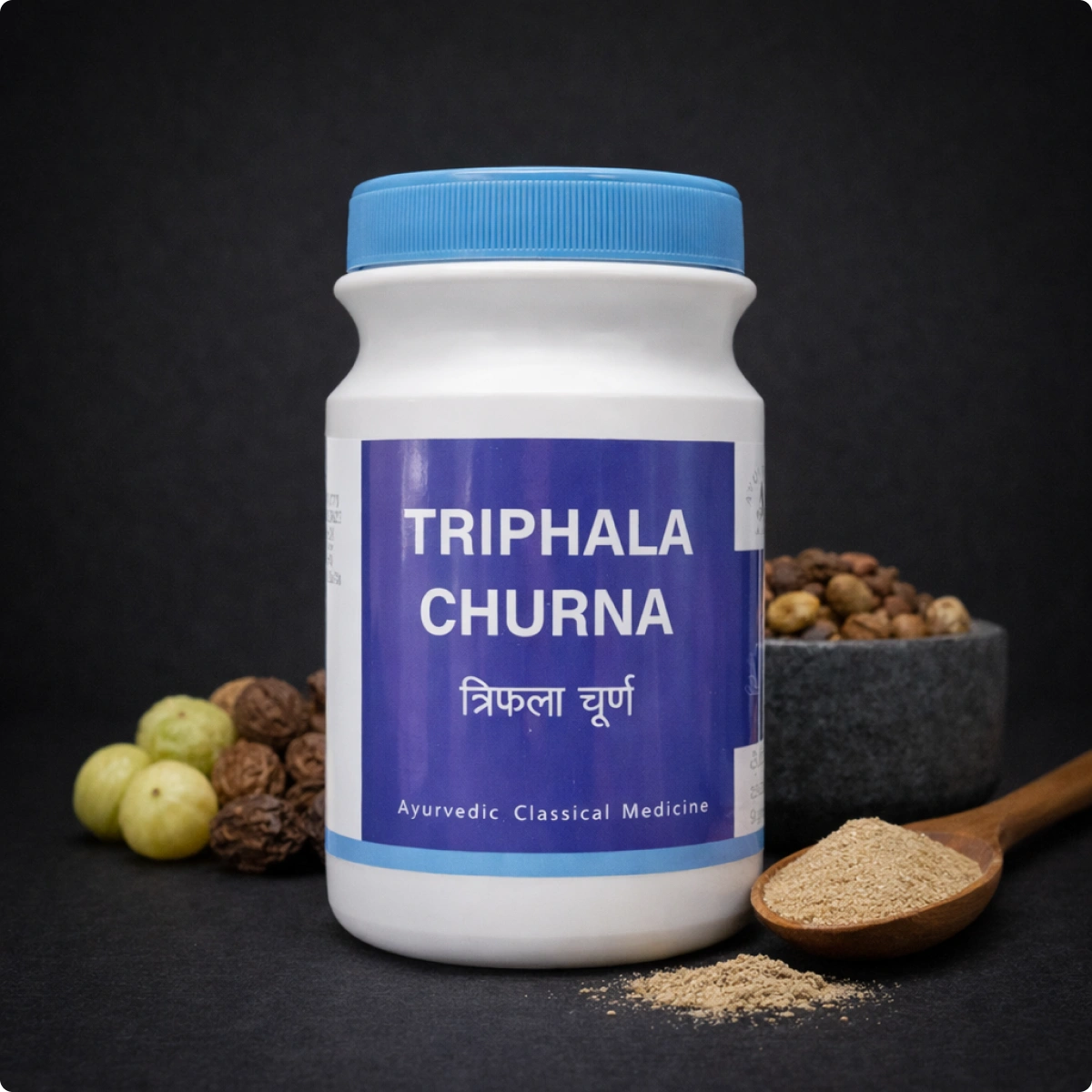
Triphala combines three fruits: Amalaki (Amla), Bibhitaki (Baheda) and Haritaki (Harad).
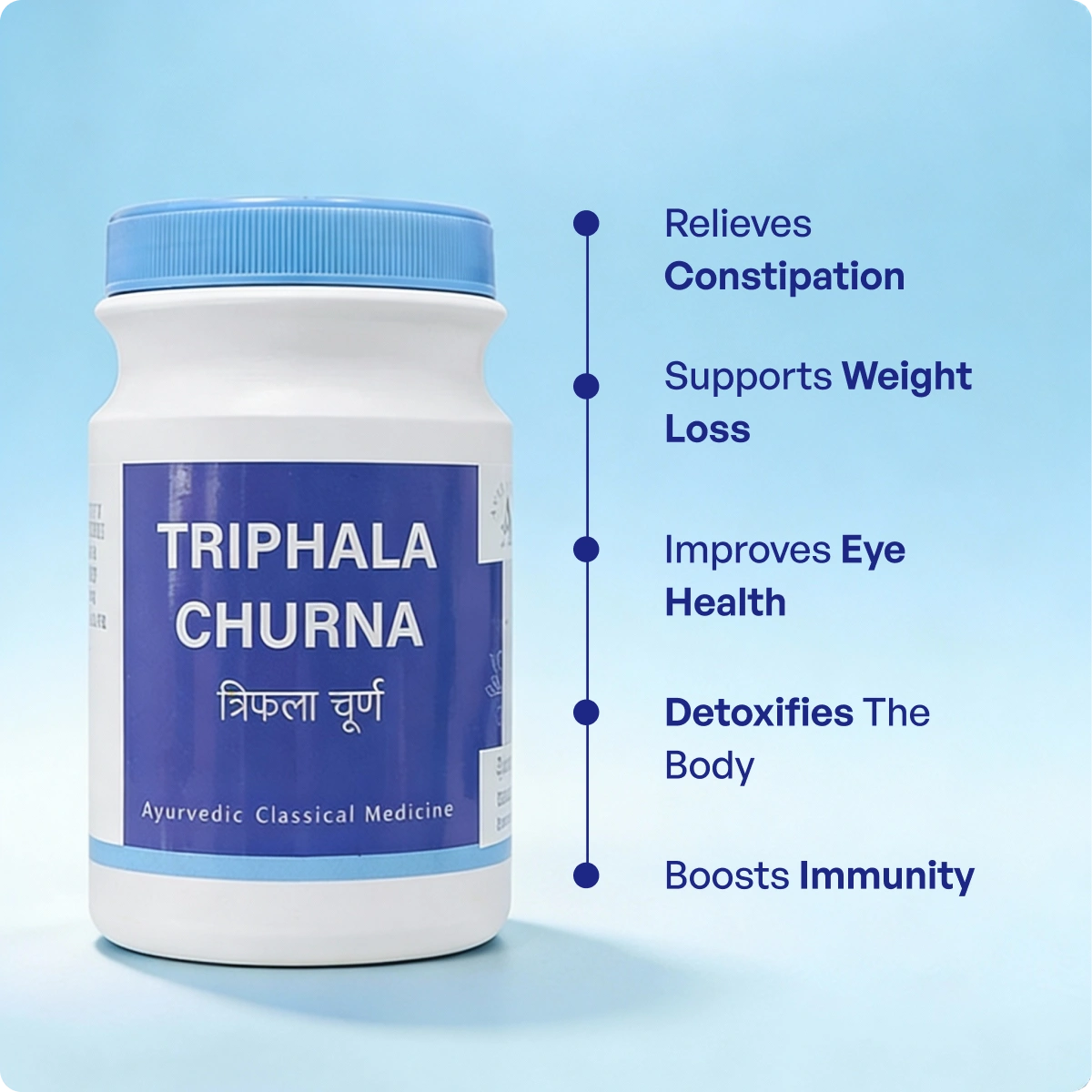
It is traditionally used in Ayurveda for digestive wellness and regular bowel movements. Some preparations may produce laxative effects, although clinical evidence for treating constipation with specific Triphala products remains limited.
AyurvedaOne offers Triphala Churna (90 g).
To learn about the three-fruit combination, read Triphala Benefits for Digestion and Gut Health.
Isabgol (Psyllium Husk) for Hard Stools
Isabgol is a soluble fibre that absorbs water and forms a gel-like substance. When taken with enough fluid, psyllium can help improve stool consistency and make bowel movements easier for some people.
Unlike many traditional herbal preparations, psyllium has established evidence for use in constipation management.
Psyllium products must be taken with adequate fluid and used according to their labels. People with swallowing difficulties or suspected bowel obstruction should seek medical advice before use.
Hareetaki for Traditional Digestive Support
Hareetaki, also called Haritaki, is the fruit of Terminalia chebula. It is traditionally used in Ayurvedic preparations associated with bowel regularity and digestive comfort.
AyurvedaOne offers Hareetaki Churna (90 g).
Its traditional use does not guarantee effectiveness or suitability for everyone.
Sonamukhi for Targeted Constipation Support
Sonamukhi, or Cassia angustifolia, contains compounds associated with senna’s stimulant-laxative effects.
Unlike a general digestive-wellness supplement, senna is used to stimulate bowel movements and can cause cramping or diarrhoea.
Sonamukhi Churna is available within AyurvedaOne’s product range.
Repeated use of stimulant laxatives should be discussed with a healthcare professional. Sonamukhi should not automatically be treated as suitable for indefinite daily use.
Which Ayurvedic Tablets for Constipation Are Available at AyurvedaOne?
Ayurvedic tablets for constipation are traditional formulations containing herbal ingredients associated with bowel movements and digestive support. They provide a convenient preparation format for customers who prefer tablets over herbal powders.
AyurvedaOne offers the following products:
- Laxloma Tablet: A 10-tablet formulation containing ingredients including Sonamukhi, Bala Hareetaki and Shunthi.
- Laxcef Tabs: A 10-tablet herbal preparation positioned for constipation and digestive support.
These products have different compositions and should not be considered interchangeable without reviewing their labels.
Before choosing Ayurvedic constipation tablets, consider the duration of symptoms, whether stools are hard or dry, whether there is abdominal pain, and whether you already use medicines.
Some herbal constipation tablets contain stimulant-laxative ingredients. They may be unsuitable for long-term unsupervised use.
Which Ayurvedic Churna for Constipation Should You Consider?
Ayurvedic churna for constipation is a powdered formulation containing one or more traditional herbal ingredients. Common options include Triphala Churna, Hareetaki Churna and Sonamukhi Churna.
The main difference is their composition and intended use.
- Triphala Churna: A traditional three-fruit formulation used for digestive and bowel wellness.
- Hareetaki Churna: A single-herb preparation associated with traditional bowel support.
- Sonamukhi Churna: A senna-containing stimulant-laxative preparation requiring greater caution.
Choosing a churna should depend on the ingredients, symptom pattern, medical history and intended duration of use.
A stronger laxative is not necessarily a better option. For recurring constipation, identifying the underlying cause is more important than increasing the strength or frequency of herbal remedies.
Read our Ayurvedic Remedies for Constipation guide for additional traditional practices and everyday digestive-health information.
Is Ayurvedic Syrup for Constipation Available?
Ayurvedic syrup for constipation refers to a liquid herbal formulation specifically intended for bowel-movement support. Liquid products can be convenient for people who prefer measured preparations, but not every digestive syrup treats constipation.
AyurvedaOne offers Flatula O Syrup, a liquid formulation marketed for gas, bloating and digestive discomfort. It should not be presented as a constipation treatment without evidence supporting that indication.
For traditional liquid preparations associated with bowel and digestive wellness, customers may compare Gandharvahastadi Kashayam.
Gandharvahastadi Kashayam is a traditional herbal decoction, not a conventional sweetened syrup.
When searching for Ayurvedic syrup for constipation, verify the actual labelled indication, ingredients and directions rather than assuming all digestive liquids have laxative effects.
What Is the Best Ayurvedic Medicine for Gut Health?
The best Ayurvedic medicine for gut health depends on the main digestive concern. Someone experiencing constipation may need a different approach from someone experiencing diarrhoea, bloating or recurring abdominal discomfort.
Gut health involves normal bowel function, digestive comfort, appropriate nutrition and healthy bowel habits.
Traditional product options include:
- Triphala Churna for traditional digestive and bowel wellness.
- Hareetaki Churna for traditional bowel support.
- Gandharvahastadi Kashayam for traditional digestive and bowel-related applications.
- Flatula O Syrup for its marketed gas and bloating focus.
Not all gut-health products are constipation medicines. Compare the actual purpose and composition before choosing a formulation.
For a broader range of digestion-focused products, visit AyurvedaOne Digestive Health.
Which Ayurvedic Products Can You Compare for Constipation and Gut Health?
AyurvedaOne offers traditional constipation-related products in churna, tablet and kashayam formats. The table below compares relevant products according to their ingredients, preparation type and intended focus.
| Product | Formulation / ingredients | Traditional or marketed focus | Shop |
|---|---|---|---|
| Triphala Churna | 90 g powder; Amalaki, Bibhitaki, Haritaki | Traditional bowel regularity and digestive wellness | Buy Now |
| Hareetaki Churna | 90 g powder; Terminalia chebula | Traditional digestive and bowel support | Buy Now |
| Sonamukhi Churna | 90 g powder; senna | Stimulant-laxative constipation support | Buy Now |
| Laxloma Tablet | 10 tablets; includes Sonamukhi, Bala Hareetaki and Shunthi | Tablet-format constipation support | Buy Now |
| Laxcef Tabs | 10 tablets; herbal bowel-support formulation | Constipation-focused digestive support | Buy Now |
| Gandharvahastadi Kashayam | 200 ml; traditional herbal decoction | Traditional bowel and digestive wellness | Buy Now |
Important: Buy Now links open the respective product pages for current pricing, availability, directions and purchase options. These products are not equally suitable for every type of constipation, and listed traditional uses should not be interpreted as guaranteed treatment results.
How Does the Duration of Constipation Affect Your Next Steps?
The duration of constipation is an important consideration because a short-lived change in bowel habits may need a different approach from persistent or recurring symptoms.
Constipation for 1–2 Days
An occasional change in bowel habits can occur after travel, changes in diet, low fluid intake or disruptions to routine.
Review recent changes in food, hydration, activity and medicines. If symptoms are mild and no warning signs are present, dietary adjustments and regular bowel habits may help.
Constipation for 2–7 Days
Several days of constipation, particularly with hard stools or straining, may require closer attention.
Review fibre intake, hydration, medication changes and whether stools can be passed comfortably. Seek advice from a pharmacist or healthcare professional about appropriate short-term management.
Do not repeatedly take herbal stimulant laxatives without understanding the cause.
Constipation for More Than One Week
Constipation lasting more than a week, particularly when new, worsening or not improving with self-care, warrants medical assessment.
The appropriate treatment depends on symptoms, medical history, medicines and other possible contributing factors.
Chronic or Recurring Constipation
Repeated constipation may be associated with dietary factors, medications, functional bowel disorders or underlying medical conditions.
A healthcare professional may assess bowel habits, medications, symptoms and the need for further investigations.
Long-term management should focus on the cause rather than relying exclusively on laxative products.
Does the Type of Stool or Bowel Difficulty Matter?
Yes. Constipation can present in several ways, and these differences can help a healthcare professional identify appropriate management.
Hard or Dry Stools
Hard, dry stools can occur when stool remains in the colon and too much water is absorbed.
Adequate fluid intake and appropriate fibre may help, but persistent symptoms require assessment. Triphala Churna is a traditional product sometimes considered for bowel wellness; its effectiveness is not established for every cause of hard stools.
No Bowel Movement for Several Days
Having no bowel movement for several days may require prompt professional advice, especially when associated with discomfort or a sudden change from the person’s usual pattern.
Severe abdominal pain, vomiting, pronounced swelling or inability to pass gas requires urgent medical care.
Do not use strong laxatives if bowel obstruction is suspected.
Straining or Incomplete Bowel Emptying
Straining or a feeling that stool remains after bowel movements may indicate constipation, but the cause can differ from simply having dry stools.
Persistent symptoms may require evaluation for pelvic-floor or other bowel-function problems.
Constipation With Gas and Bloating
Constipation can occur alongside gas and abdominal bloating.
However, bloating is not always caused by constipation, and a gas-focused digestive product is not necessarily a laxative.
For related information, read Ayurvedic Remedies for Bloating and Gas or browse the Digestive Health collection.
How Do Age and Medical Conditions Affect Constipation Care?
Age, existing medical conditions, pregnancy and medication use can affect which constipation treatments are appropriate.
- Children and teenagers: Do not use adult Ayurvedic constipation formulations without guidance from a qualified paediatric healthcare professional.
- Adults aged 18–59: Consider symptom duration, stool consistency, diet, medicines and any underlying health conditions.
- Adults aged 60 or older: Constipation may be influenced by medicines, reduced mobility, dehydration or other health conditions. Professional guidance is particularly important for new or recurring symptoms.
- Pregnancy and breastfeeding: Avoid self-prescribing herbal laxatives, castor oil or stimulant preparations. Seek obstetric or medical advice.
- People taking medicines: Certain medicines and supplements, including some iron products, calcium supplements and pain medicines, may contribute to constipation.
- People with chronic conditions: Diabetes, thyroid disorders and certain neurological or bowel conditions may require individualised management.
The appropriate approach depends on more than age or one symptom. Do not combine Ayurvedic laxative formulations without reviewing their ingredients and potential interactions.
What Natural and Ayurvedic Practices May Help Support Bowel Regularity?
Dietary fibre, hydration, physical activity and regular toilet habits can support normal bowel function. Ayurveda also describes several traditional practices for digestive wellness, although evidence for individual home remedies varies.
Warm Water in the Morning
Drinking water contributes to adequate hydration. Some people prefer warm water in the morning as part of a regular routine.
However, warm water alone is not a proven treatment for chronic constipation, and adding lemon does not make it a medically established laxative.
Warm Water With Ghee
Warm water or milk with ghee is mentioned in traditional home-remedy practices.
Evidence that ghee specifically lubricates the intestines or reliably treats constipation is insufficient. It should not replace evidence-based management.
People with dietary restrictions or conditions requiring fat-intake management should consider their individual needs.
Soaked Raisins or Figs
Raisins and figs provide dietary fibre and may contribute to regular bowel habits as part of a balanced diet.
Soaking them may make them easier to eat, but there is insufficient evidence that soaking itself provides a special constipation-curing effect.
Fibre-Rich Foods
Vegetables, fruits, pulses, whole grains and suitable fibre supplements can help improve bowel regularity.
Increase fibre gradually and maintain sufficient fluid intake, as sudden increases can worsen bloating.
Regular Movement and Toilet Habits
Regular physical activity may support bowel function. It can also help to establish a comfortable toilet routine and avoid repeatedly ignoring the urge to pass stool.
If symptoms persist, seek medical advice rather than depending solely on home remedies.
Read our 5 Ayurvedic Remedies for Constipation article for more traditional practices and important precautions.
What Should You Avoid When Experiencing Constipation?
Managing constipation involves avoiding habits or treatments that may worsen the problem.
Consider the following precautions:
- Avoid delaying bowel movements repeatedly.
- Avoid sudden large increases in fibre without adequate fluid.
- Do not repeatedly use stimulant laxatives without professional advice.
- Avoid taking several herbal constipation products together.
- Review medications and supplements that may contribute to bowel changes.
- Do not assume every episode of abdominal bloating is due to constipation.
- Avoid using castor oil or strong herbal laxatives without guidance, particularly during pregnancy.
Castor oil is a potent stimulant laxative and may cause cramping, diarrhoea and dehydration. It should not be promoted as a routine bedtime home remedy.
When Should Constipation Require Medical Attention?
Constipation needs medical assessment when symptoms persist despite self-care, recur frequently or are accompanied by warning signs.
Seek urgent care for:
- Severe or constant abdominal pain.
- Vomiting with abdominal swelling.
- Inability to pass gas, especially with significant abdominal pain.
- Blood in the stool or rectal bleeding.
- Black stools.
- Unexplained weight loss with bowel changes.
- Fever or marked illness accompanying constipation.
People with chronic gastrointestinal conditions, recent abdominal surgery or major changes in bowel patterns should obtain appropriate medical advice before taking laxatives or herbal preparations.
For more information, review the NIDDK guide to constipation symptoms and causes.
Why Choose AyurvedaOne for Ayurvedic Constipation and Gut Health Products?
AyurvedaOne offers traditional digestive and bowel-wellness formulations in different preparation formats, helping customers compare ingredients, product information and intended uses.
The collection includes Triphala Churna, Hareetaki Churna, Sonamukhi Churna, Laxloma Tablets and other traditional formulations.
For broader digestive concerns, explore the Digestive Health category or read our guide to Triphala and Digestive Wellness.
Review the product details and safety information carefully before purchasing.
Important Safety Information and Medical Disclaimer
The information on this page is for general educational and product-comparison purposes. Traditional Ayurvedic descriptions do not establish that any product can diagnose, treat, cure or prevent a medical condition.
Constipation can result from several causes, including dietary habits, medications, gastrointestinal disorders and other medical conditions. Ayurvedic formulations should not replace appropriate clinical assessment or recommended medical treatment.
Some products contain stimulant-laxative herbs and may cause abdominal cramping, diarrhoea, dehydration or electrolyte disturbances. Herbal products may also interact with medicines.
Always follow product-specific instructions and consult an appropriately qualified healthcare professional before use, particularly for children, older adults, pregnant or breastfeeding individuals, people with chronic illness and those taking regular medication.
Do not exceed labelled doses or combine multiple constipation preparations without professional advice.
Seek urgent medical care for severe abdominal pain, persistent vomiting, blood in stools, significant abdominal swelling or inability to pass gas.
Frequently Asked Questions
Why Buy Ayurvedic Products Online from AyurvedaOne
AyurvedaOne is your trusted destination for authentic ayurvedic products online — curated from GMP-certified manufacturers, verified for quality, and delivered fast across India. Whether you are looking for a classical formulation from a traditional text or a modern proprietary Ayurvedic supplement, our range covers every health need in one place.
- 100% authentic formulations from GMP-certified Ayurvedic manufacturers
- Wide range of classical and proprietary medicines under one roof
- Fast, secure delivery across India — no minimum order
- Expert-curated selection — every product verified for safety and efficacy
Source & Reference
| Source / Organization | Information Used | Link |
| NIDDK, NIH | Definition, symptoms, causes and red flags for constipation | https://www.niddk.nih.gov/health-information/digestive-diseases/constipation/symptoms-causes |
| NIDDK, NIH | Constipation treatment, fibre, fluids, activity and cautious use of stimulant laxatives | https://www.niddk.nih.gov/health-information/digestive-diseases/constipation/treatment |
| NIDDK, NIH | Dietary fibre and fluid guidance for constipation | https://www.niddk.nih.gov/health-information/digestive-diseases/constipation/eating-diet-nutrition |
| NCCIH, NIH | Ayurveda evidence limitations, safety considerations and recommendation not to delay conventional care | https://www.nccih.nih.gov/health/ayurvedic-medicine-in-depth |
| PubMed / Journal of Ayurveda and Integrative Medicine | Small open-label study of a polyherbal constipation formula containing isabgol, senna and Triphala; used only as limited background evidence, not proof for Triphala alone | https://pubmed.ncbi.nlm.nih.gov/22022157/ |