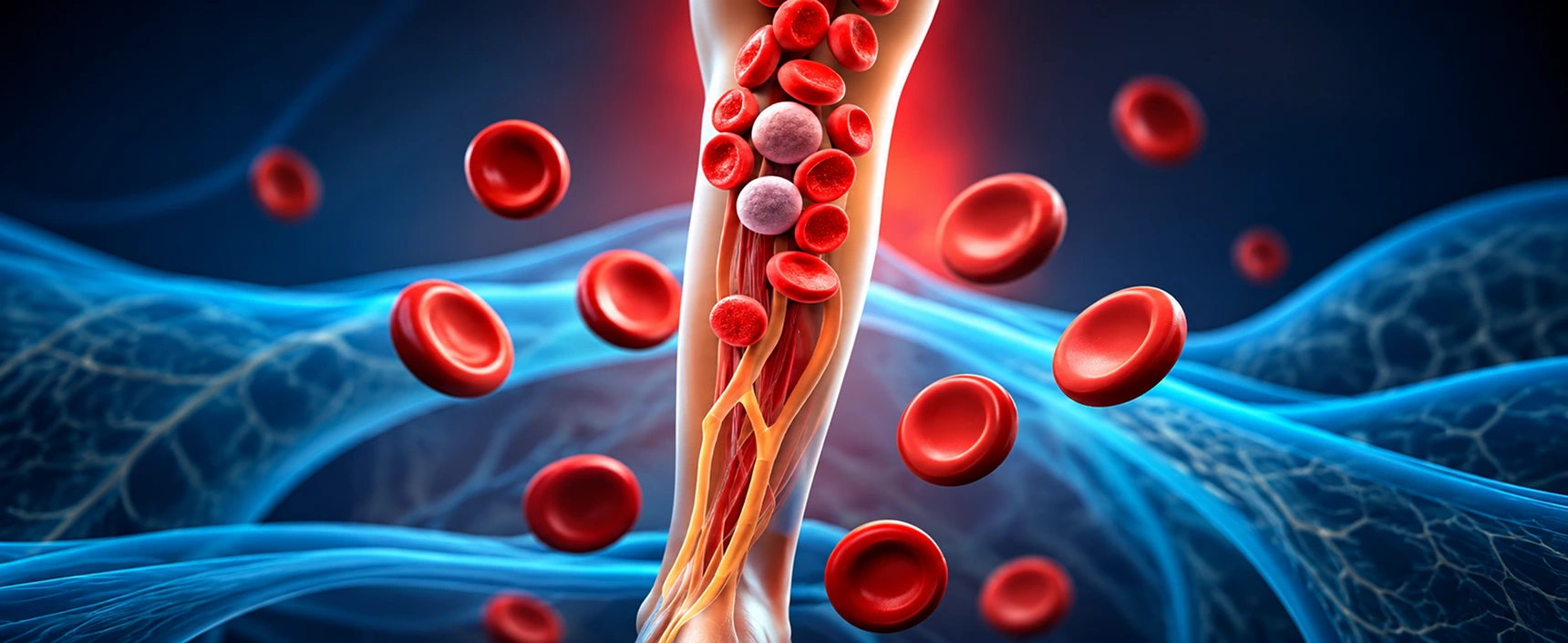
Cold hands and feet even in warm weather, numbness or tingling, legs that feel heavy or tired quickly, slow-healing cuts, or skin that looks pale or bluish — these are all classic signs your circulation isn’t working as efficiently as it should. Poor circulation is rarely dangerous on its own, but it’s often a signal worth paying attention to, and Ayurveda offers a genuinely well-supported set of herbs and habits that work alongside medical care to support healthier blood flow.
Recognizing the Signs
Before the remedies, it helps to know what you’re actually looking for. Common symptoms of poor circulation include:
- Cold hands and feet, even indoors
- Numbness or tingling in the extremities
- Muscle cramps, especially in the legs during activity
- Skin that looks pale, bluish, or unusually shiny
- Slow-healing wounds or sores
- Fatigue or heaviness in the legs after standing or walking
If these sound familiar, it’s worth getting checked by a doctor first to rule out underlying causes like diabetes or vascular disease — but for general, everyday circulation support, several Ayurvedic approaches have real evidence behind them.
Start With Movement and Diet
Circulation responds directly to how you move and eat, so this is genuinely the foundation:
- Move regularly through the day — even short walks or stretching breaks prevent blood from pooling, especially if you sit for long stretches
- Include circulation-friendly foods like garlic, ginger, and citrus fruits in your regular diet
- Cut back on excess salt and heavily processed food, both linked to poorer vascular health over time
- Stay well hydrated, since even mild dehydration thickens blood and makes it harder to circulate efficiently
- Avoid tight clothing or footwear that restricts blood flow, particularly around the legs and ankles
Arjuna: The Most Researched Herb for Heart and Circulatory Health
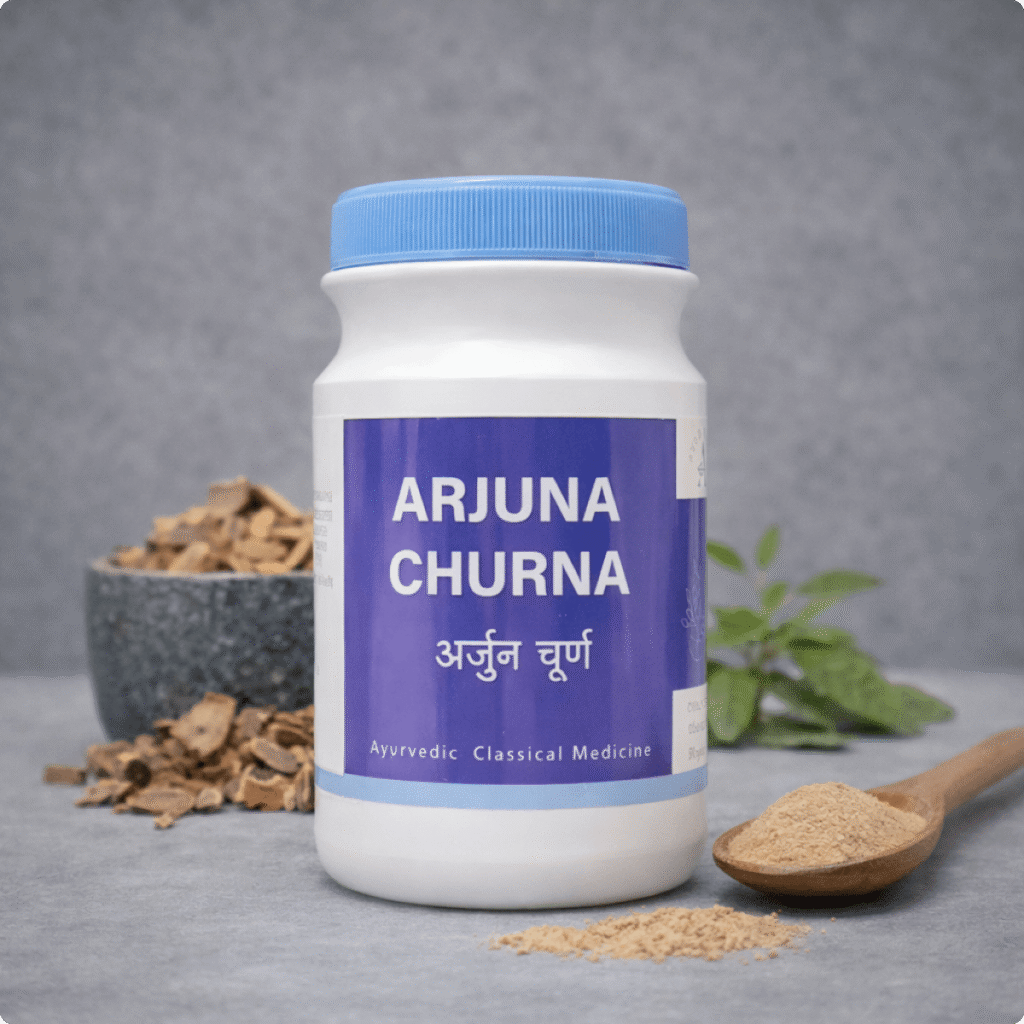
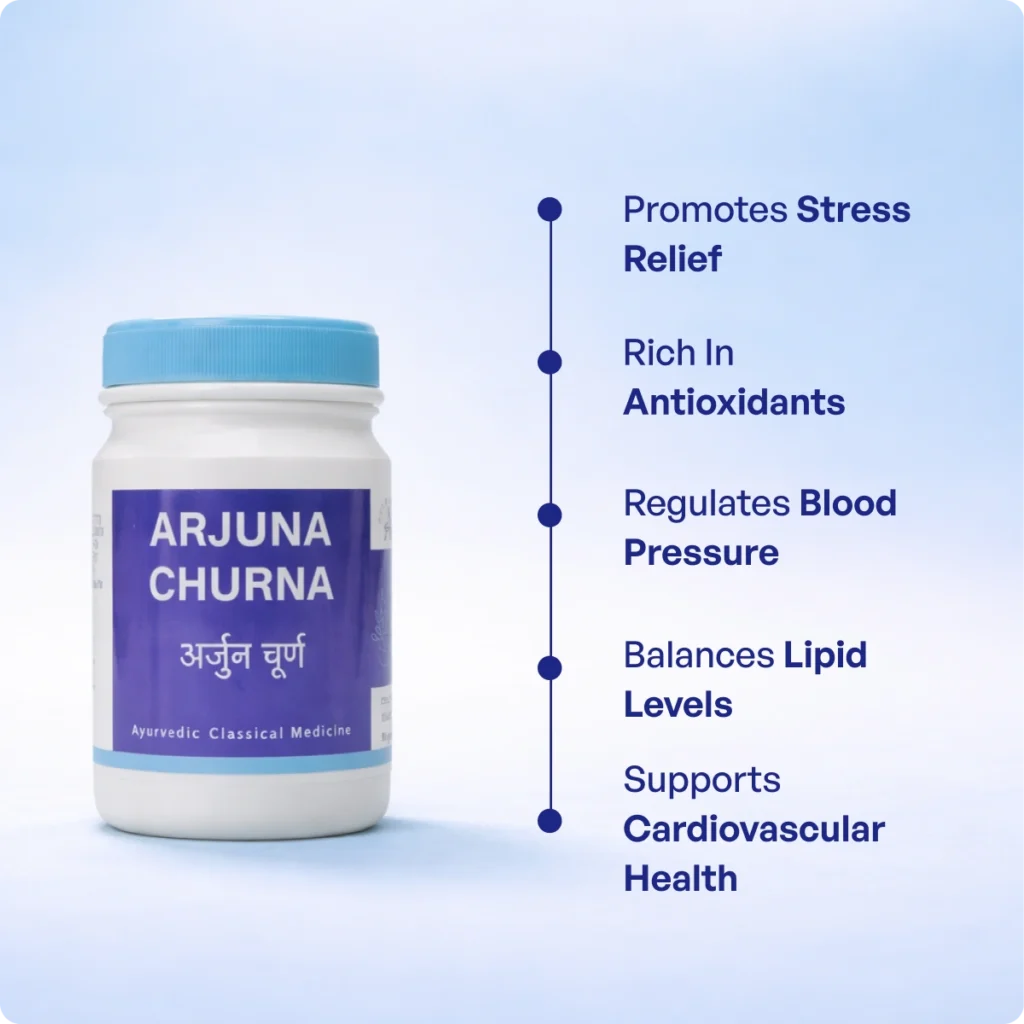
Arjuna bark has a long history in Ayurveda specifically for cardiovascular support, and it holds up well under modern research. Clinical studies have shown it helps in managing angina, improves exercise tolerance, and supports healthier blood pressure, largely through its antioxidant effect on blood vessels and its role in strengthening heart muscle function.
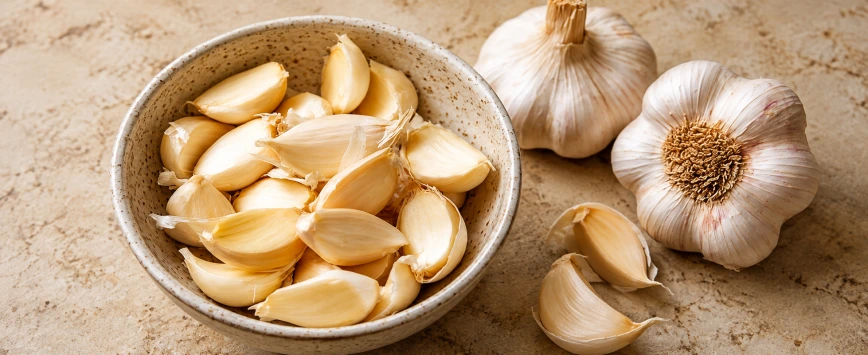
Garlic: A Kitchen Staple With Real Circulatory Benefits
Garlic’s role here comes down to allicin, its active compound, which has been shown in research to support healthy cholesterol levels and ease plaque buildup in arteries both directly relevant to how freely blood can flow.
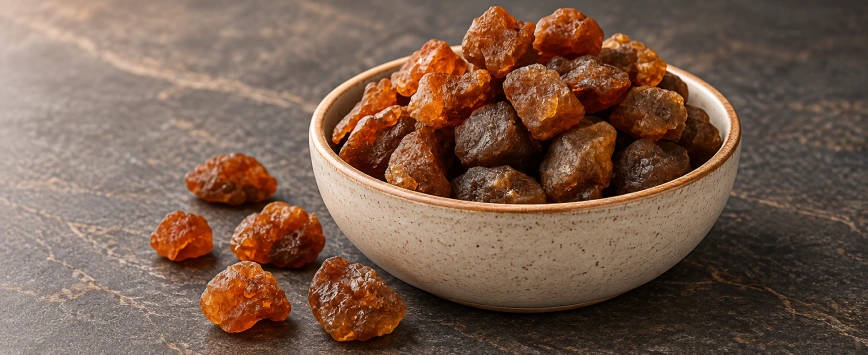
Guggul: Support for Healthy Cholesterol and Vessel Function
Guggul has been studied specifically for its lipid-lowering and anti-inflammatory effects, both of which matter for keeping blood vessels clear and circulation efficient. Research has found it moderately effective for supporting healthy cholesterol levels, making it a useful addition for people whose circulation concerns are tied to cardiovascular risk factors.
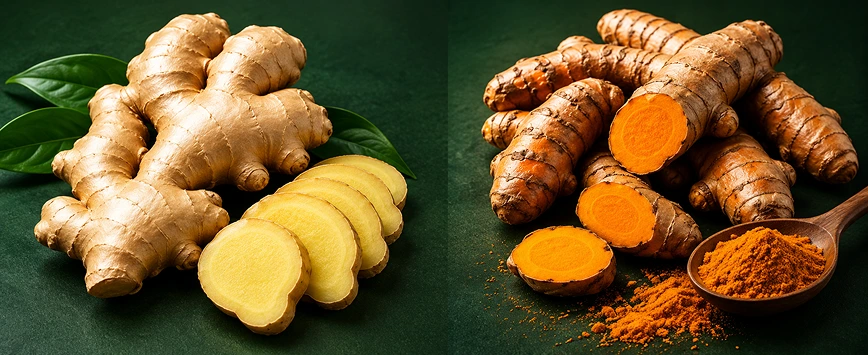
Ginger and Turmeric: Everyday Spices That Support Blood Flow
Both of these common kitchen spices have a track record of supporting circulation, largely through mild anti-inflammatory and blood-thinning-adjacent effects. They’re easy, low-risk additions to daily cooking, and pair well with the other remedies above rather than needing to be used alone.
Building a Circulation-Support Routine
Sometimes herbs alone aren’t enough when
bone density has dropped. Traditional remedies use safe, ultra-fine mineral powders made from natural calcium sources. Using these gentle mineral preparations offers some of the most effective Ayurvedic remedies for weak bones because they do not cause digestive trouble.
- Pearl Shell Calcium (Mukta Shukti): A cooling, pure source of natural calcium that calms internal heat and avoids causing stomach acidity.
- Conch Shell Calcium (Shankha): Rich in structural minerals that soothe the stomach while delivering direct strength to your skeletal frame.
- Coral Calcium (Praval): Exceptionally gentle on the stomach, providing trace minerals that aid in keeping bones dense and sturdy.
An Important Caution
If you’re on blood thinners or other cardiovascular medication, it’s essential to talk to your doctor before adding garlic, guggul, turmeric, or Arjuna to your routine — several of these herbs have mild blood-thinning or blood-pressure-lowering effects of their own, and combining them with prescription medication without medical guidance can be genuinely risky rather than just unhelpful.
When to See a Doctor
Occasional cold hands or mild fatigue in the legs is common and often responds well to these habits. But circulation symptoms deserve prompt medical attention if you notice sudden numbness or weakness on one side of the body, chest pain or shortness of breath, a limb that becomes cold, pale, and painful suddenly, wounds that aren’t healing at all, or persistent swelling in one leg specifically — these can point to conditions like blood clots, peripheral artery disease, or cardiovascular issues that need real diagnosis, not home remedies.

 Blog
Blog

 Joint Pain
 Women’s Health
 Digestive Health