Bhumi Amla and regular Amla sound similar, but they are two different Ayurvedic plants. While regular Amla is known for vitamin C, immunity and hair health, Bhumi Amla benefits are traditionally associated with liver health, digestion and urinary wellness.
This guide covers Bhumi Amla vs Amla, the main Bhumi Amla plant benefits, Bhumi Amla uses, and Bhumi Amla powder benefits. It also explains Bhumi Amla benefits for liver health and answers the common question, Bhumi Amla how to use safely.
What Is Bhumi Amla?
Bhumi Amla (Phyllanthus niruri), also called Bhumyamalaki, is a small medicinal herb found in tropical regions. Its name means “Amla of the ground” because its tiny fruits resemble miniature Indian gooseberries.
In Ayurveda, the whole plant is traditionally used for liver, digestive and urinary health. Its bitter and astringent taste is associated with Pitta-balancing properties.
The best-known Bhumi Amla plant benefits relate to these traditional applications, although evidence from human clinical trials remains limited.
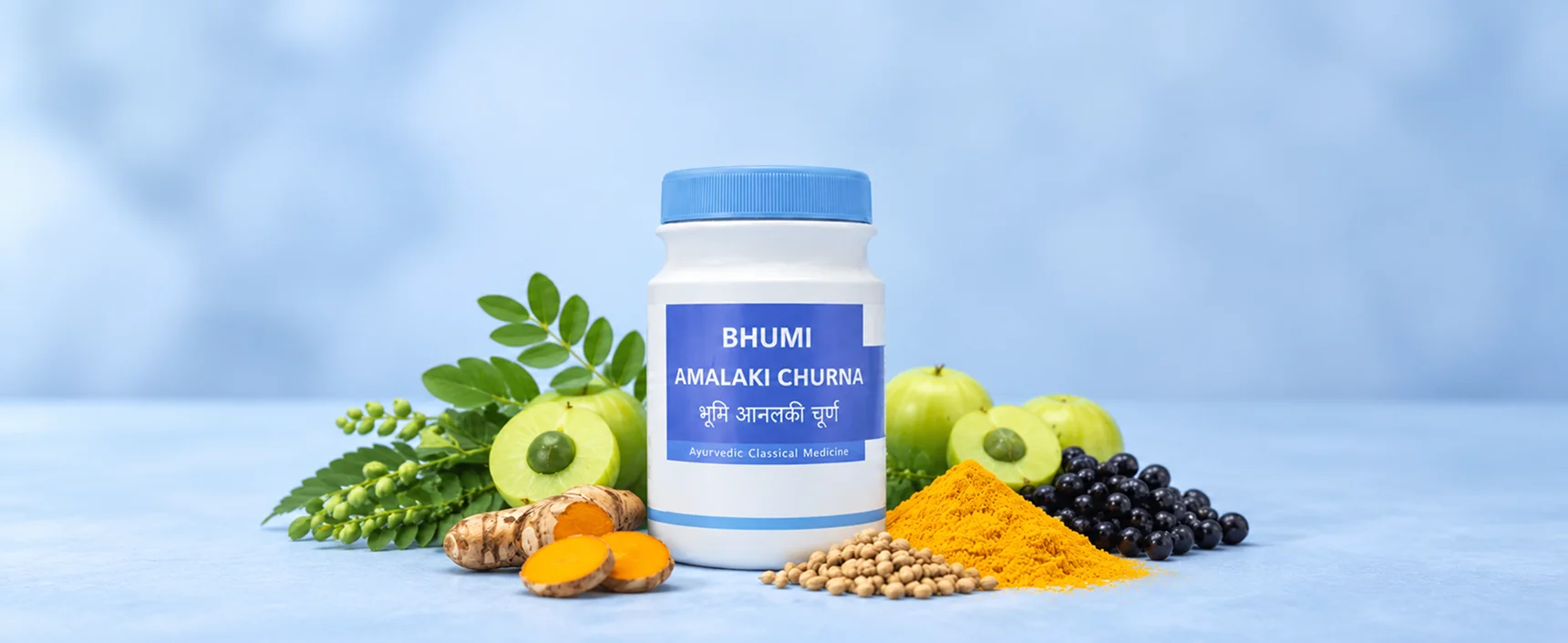
AyurvedaOne offers Bhumi Amalaki Churna (90gm), a powdered herbal preparation traditionally used for liver and digestive support.
Bhumi Amla vs Amla: What's the Difference?
Understanding Bhumi Amla vs Amla is important because these plants have different traditional uses, despite their similar names.
| Feature |
Bhumi Amla |
Regular Amla |
| Botanical name |
Phyllanthus niruri |
Phyllanthus emblica |
| Plant type |
Small herb |
Fruit-bearing tree |
| Taste |
Bitter, astringent |
Sour |
| Traditional uses |
Liver, digestion, urinary wellness |
Immunity, hair, skin and general wellness |
| Common forms |
Churna, decoction, tablets |
Fruit, juice, powder, Triphala |
| Vitamin C |
Not a notable source |
Rich natural source |
The key difference in Bhumi Amla vs Amla is that Bhumi Amla is generally used as a whole herb, while regular Amla is valued for its fruit.
When comparing Bhumi Amla vs Amla for everyday wellness, choose based on the intended purpose and professional advice rather than their similar names.
For more information about regular Amla, read Amla Benefits: Why Indian Gooseberry Is Ayurveda’s Superfruit.
What Are the Main Bhumi Amla Benefits?
The main Bhumi Amla benefits are associated with traditional support for liver function, urinary health and digestion.
Research into Bhumi Amla plant benefits has investigated antioxidant activity, liver protection and kidney stone management. However, much of the evidence comes from laboratory, animal or small human studies.
1. Bhumi Amla Benefits for Liver Health
One of the most discussed Bhumi Amla benefits for liver wellness is its traditional use for conditions associated with Kamala (jaundice).
Animal studies suggest that plant compounds such as phyllanthin and hypophyllanthin may have antioxidant and liver-protective activity.
However, research on Bhumi Amla benefits for liver protection has not established it as an effective treatment for hepatitis, fatty liver or other liver diseases.
Anyone exploring Bhumi Amla benefits for liver wellness should first understand the underlying condition and consult a healthcare professional.
For traditional liver support, AyurvedaOne offers Bhumi Amalaki Churna and Katuki Churna, which are different herbal preparations.
You can also explore the Liver Wellness collection and read Ayurvedic Ways to Cleanse and Protect Your Liver Naturally for lifestyle information.
2. Kidney Stones and Urinary Health
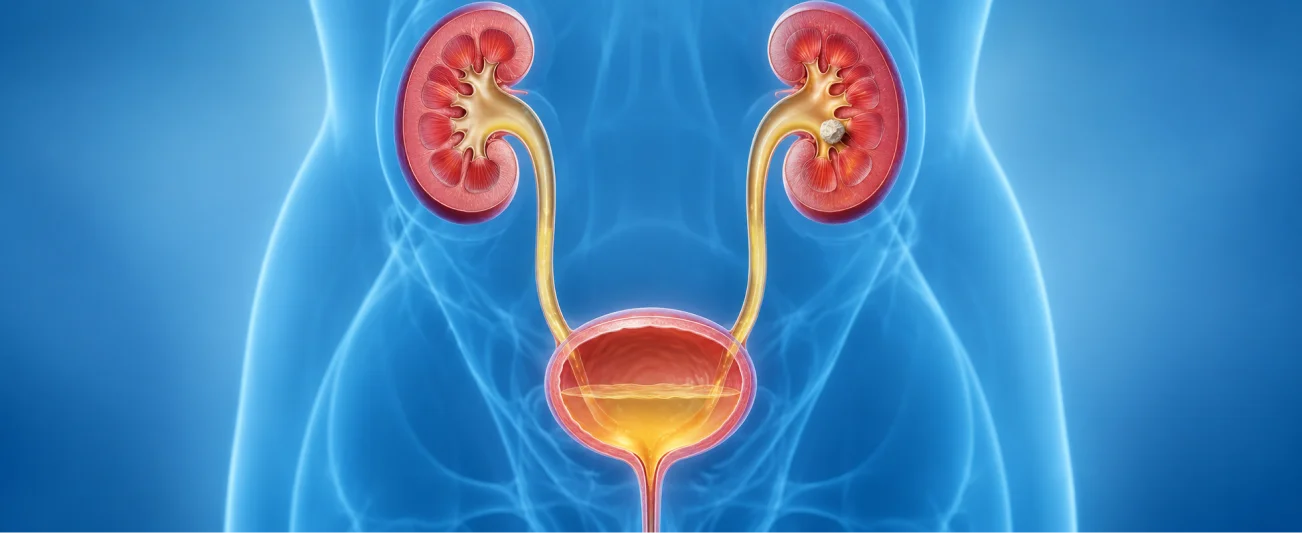
Among traditional Bhumi Amla plant benefits, urinary health support is particularly well known. The herb is sometimes called stone breaker because of its historical use for kidney stones.
Some studies suggest Phyllanthus niruri may provide supportive benefits alongside conventional kidney stone treatment. However, it cannot reliably dissolve or remove stones on its own.
For more information, read Ayurvedic Remedies for Kidney Stones or explore AyurvedaOne’s Kidney Care collection.
3. Digestion and Acidity
Digestive support is another traditional application of Bhumi Amla. Its bitter properties are associated with digestive balance in Ayurveda.
Some people use the herb for heaviness, acidity and discomfort after meals. However, clinical evidence for treating these symptoms is limited.
For related digestive concerns, read Ayurvedic Treatment for Gastritis or explore the Digestive Health collection.
4. Blood Sugar and Immunity
Some early laboratory and animal studies suggest Bhumi Amla may influence blood glucose metabolism and immune activity.
However, these Bhumi Amla plant benefits are not adequately established in human clinical trials. People taking diabetes medicines should be especially careful because of possible interactions affecting blood sugar.
For broader guidance, read The Role of Ayurveda in Diabetes and Blood Sugar Control.
What Are Bhumi Amla Powder Benefits?
Bhumi Amla powder, also called Bhumi Amalaki Churna, is prepared from the dried herb.
The main Bhumi Amla powder benefits include convenient storage, easy measurement and availability as a traditional preparation associated with liver, digestive and urinary wellness.
Unlike fresh herbs, commercially prepared powders can be easier to store and measure. These practical Bhumi Amla powder benefits make churna a common form of the herb.
The traditional Bhumi Amla powder benefits are associated with the same plant used in decoctions and other formulations. However, the powdered form does not necessarily provide stronger clinical effects.
Understanding Bhumi Amla powder benefits also means checking the botanical name, product quality and recommended usage instructions.
AyurvedaOne’s Bhumi Amalaki Churna (90gm) is a single-herb powder made from Phyllanthus niruri.
Another traditional liver-support herb is Katuki Churna. Although both preparations are associated with liver wellness, their ingredients and uses differ.
What Are the Common Bhumi Amla Uses?
Traditional Bhumi Amla uses mainly involve herbal preparations for liver, digestive and urinary wellness.
The most common Bhumi Amla uses include:
- Liver wellness: Traditionally used to support normal liver function.
- Digestive comfort: Used in Ayurveda for digestive heaviness and discomfort.
- Urinary health: Traditionally associated with urinary wellness and kidney stone support.
- Pitta balance: Used in traditional approaches to excess body heat.
These Bhumi Amla uses are based mainly on Ayurvedic practice, and not every application has been confirmed through clinical trials.
Although traditional Bhumi Amla uses cover several health concerns, the herb should not replace diagnosis or prescribed treatment.
For broader traditional wellness preparations, browse AyurvedaOne’s General Wellness collection.
Bhumi Amla How to Use: A Simple Guide
The correct Bhumi Amla how to use instructions depend on the formulation, individual health needs and advice from a qualified practitioner.
Churna (powder): Mix the recommended quantity with water as instructed. For Bhumi Amla how to use guidance specific to powdered preparations, check the Bhumi Amalaki Churna product page.
Decoction (kashayam): The dried herb is traditionally boiled in water and strained. When researching Bhumi Amla how to use in decoction form, remember that preparation strength and dosage can vary.
Tablets or capsules: Follow the manufacturer’s instructions and your healthcare practitioner’s guidance.
There is no universally established safe daily dosage for Bhumi Amla.
Who Should Avoid Bhumi Amla?
Although Bhumi Amla benefits are widely discussed, the herb is not suitable for everyone.
Consult a doctor before use if you:
- Are pregnant, breastfeeding or planning pregnancy.
- Take diabetes or blood pressure medicines.
- Take blood thinners or diuretics.
- Have an existing liver or kidney condition.
- Experience unusual symptoms after taking herbal supplements.
Bhumi Amla should not replace prescribed medicines for liver disease, kidney stones or diabetes.
Seek prompt medical care if you notice yellowing of the eyes, dark urine, severe abdominal pain or other concerning symptoms.
Final Thoughts
Bhumi Amla benefits are mainly linked to traditional liver, digestive and urinary wellness. Understanding Bhumi Amla vs Amla helps distinguish the bitter medicinal herb from the vitamin C-rich gooseberry fruit.
If you’re researching Bhumi Amla benefits for liver support or other traditional applications, consider AyurvedaOne’s Bhumi Amalaki Churna only after reviewing its suitability with a healthcare professional.
For broader wellness information, explore how to improve immunity naturally and AyurvedaOne’s Immunity collection.
Disclaimer: This article is for educational purposes only and does not replace professional medical advice, diagnosis or treatment. Consult a qualified healthcare professional before using herbal products, especially if you have an existing health condition or take prescribed medicines.





 Blog

 Blog
 Blog
 Blog