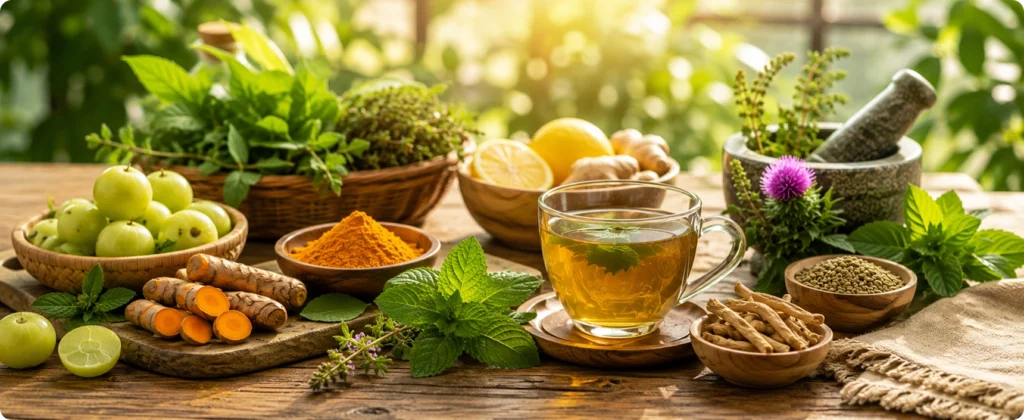
Your liver quietly does an enormous amount of work filtering toxins, processing everything you eat and drink, and keeping your metabolism running smoothly. But between processed food, alcohol, stress, and environmental exposure, it’s easy for liver health to slip down the priority list until something feels off. The good news is that looking after your liver doesn’t require anything drastic. A few consistent habits, along with some well-researched herbs, can make a real difference.
Start with What You Eat: Clean, Balanced Meals Matter Most
Before any herb or supplement, diet is genuinely the foundation of liver health. Your liver processes everything that enters your bloodstream, so what you eat directly affects how hard it has to work.
A few simple shifts go a long way:
- Cut back on fried, oily, and heavily processed foods, which force the liver to work overtime to metabolize excess fat
- Reduce refined sugar and sugary drinks — these are a major contributor to fatty buildup in the liver over time
- Add more fibre-rich foods like vegetables, fruits, and whole grains, which support digestion and help the body eliminate waste efficiently
- Stay well hydrated through the day, since water supports the liver’s natural filtering processes
- Limit or avoid alcohol, which remains one of the most direct sources of liver strain
None of this needs to be extreme. Think of it as eating in a way that gives your liver less to clean up, rather than following a strict “detox” diet.
Move Your Body Regularly
Regular physical activity, even just a brisk 30-minute walk most days, helps reduce fat buildup in the liver and supports healthy metabolism. This is especially relevant for anyone dealing with early signs of fatty liver, since consistent movement paired with dietary changes is one of the most effective ways to improve liver fat levels over time.
Manage Stress and Prioritize Sleep
It’s easy to overlook, but chronic stress and poor sleep affect liver function indirectly by disrupting hormones and metabolism. Simple daily practices — deep breathing, a short walk outdoors, winding down without screens before bed — support your liver just as much as they support your mind.
Bhumyamalaki (Phyllanthus niruri): A Traditional Herb With Real Research Behind It
This small, unassuming plant has a long history in Ayurveda for liver support, and it’s genuinely one of the better-studied herbs in this space. Research has found it has a good safety profile along with meaningful potential benefits for liver health, including in cases of viral hepatitis. In a clinical trial involving people with alcohol-related liver strain, it improved antioxidant levels in the body and helped restore appetite — both important markers of liver recovery.
It’s an easy herb to work into a daily routine, especially in tablet form, without needing to prepare anything fresh.
Turmeric (Curcumin): The Everyday Spice with Liver Benefits
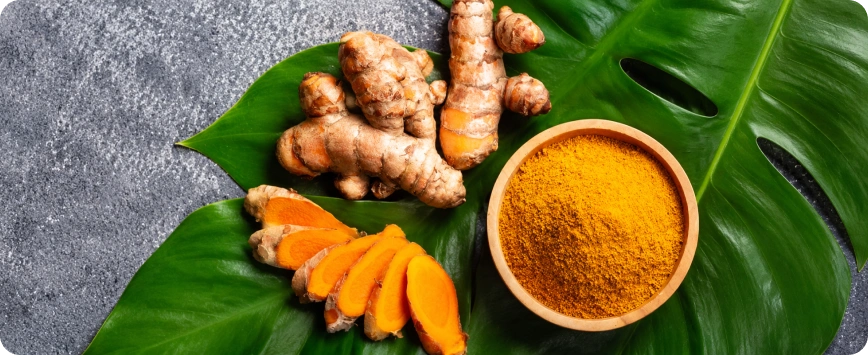
Turmeric’s active compound, curcumin, has been studied specifically for liver health, and the results are encouraging. Across multiple randomized trials, curcumin supplementation has been shown to improve liver enzyme levels along with cholesterol and blood sugar markers in people with fatty liver disease.
The simplest way to benefit: cook with turmeric regularly, add it to warm milk, or take a curcumin-based tablet if you want a more concentrated, consistent dose.
Kalmegh (Andrographis paniculata): The "King of Bitters" for Liver Support
Kalmegh has long been used in Ayurveda specifically for liver complaints, and modern research backs this up well. Its key active compound, andrographolide, has been shown to help modulate liver enzymes, support liver regeneration, and reduce the risk factors linked to chronic liver conditions, including fatty liver disease. Researchers have specifically studied it for fatty liver disease, and found it may help by reducing liver inflammation, oxidative stress, and lipid accumulation.
Because Kalmegh is quite bitter in its natural form, most people find it far easier to take as a standardized tablet rather than as a raw herb or powder.
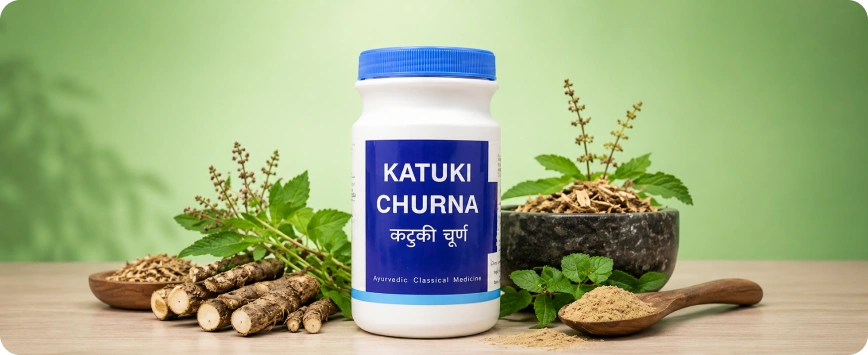
Kutki is a lesser-known but well-respected liver herb in Ayurveda, particularly for supporting recovery after liver stress or infection. In a clinical trial on patients with viral hepatitis, those given Kutki saw their bilirubin levels return to normal in under a month, compared to over two months in the placebo group — a meaningful difference in recovery time. Research has also found it useful in the context of fatty liver disease, making it a relevant option for more general liver support as well.
Like Kalmegh, Kutki is intensely bitter, so a standardized tablet form is the most practical way to include it in a daily routine.
Building a Simple Liver-Care Routine
You don’t need to do everything at once. A realistic starting point looks like this:
Clean up your plate first — less fried food and sugar, more fibre and vegetables
Add a short daily walk or any movement you enjoy
Cook with turmeric regularly, and consider a milk thistle or Bhumyamalaki-based tablet if you want extra support
Cut back on alcohol, and prioritize consistent sleep
Stay consistent — liver health improves gradually, not overnight
As always, if you have an existing liver condition, are on medication, or notice symptoms like unusual fatigue, yellowing skin or eyes, or abdominal discomfort, it’s important to get evaluated by a doctor rather than relying on herbs alone. These remedies work best as a supportive, everyday part of a healthy lifestyle — not a substitute for medical care when something’s actually wrong.




 Blog
Blog

 Heart Health
 Joint Pain
 Women’s Health