Overview
Have you ever wondered why your periods keep getting irregular, your weight feels stuck, or your skin refuses to cooperate no matter what you try? Living with PCOS can feel like your body is working against you, and quick fixes rarely last.
Ayurveda offers a way to understand what’s really happening inside. It doesn’t just treat symptoms—it looks at your digestion, hormones, stress, and daily routines to restore balance naturally.
With the right herbs, diet, lifestyle habits, and gentle therapies, your body can start functioning more smoothly. Ayurvedic treatment for polycystic ovaries helps you regain control and feel steady, supported, and more in tune with yourself.
Let’s look at PCOS through an Ayurvedic perspective in this blog.
What is Polycystic Ovary Syndrome (PCOS)?
PCOS is a hormonal condition that affects how the ovaries function, and it is more common than many realise, especially in women in their 20s and 30s. In simple terms, the body finds it hard to maintain hormonal balance, which can impact periods, skin, weight, and sometimes fertility.
Common signs you may notice:
- Irregular or missed periods
- Sudden weight gain, mostly around the belly
- Acne that does not settle easily
- Hair thinning or excess facial hair
- Trouble with ovulation
Most of this connects back to hormonal shifts and lifestyle patterns. But the exact experience can feel different for each person.
This is where things start to feel personal. Because PCOS is not just one problem. It shows up in layers. And that is exactly why Ayurveda approaches it differently.
How Does Ayurveda Understand PCOS?
Ayurveda doesn’t label it as PCOS. It sees it as an imbalance in the body’s doshas, which leads to different symptoms.
- Kapha imbalance can cause weight gain and cyst formation
- Vata imbalance may lead to irregular periods
- Pitta imbalance often shows up as acne or inflammation
This imbalance is often linked to weak digestion, known as low Agni. When digestion slows down, toxins called Ama build up and disrupt hormonal balance.
So instead of focusing only on the ovaries, Ayurveda looks at the whole system, including digestion, metabolism, stress, and daily habits. The goal is to restore balance at the root.
Ayurvedic treatment for polycystic ovaries follows this approach. It combines herbs, detox methods, diet, and lifestyle changes. As digestion improves and toxins reduce, hormones begin to balance naturally.
Core Ayurvedic Treatment for PCOS
Ayurvedic treatment for PCOS isn’t based on one method. It combines different steps that work together to support your body. The focus is on improving digestion, balancing hormones, and correcting daily habits so your system can function better over time.
1. Herbal Support
Herbs are used to gently balance hormones and support the reproductive system.
- Ashwagandha helps manage stress and supports hormone balance
- Shatavari nourishes the female reproductive system
- Guduchi helps detox and improve immunity
- Triphala supports digestion and cleansing
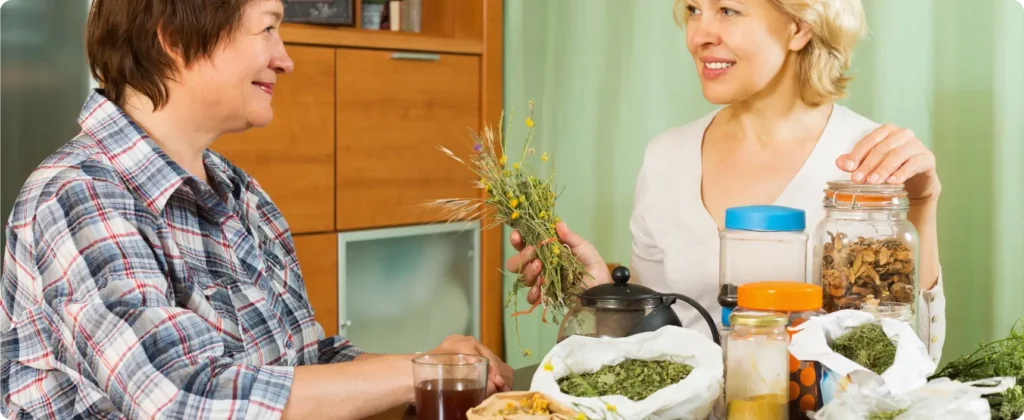
These are usually given in specific combinations. Not random, not self-prescribed.
Some formulations also come in easy-to-use forms like syrups. For example, products like Taruni Rakshya Syrup are designed to support women dealing with hormonal imbalance and cycle irregularities. They are often used alongside lifestyle changes for better results.
2. Detox Therapies (Panchakarma)
When toxins build up in your body, basic changes aren’t enough. Detox therapies are used to support deeper cleansing and restore internal balance.
Professional treatments like Virechana and Basti are done under expert supervision only when needed. Virechana clears toxins through guided cleansing, and Basti balances Vata while supporting menstrual regularity for smoother body function.
3. Ayurvedic Diet for PCOS
Your diet has a direct impact on how your body responds, and better digestion helps maintain hormonal balance. Focus on these key points:
- Eat simple, warm, freshly cooked meals that are easy to digest so your body isn’t strained.
- Reduce heavy, oily, and processed foods.
- Include whole grains, vegetables, and herbal teas to support digestion and overall balance.
- Stick to regular meal timings to keep digestion steady and help hormones stay balanced.
4. Daily Lifestyle (Dinacharya)
Your daily routine strongly affects how your body heals. A regular sleep schedule and light activity like walking or stretching will keep your body active without strain.
Simple habits like short meditation, deep breathing, or journaling will help manage stress and keep your system balanced. These small, consistent changes will support your overall health over time.
5. Yoga and Breathing Practices
Gentle movement and breathing exercises support both your body and mind, improving circulation and reducing stress, which directly benefits hormonal health. Key practices include:
- Simple yoga poses support pelvic health and improve blood flow.
- Surya Namaskar helps boost metabolism and energy levels.
- Pranayama (breathing exercises) calms your mind and reduces stress, helping your body stay balanced.
Following these practices regularly will provide consistent support and help your body return to balance naturally and sustainably.
Benefits of Ayurvedic Treatment for Polycystic Ovaries
One of the biggest reasons people choose Ayurveda is because it focuses on long-term balance and not short-term relief.
Some benefits you may notice over time:
- More regular menstrual cycles
- Better digestion and metabolism
- Improved skin health
- Gradual and sustainable weight balance
- Reduced stress levels
The process takes time, but the changes you notice are often more stable, which makes ayurvedic treatment for polycystic ovaries effort worthwhile.
How Long Does Ayurvedic Treatment Take to Show Results?
Most people notice small improvements within 6 to 8 weeks, while visible results take 3 to 6 months.
The timing depends on how long you’ve had symptoms, how consistent you are with the routine, and your body type and lifestyle. Once the body responds, the changes feel natural and lasting.
Precautions Before Starting Ayurvedic Treatment For Polycystic Ovaries
Before starting anything new, it’s always better to understand what works for your body.
- Do not self-medicate with herbs
- Always consult a qualified Ayurvedic doctor
- Track your symptoms regularly
- Inform your doctor if you’re taking other treatments
This keeps the process safe and effective and helps you avoid unnecessary confusion later.
Simple Beginner Tips to Start Ayurveda for PCOS
Starting Ayurveda doesn’t have to be complicated. You can begin with small, practical steps that fit into your daily life:
- Drink warm water in the morning to kickstart digestion.
- Follow regular meal timings to keep your digestive system steady.
- Gradually reduce processed and oily foods to ease the load on your body.
- Include light daily movement like walking, stretching, or gentle yoga.
- Add stress-relief habits like deep breathing, meditation, or short breaks during the day.
You don’t need to do everything at once. Starting small and staying consistent is what brings real results.
A Final Word
PCOS impacts more than just one part of the body, so quick fixes often fall short. Ayurveda works by addressing digestion, hormones, stress, and daily habits together, helping your body restore balance naturally. When these areas improve, changes feel steady and long-lasting.
Products like Taruni Rakshya Syrup from AyurvedaOne can support hormonal balance and fit easily into an Ayurvedic routine. Check out our website for more ayurvedic products that are made to improve your overall health.



 General

 General
 Digestive Health
 General