


















Ayurvedic Digestion Tablets for Gas, Acidity & Indigestion
Looking for digestion tablets for gas, acidity, bloating, heaviness or indigestion? AyurvedaOne brings together ayurvedic digestive tablets, traditional churnas, kashayams and digestive syrups so you can compare different Ayurvedic formats according to your digestive concern.
Whether you are looking for ayurvedic digestion tablets for convenient everyday use, a classical churna such as Triphala, or targeted digestive support for acidity or constipation, the right option depends on your symptoms and the formulation. Persistent or recurring digestive symptoms should be medically evaluated rather than managed only with self-treatment.
What Are Digestion Tablets and When Are They Commonly Used?
Digestion tablets are formulations intended to support digestive comfort when someone experiences symptoms such as post-meal heaviness, gas, bloating or indigestion. Ayurvedic digestive tablets may combine herbs or traditional ingredients selected according to Ayurvedic digestive principles, while different products may focus on acidity, bowel regularity or general digestion.
Indigestion, medically called dyspepsia, is not a single disease. It can involve upper-abdominal discomfort, early fullness, bloating, nausea or belching, and its underlying causes can differ between people. NIDDK – Indigestion (Dyspepsia)
This is why one tablet for digestion problem should not automatically be used for every digestive symptom.
| Digestive Concern | Type of Support Commonly Considered |
| Gas and bloating | Carminative and digestion-support formulations |
| Acidity or heartburn | Soothing or acidity-focused formulations |
| Occasional constipation | Bowel-regularity support |
| Heaviness after meals | Digestive herbs and appropriate meal habits |
| General digestive maintenance | Broader traditional formulations such as Triphala |
Ayurveda traditionally discusses digestive function in relation to Agni, while impaired digestion is often described in Ayurvedic literature using concepts such as Ama and doshic imbalance. These are traditional Ayurvedic concepts and should not be treated as equivalent to modern medical diagnoses.
Which Ayurvedic Digestion Tablets Are Suitable for Different Digestive Concerns?
Ayurvedic digestion tablets are not all intended for the same concern. When comparing ayurvedic tablets for digestion, first identify whether your main problem is acidity, gas, bloating, constipation, heaviness or general digestive discomfort and then review the product’s ingredients and directions.
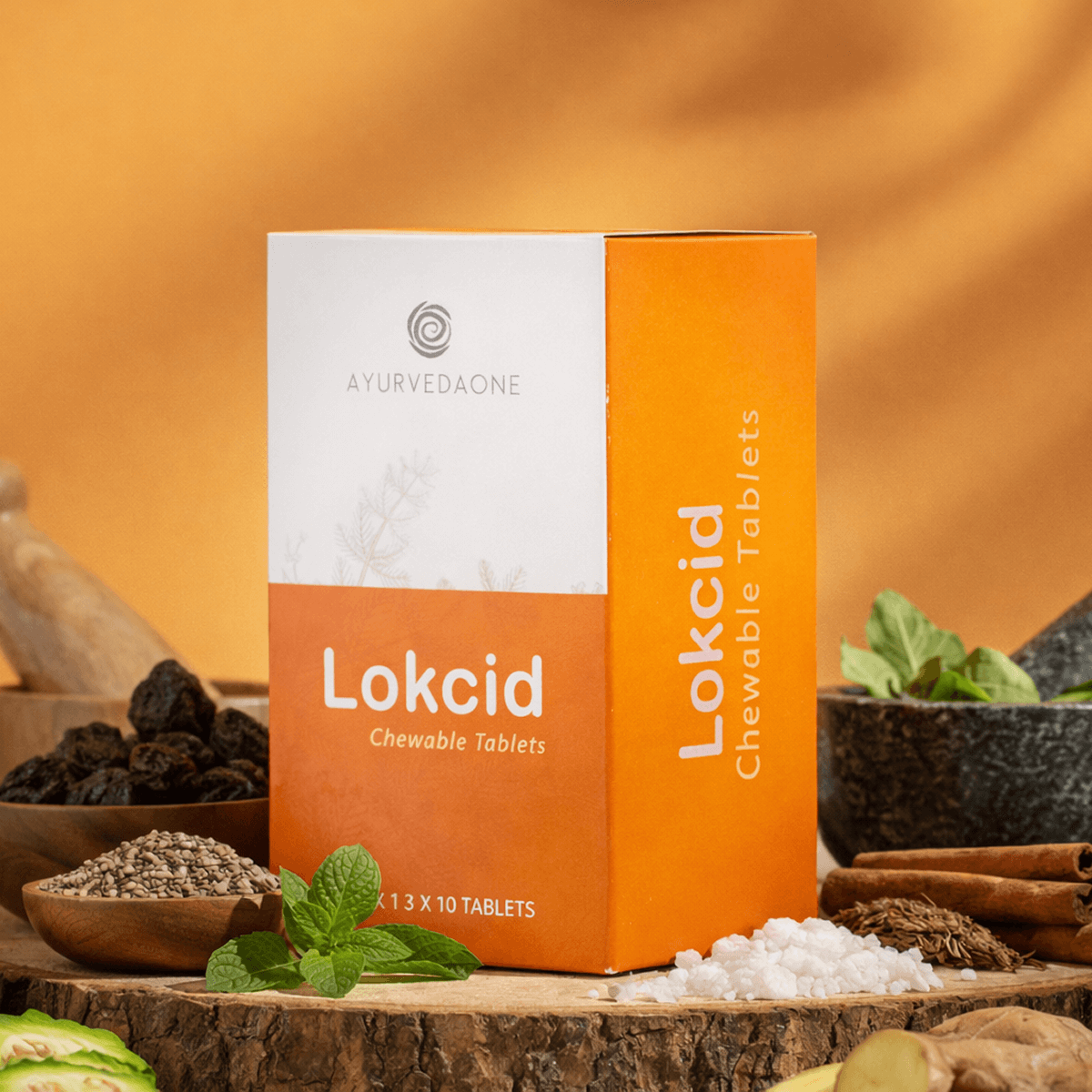
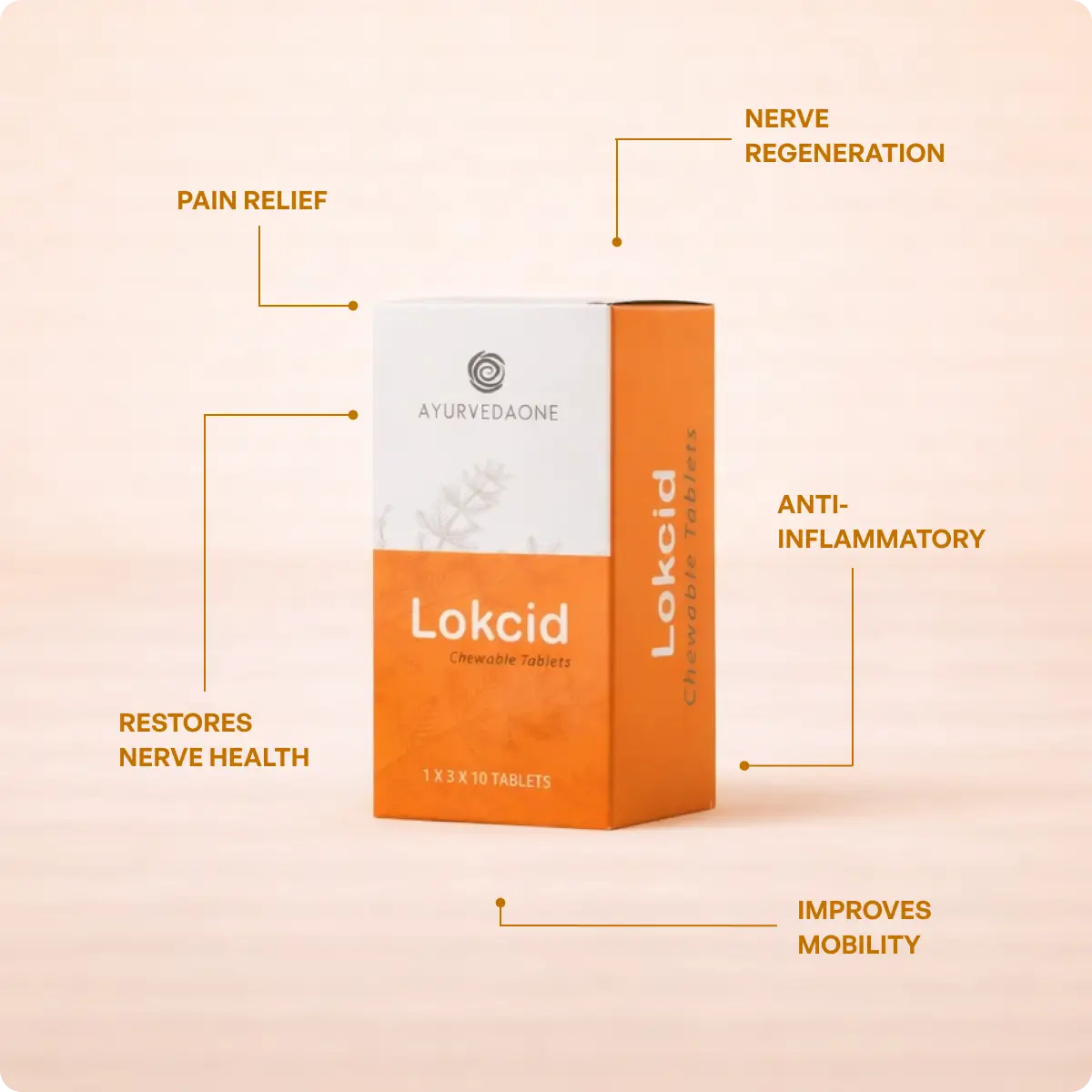
For acidity-focused support, products such as Lokcid Chewable Tablets contain ingredients including Yashtimadhu Ghana and Shankh Bhasma according to AyurvedaOne’s current product information.
For people who experience acidity together with gastric discomfort, Yashtimadhu Tablets provide a single-herb tablet format based on Yashtimadhu. AyurvedaOne currently lists the product as a 60-tablet, 850 mg formulation.
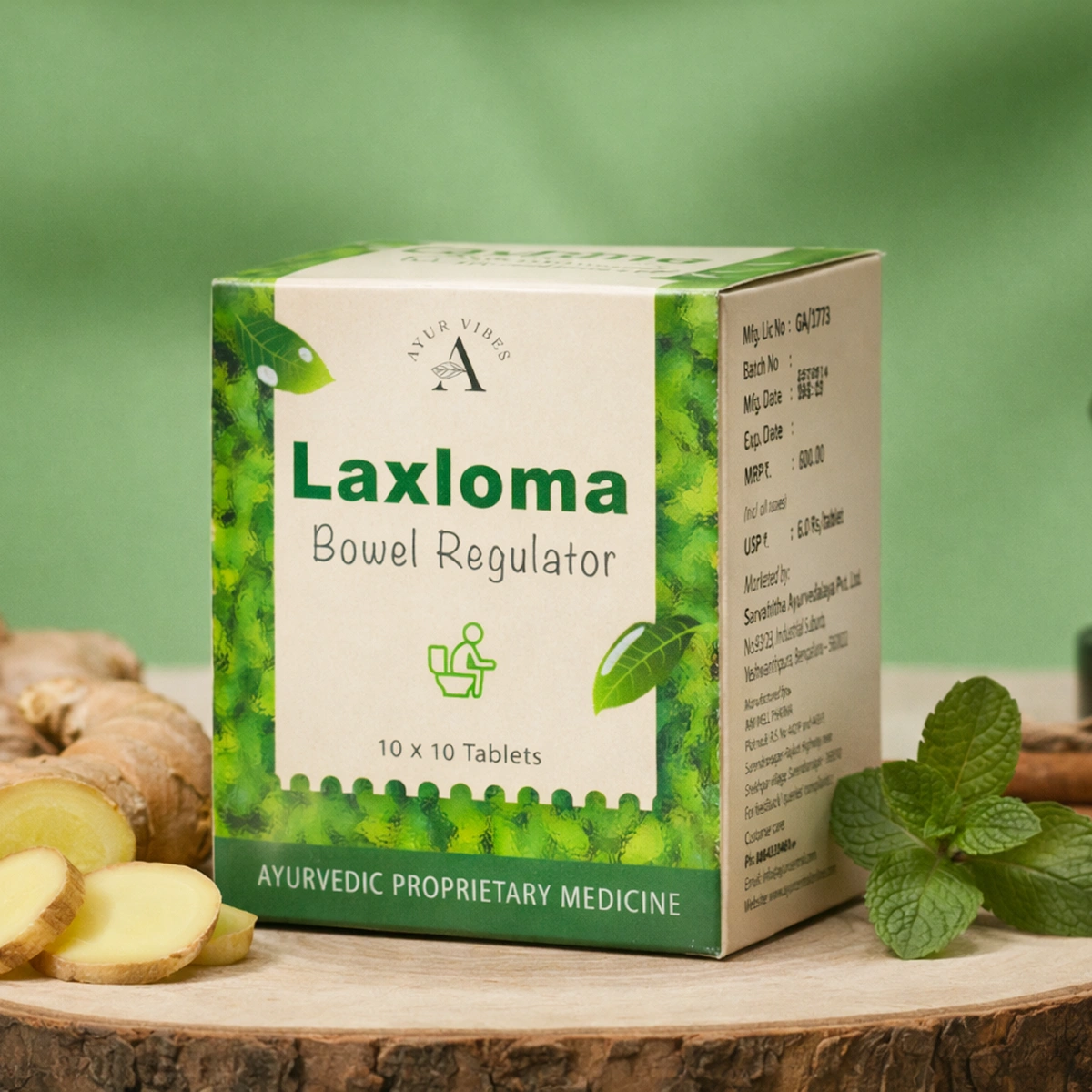
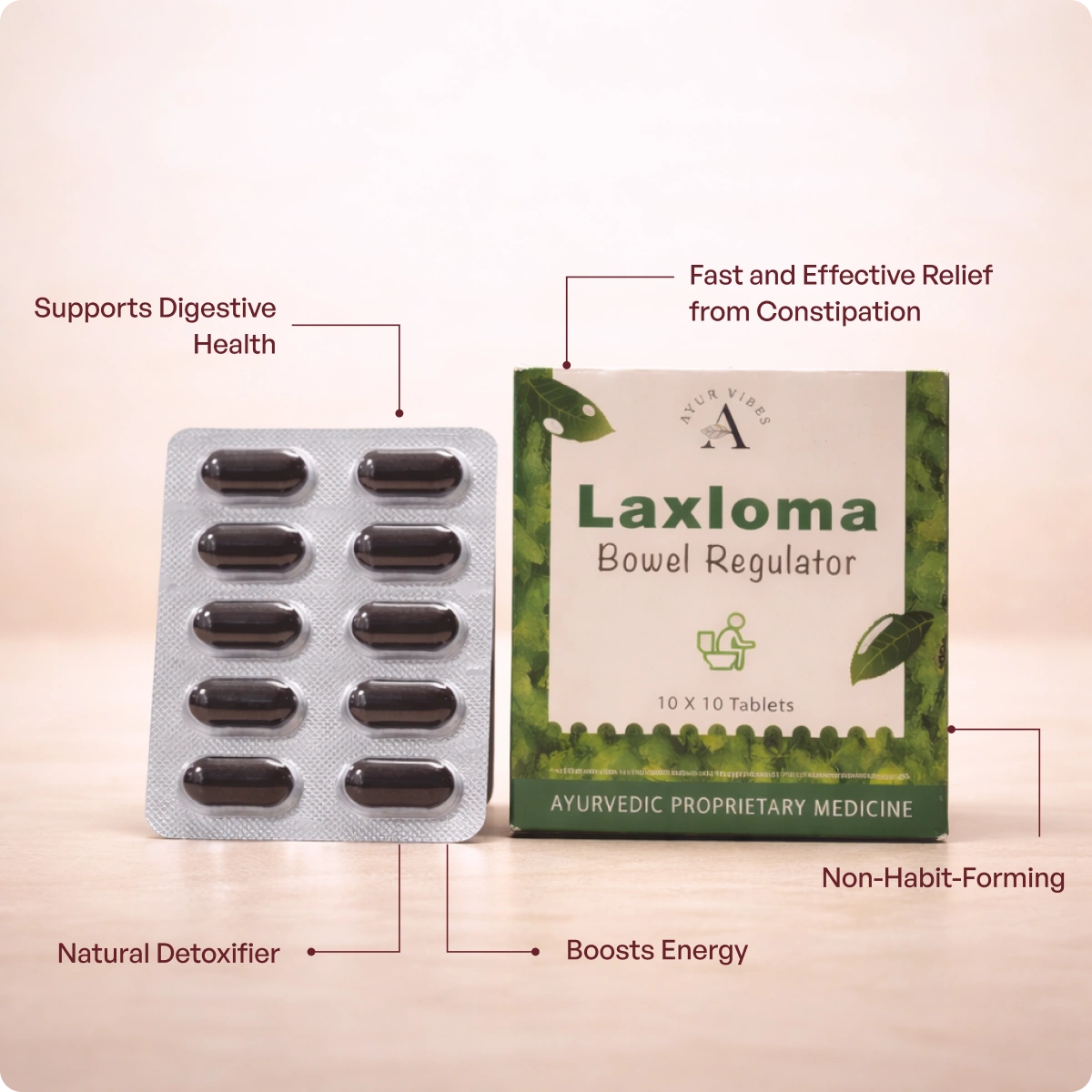
For constipation-focused support, Laxloma Tablets are positioned specifically around bowel regularity rather than general indigestion.
Someone experiencing a different digestive pattern may therefore need a different product or may not need a digestive tablet at all.
How Do You Choose the Best Digestion Tablet for Your Symptoms?
The best digestion tablet is not necessarily the same product for everyone. The more useful approach is to match the formulation to your main digestive complaint, review the ingredients and dosage, and consider how often the symptoms occur.
- If the main concern is acidity or sour belching, an acidity-focused formulation may be more relevant than a constipation product.
- If the concern is gas or abdominal bloating, consider products formulated around digestive or carminative ingredients rather than selecting a tablet simply because it carries a digestive-health label.
- If constipation is the primary concern, lifestyle measures such as sufficient fibre, fluids and regular physical activity also matter. NIDDK – Constipation Treatment
- If symptoms occur frequently, selecting the “best digestion tablet” through trial and error may delay identification of the actual cause. Chronic indigestion can have several causes, including functional dyspepsia, medicines and other digestive conditions. NIDDK – Symptoms & Causes of Indigestion
Which Digestion Tablets and Ayurvedic Digestive Products Can You Compare at AyurvedaOne?
AyurvedaOne’s digestive range includes digestion tablets, chewable tablets, churna and syrup formulations. Products differ in ingredients, format and intended digestive use, so compare them according to the specific concern rather than treating them as interchangeable.
| Product | Specification | Used For | Price* |
| Triphala Churna | 90 g churna; Amalaki, Bibhitaki and Haritaki | General digestive and bowel-regularity support | ₹100 |
| Lokcid Chewable Tablets | Chewable tablets; includes Yashtimadhu Ghana, Shankh Bhasma and Nishotha | Acidity, gastric discomfort and associated bloating support | ₹225 |
| Laxloma Tablets | 10 tablets; includes Sonamukhi, Bala Hareetaki and Shunti | Constipation and bowel-regularity support | ₹56.25 |
| Flatula-O Syrup | 200 ml; includes Ajamoda, Amalaki, Chitrakamoola and Jeeraka | Gas, bloating and post-meal digestive discomfort | ₹180 |
| Yashtimadhu Tablets | 850 mg, 60 tablets; Yashtimadhu | Acidity and gastric-soothing support | ₹270 |
| Laxcef Tablets | 10-tablet digestive formulation | Digestive support for gas and acidity | ₹47 |
*Prices should be rechecked on AyurvedaOne before publishing because product prices can change.
Which Tablet for Digestion Problem Should You Consider for Gas, Acidity or Constipation?
If you are searching for a tablet for digestion problem, start by identifying the actual symptom rather than choosing one general digestive tablet. Gas, acidity and constipation can occur together, but they are not the same condition and may require different approaches.
For acidity or heartburn, Lokcid Chewable Tablets and Yashtimadhu Tablets are among the AyurvedaOne options specifically positioned around gastric and acidity support.
For constipation, Laxloma Tablets are a more directly relevant tablet option. However, adequate dietary fibre, hydration and movement remain important alongside any medicine or supplement. NIDDK – Constipation Treatment
For gas and bloating, a tablet is not the only available format. Flatula-O Syrup is formulated with Ajamoda, Amalaki, Chitrakamoola and Jeeraka and is positioned by AyurvedaOne around gas and bloating support.
You can also read AyurvedaOne’s guide to Ayurvedic remedies for bloating and gas for diet, routine and digestive-support considerations alongside product use.
How Are Ayurvedic Digestive Tablets, Churna and Kashayam Different?
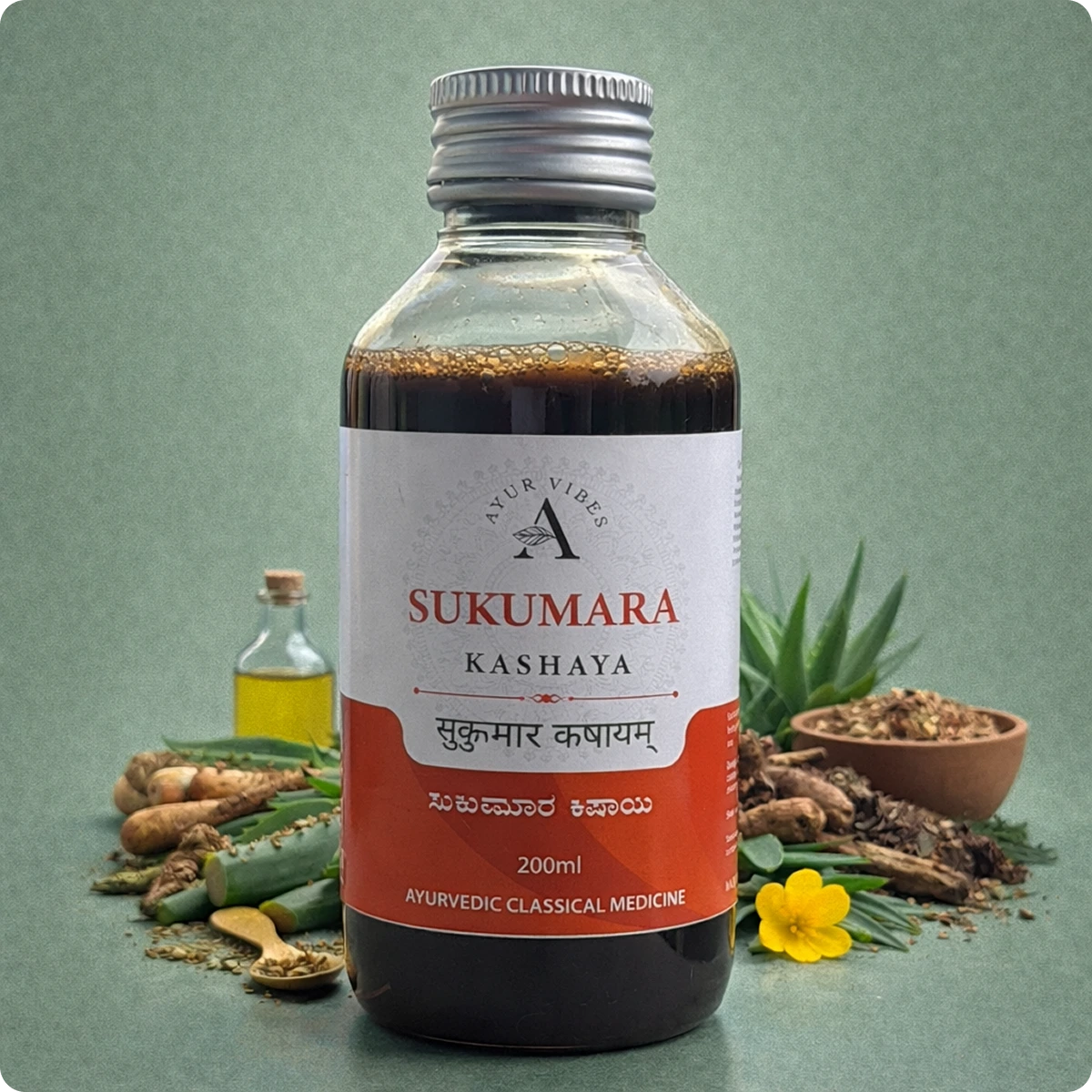
Ayurvedic digestive tablets provide a convenient fixed-dose format, while churna is a powdered herbal preparation and kashayam is traditionally a decoction-based preparation. The best format depends on the formulation, individual needs, instructions on the pack and practitioner guidance.
| Format | What It Is | Practical Advantage |
| Tablet | Compressed formulation with a defined serving | Convenient for work and travel |
| Chewable tablet | Tablet intended to be chewed rather than swallowed whole | Convenient when the formulation is designed for after-meal use |
| Churna | Fine herbal powder | Traditional format with flexible measured dosing |
| Kashayam | Herbal decoction preparation | Classical liquid format |
| Syrup | Liquid formulation | Easy measured dosing |
A powder should not automatically be assumed to work faster or better than a tablet. Effectiveness depends on the actual formulation, dose, condition being addressed and individual response.
What Role Do Agni and Ama Play in Ayurveda’s Approach to Digestion?
Ayurveda traditionally places Agni, often translated as digestive or metabolic fire, at the centre of its explanation of digestion. Ayurvedic digestion tablets, herbal powders and dietary practices are traditionally selected according to the digestive pattern rather than simply according to one isolated symptom.
Ayurvedic descriptions may discuss impaired Agni, Ama and doshic patterns such as Vata or Pitta when considering symptoms such as heaviness, gas or burning sensations. These concepts belong to the traditional Ayurvedic medical framework and are not direct substitutes for modern diagnoses such as GERD, gastritis, irritable bowel syndrome or functional dyspepsia.
This distinction is important for trustworthy digestive-health content: traditional Ayurvedic explanations can be useful for understanding how formulations are selected, while persistent symptoms still require appropriate clinical assessment.
Which Ayurvedic Herbs Are Commonly Used for Digestive Support?
Ayurvedic tablets for digestion and other digestive formulations commonly contain herbs selected according to the intended use. AyurvedaOne’s current digestive range includes formulations containing herbs such as Yashtimadhu, Shunthi, Pippali, Musta, Hareetaki, Amalaki and Chitraka.
Triphala combines Amalaki, Bibhitaki and Haritaki. AyurvedaOne’s Triphala Churna is a major digestive product within the range.
For a more detailed explanation of the traditional three-fruit formula, read Triphala Benefits: Why This Three-Fruit Formula Works.
Yashtimadhu, or licorice, appears in digestive formulations designed around gastric comfort. People with existing medical conditions or those taking medicines should still discuss regular herbal use with an appropriate healthcare professional.
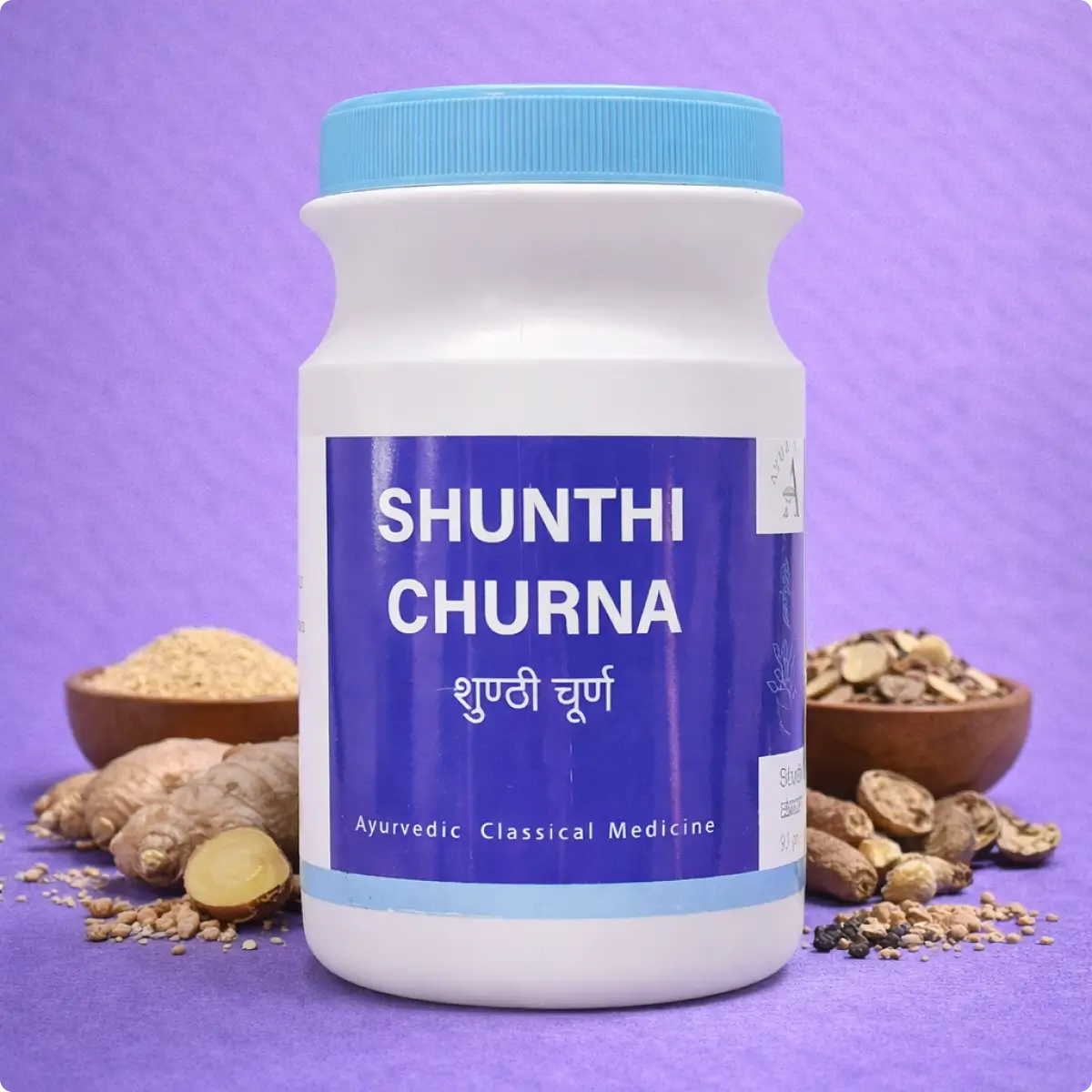
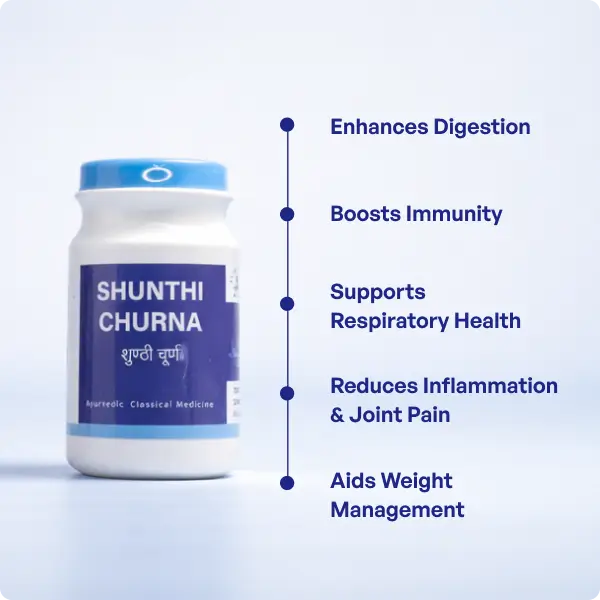
Shunthi, or dry ginger, is another traditional digestive ingredient and appears in several Ayurvedic digestive formulations.
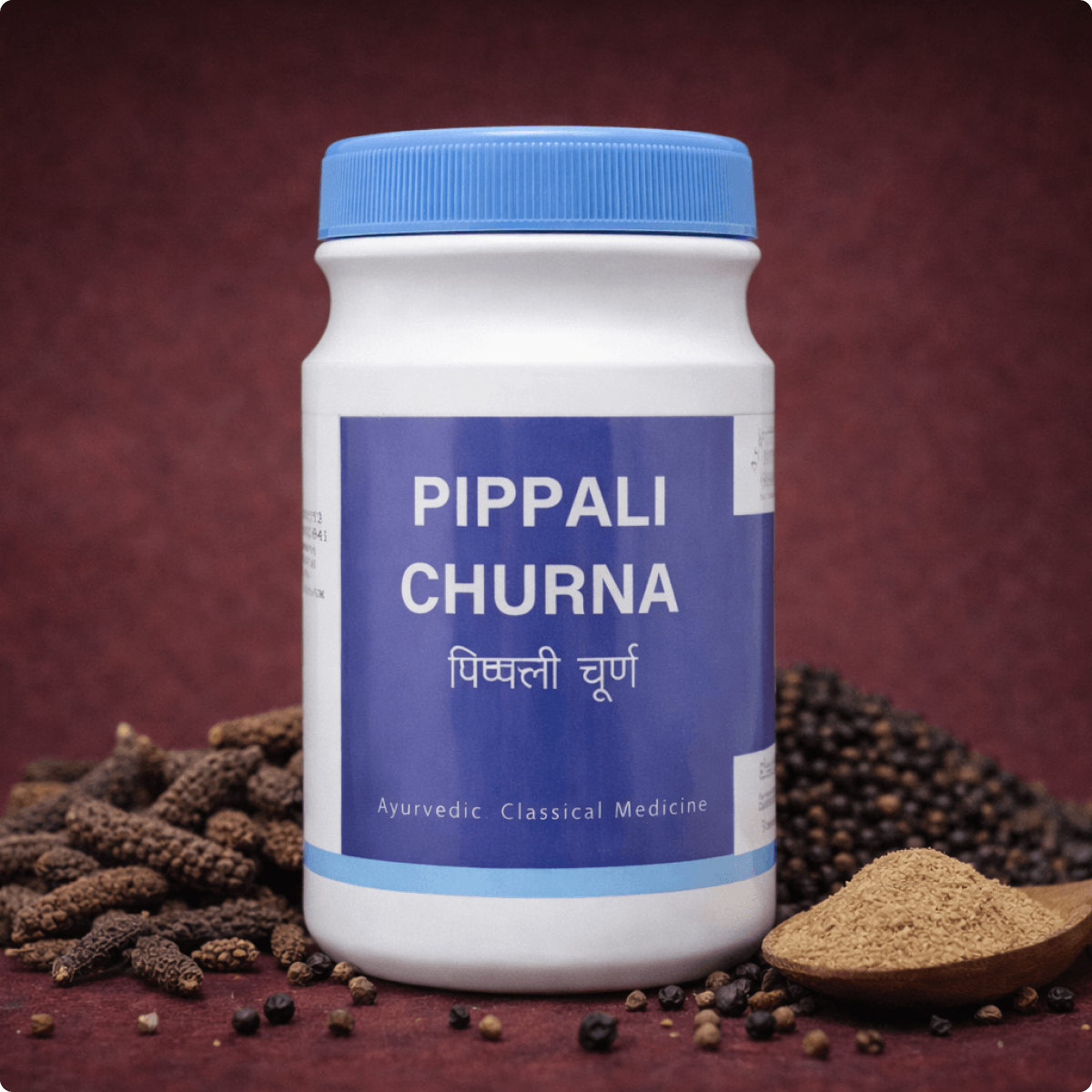
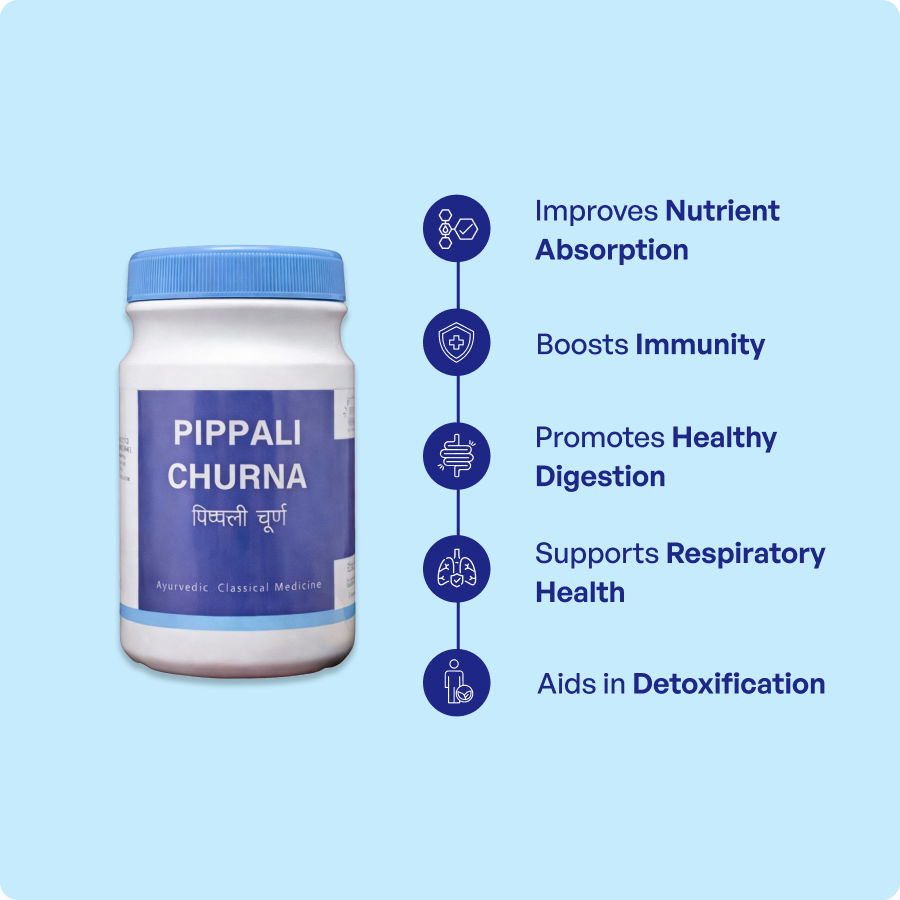
Pippali is also used traditionally for digestion. AyurvedaOne offers Pippali Churna within its Digestive Health range.
Can Ayurvedic Digestion Tablets Be Used for Acidity and Heartburn?
Some ayurvedic digestion tablets are formulated specifically around acidity and gastric comfort, but recurring heartburn should not simply be treated as ordinary indigestion. Acid reflux occurs when stomach contents move back into the oesophagus, while GERD refers to a more persistent or troublesome condition. NIDDK – Acid Reflux & GERD
AyurvedaOne currently offers acidity-oriented formulations including Lokcid Chewable Tablets and Yashtimadhu Tablets.
People dealing with recurrent burning, regurgitation or sour belching can also read AyurvedaOne’s guide to home remedies for acidity and acid reflux.
Lifestyle measures can also be relevant. NIDDK notes that management of GERD may include changes to eating habits, avoiding personally troublesome foods and, where relevant, avoiding lying down soon after eating. NIDDK – GERD Treatment
Can Digestion Tablets Help With Gas and Bloating After Meals?
Digestion tablets may be used as part of digestive support for occasional gas or bloating, depending on their ingredients and intended purpose. However, repeated bloating can also be associated with constipation, food intolerance, functional digestive disorders or other causes, so recurring symptoms should not automatically be treated with the same product.
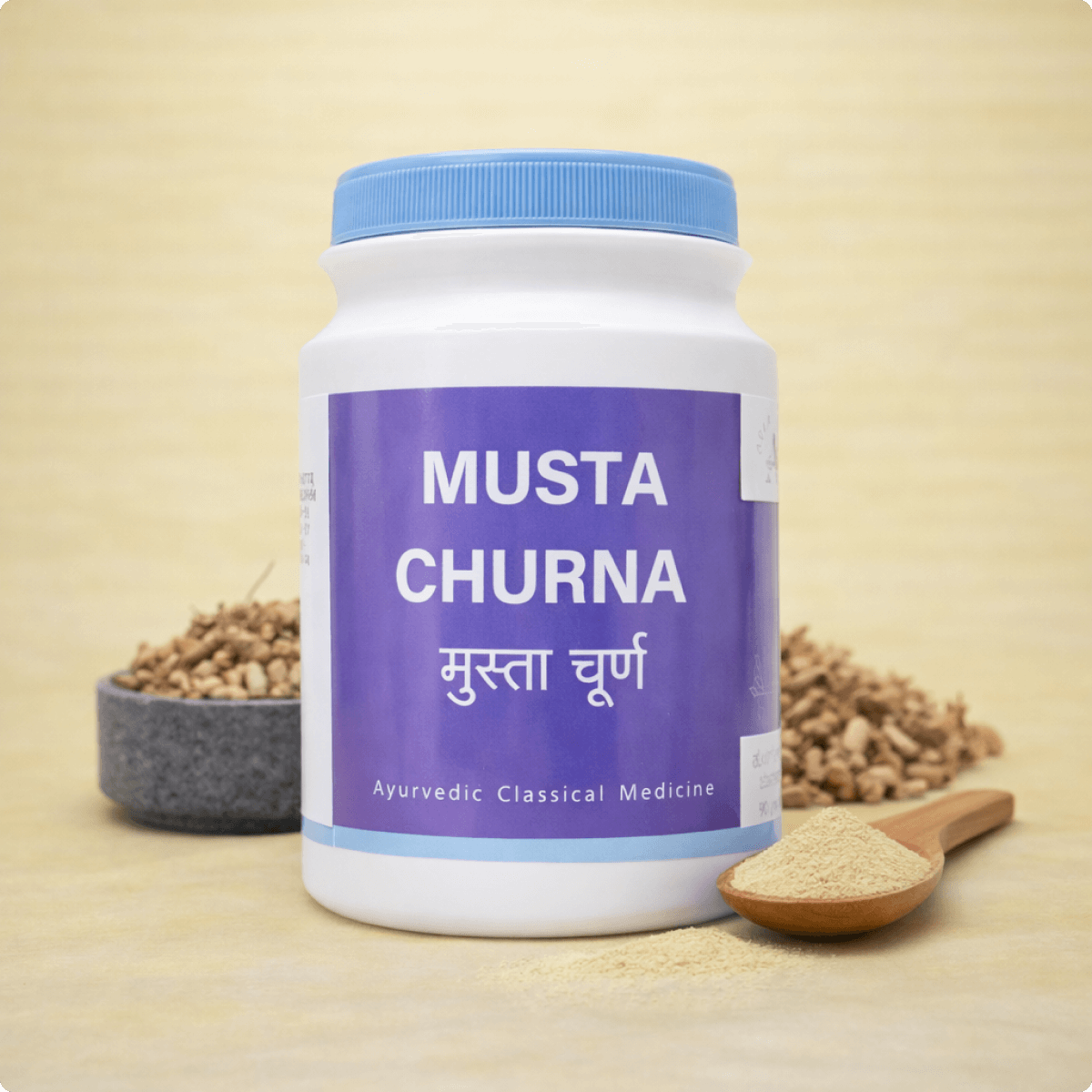
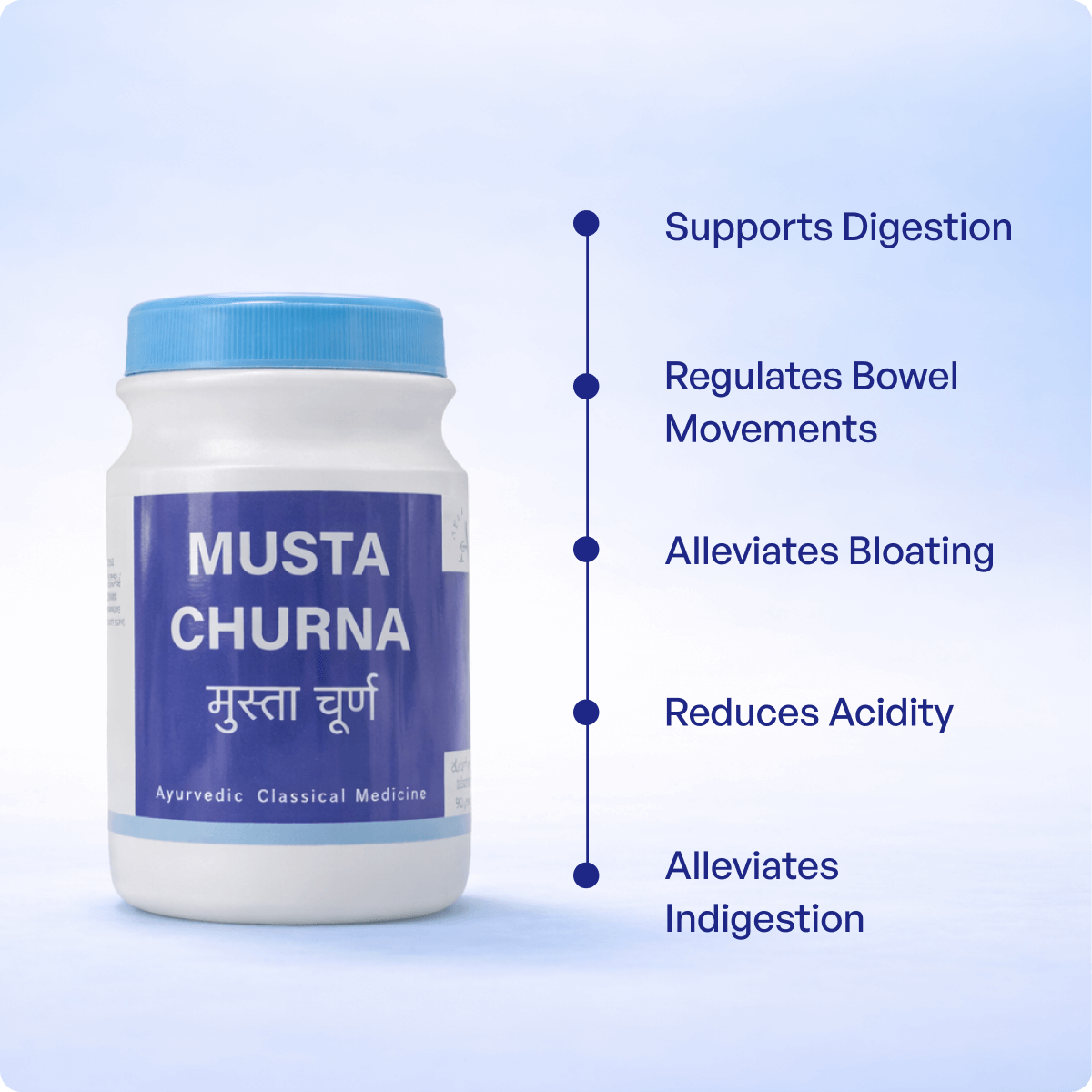
For gas-focused support, AyurvedaOne offers Flatula-O Syrup, while products such as Musta Churna provide another traditional digestive format.
AyurvedaOne’s detailed guide to bloating and gas causes and Ayurvedic support can be internally linked here because it helps users understand meal habits and possible triggers before simply selecting another product.
What Can Support Constipation Along With Digestion Tablets?
When constipation is the main concern, digestion tablets should be considered alongside fibre, hydration, activity and regular bowel habits. A constipation-focused tablet may help in appropriate situations, but recurring constipation deserves attention to the underlying cause.
AyurvedaOne options include Laxloma Tablets and the traditional Triphala Churna.
NIDDK notes that constipation may have many causes and can sometimes be associated with medicines, low fibre intake, inadequate fluids or underlying health conditions. NIDDK – Constipation Symptoms & Causes
How Should Ayurvedic Digestive Tablets Be Taken Safely?
Ayurvedic digestive tablets should be taken according to the dosage instructions on the specific product rather than using the same dose for every digestive formulation. Check the ingredient list, serving instructions and warnings before combining several digestive products.
For example, AyurvedaOne currently instructs users of Lokcid to chew 1–2 tablets after meals up to three times daily or use them as directed by a physician. Lokcid product page
Its Yashtimadhu product currently recommends 1–2 tablets daily with warm water and advises medical supervision for long-term use. Yashtimadhu product page
People who are pregnant or breastfeeding, take prescription medicines, have chronic digestive disease, or use several Ayurvedic products together should seek professional guidance.
“Natural” also does not automatically mean risk-free. NCCIH notes that safety and evidence vary among Ayurvedic preparations, and some formulations may contain mineral or metal ingredients requiring additional attention to quality and appropriate use. NCCIH – Ayurvedic Medicine: In Depth
When Should You See a Doctor Instead of Relying on Digestion Tablets?
Digestion tablets should not be used to delay medical evaluation when digestive symptoms are severe, persistent or accompanied by warning signs. Indigestion can occasionally be associated with conditions requiring diagnosis rather than self-treatment.
- blood in vomit or stools
- black or tarry stools
- persistent or severe abdominal pain
- unexplained weight loss
- difficulty or pain while swallowing
- frequent vomiting
- persistent abdominal swelling
- inability to pass gas
- chest pain
- symptoms that continue despite appropriate self-care
NIDDK identifies several of these as warning signs that warrant medical assessment. NIDDK – Symptoms & Causes of Indigestion
For recurring acidity, gastritis-like symptoms or upper-abdominal burning, you can also read AyurvedaOne’s Ayurveda Treatment for Gastritis guide while still seeking a diagnosis where symptoms persist.
What Makes AyurvedaOne Useful for Comparing Ayurvedic Digestive Support?
AyurvedaOne allows shoppers to compare ayurvedic digestive tablets, churnas, kashayams and syrups within the same digestive-health category rather than presenting every digestive concern as needing the same formulation.
The current range includes products for different needs such as acidity, gas, bowel regularity and general digestive support. Product pages provide ingredient information, format, dosage guidance and pack size, helping shoppers make a more informed comparison.
AyurvedaOne also links product shopping with educational digestive-health content, including guides on Triphala, acidity, constipation, gastritis, bloating and traditional digestion practices.
For people who are unsure which formulation matches their symptoms, book an AyurvedaOne consultation rather than combining multiple products without guidance.
For quality context, India’s Schedule T specifies Good Manufacturing Practices for Ayurvedic, Siddha and Unani medicines, including requirements related to raw-material quality, manufacturing procedures and quality control. Ministry of Ayush – Drugs and Cosmetics Rules
Frequently Asked Questions
Sources and References
| Source / Organisation | Information Referenced | Link |
| National Institute of Diabetes and Digestive and Kidney Diseases (NIDDK), NIH | Definition, symptoms and causes of indigestion/dyspepsia | NIDDK – Indigestion (Dyspepsia) |
| NIDDK, NIH | Indigestion treatment and dietary considerations | NIDDK – Treatment of Indigestion |
| NIDDK, NIH | Acid reflux and GERD definition, symptoms and management | NIDDK – Acid Reflux and GERD |
| NIDDK, NIH | Constipation symptoms, causes and treatment | NIDDK – Constipation |
| NIDDK, NIH | Fibre and fluid recommendations for constipation | NIDDK – Constipation Diet & Nutrition |
| National Center for Complementary and Integrative Health (NCCIH), NIH | Ayurveda overview, evidence limitations and safety considerations | NCCIH – Ayurvedic Medicine: In Depth |
| Ministry of Ayush, Government of India | Schedule T Good Manufacturing Practices for Ayurvedic, Siddha and Unani medicines | Drugs and Cosmetics Rules – Schedule T |