Joint pain is one of the most common health concerns affecting people of all ages. Whether it is the stiffness felt on waking up, discomfort after physical activity, or chronic pain caused by conditions such as osteoarthritis and rheumatoid arthritis, joint problems can significantly impact daily life and mobility. While conventional painkillers may provide temporary relief, long-term use can be associated with side effects such as gastrointestinal irritation, kidney stress, and cardiovascular concerns.
Ayurveda takes a holistic approach to joint health by addressing the underlying imbalance rather than simply masking symptoms. Through a combination of medicated oils, herbal formulations, lifestyle practices, and dietary recommendations, Ayurveda aims to reduce discomfort, improve flexibility, and support long-term musculoskeletal wellness. Many of these traditional remedies are now being studied for their anti-inflammatory, analgesic, and joint-supporting properties.
In this blog, we’ll explore some of the most commonly used Ayurvedic oils, tablets, and home remedies for managing joint pain naturally.
Best Ayurvedic Medicine for Joint Pain: Medicated Oils
Ayurvedic medicine for joint pain often includes topical application of medicated oils that help support mobility, reduce stiffness, and promote overall joint comfort. Medicated oils penetrate deep into tissues, reduce inflammation at the site, and nourish the joints in a way no standard cream or gel can replicate.
Mahanarayana Taila
Mahanarayana Taila is one of the most widely prescribed oils in Ayurveda for pain and muscle-related complaints. It is prepared with ten herbal ingredients — including Shatavari (Asparagus racemosus) as the primary herb, along with Ashwagandha, Guduchi, Rasna, Devadaru, and Vacha — all processed in a sesame oil base. Sesame oil on its own is deeply moisturising and nourishing to the skin, and combined with these herbs, it creates a formulation with strong analgesic and anti-inflammatory properties. Research has confirmed its in vitro anti-inflammatory activity. Importantly, when applied topically, it does not cause irritation — making it suitable for regular, long-term use on painful joints and muscles. It is particularly useful for muscle cramps, stiffness, and generalised joint pain.
Ksheerabala Taila
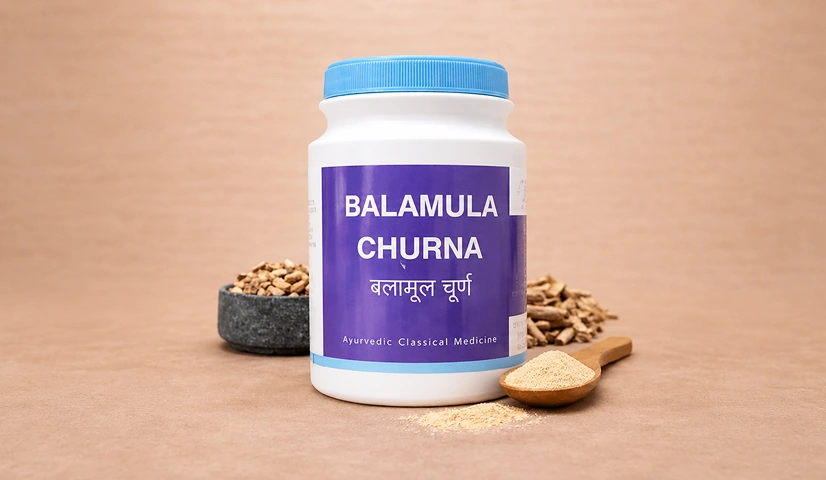
Ksheerabala Taila is a classical Ayurvedic oil prepared using Bala (Sida cordifolia), cow’s milk, and sesame oil. Its unique formulation is traditionally valued for nourishing nerves, joints, and muscles while supporting mobility and comfort.
A 2025 study published in the International Journal of Ayurvedic Medicine found that Ksheerabala may help reduce pain signalling by downregulating the Cacna1b gene, which is involved in nerve-related pain pathways. The study also reported strong antioxidant activity.
Ksheerabala Taila is particularly beneficial for joint pain associated with nerve involvement, including conditions such as sciatica, cervical spondylosis, and neuromuscular weakness. It is widely used in Ayurvedic therapies to support joint comfort, flexibility, and overall musculoskeletal health.
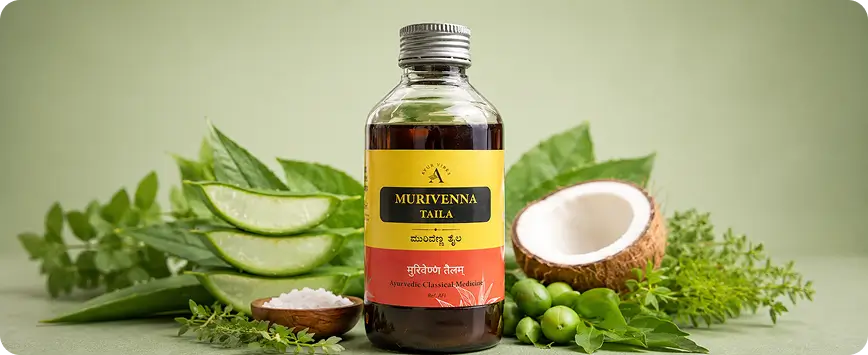
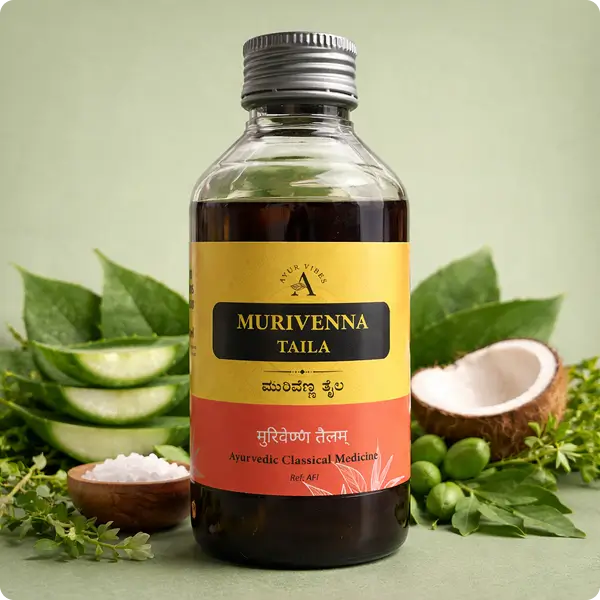
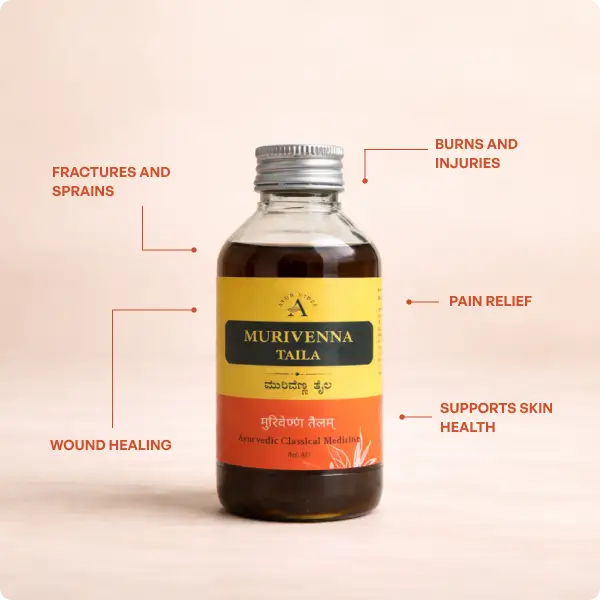
Murivenna Taila
Murivenna, meaning “the oil that heals wounds” in Malayalam, has been used for centuries in Ayurveda, especially in Kerala, as a traditional first-aid oil. It is prepared using coconut oil infused with fresh juices of nine herbs, including Karanja, Shatavari, Moringa, Aloe vera, betel leaf, and onion. The formulation is listed in the Ayurveda Formulary of India and included in the Ministry of AYUSH’s Essential Drug List.
A 2023 review published in the European Chemical Bulletin by researchers from the Central Ayurveda Research Institute (CCRAS) highlighted Murivenna’s anti-inflammatory and anti-MRSA properties. Clinical studies have reported benefits in post-fracture stiffness, Colles fractures, osteoarthritis of the knee, Achilles tendinopathy, and wound healing.
For joint pain, Murivenna is commonly used in therapies such as Pichu, Kati Basti, Dhara, and therapeutic massage. It is particularly beneficial for inflamed joints, sprains, dislocations, and post-injury recovery, making it one of the most suitable Ayurvedic oils for acute injury-related joint pain. To experience the traditional benefits of Murivenna for injury-related joint pain and inflammation, explore Murivenna Taila from AyurvedaOne.
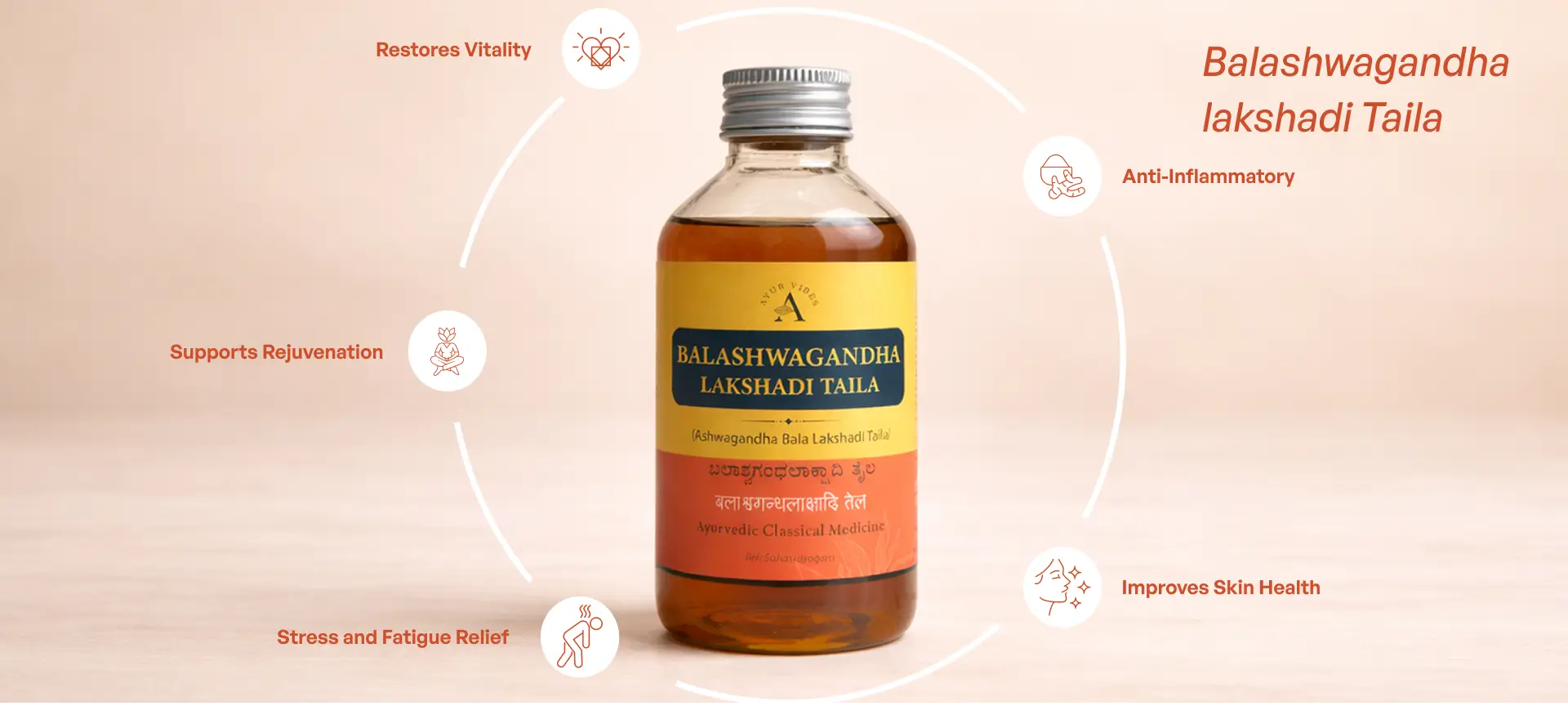
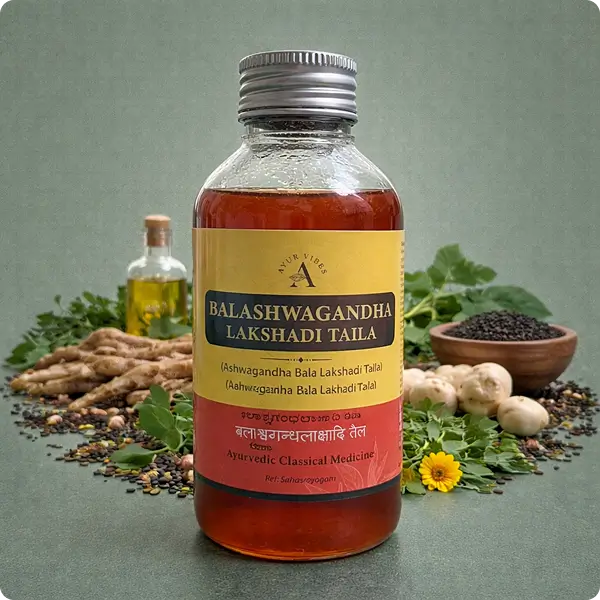
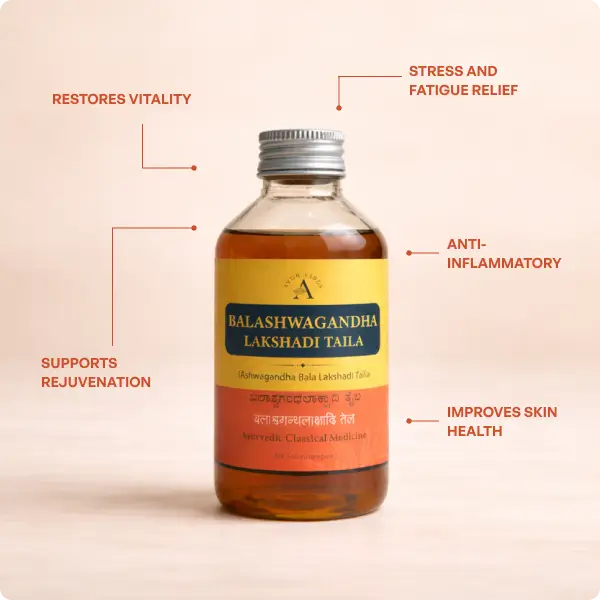
Balashwagandha Lakshadi Taila
Balashwagandha Lakshadi Taila is a traditional Ayurvedic oil formulated with Bala, Ashwagandha, and Laksha to support bone, joint, and muscle health. It is commonly used to strengthen tissues, improve mobility, and aid recovery from injuries and musculoskeletal conditions.
The ingredients are known for their nourishing and rejuvenating properties. Ashwagandha supports muscle strength, Bala promotes tissue nourishment, and Laksha is traditionally associated with bone health and healing.
This oil is commonly used for chronic joint discomfort, stiffness, muscle weakness, and post-fracture rehabilitation. While Murivenna is often preferred for acute injuries, Balashwagandha Lakshadi Taila is better suited for long-term strengthening and recovery. To support joint strength, mobility, and recovery naturally, explore Balashwagandha Lakshadi Taila from AyurvedaOne.
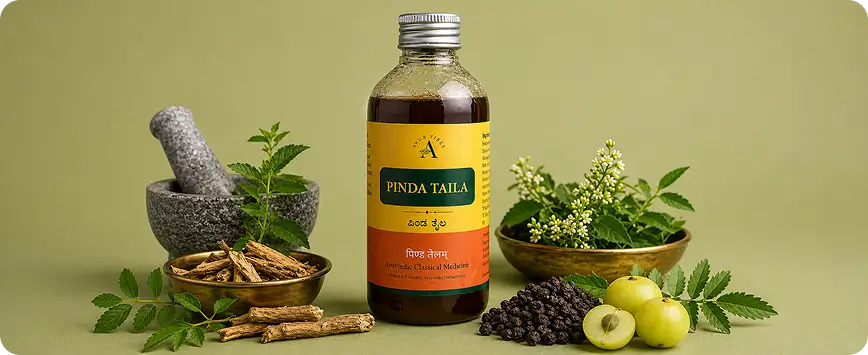
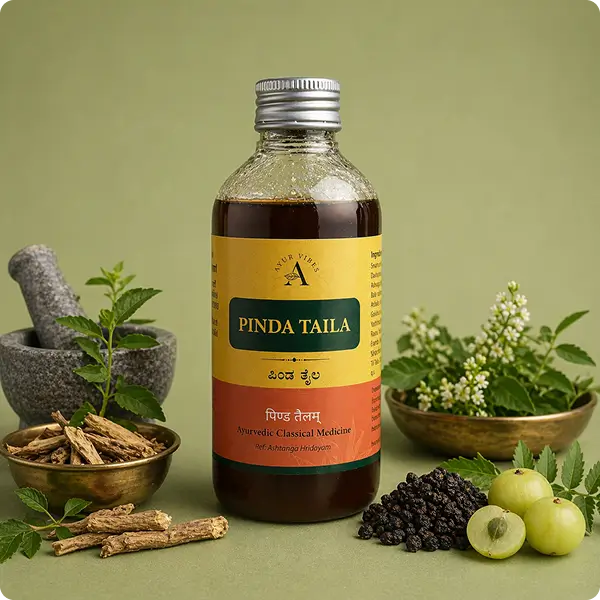
Pinda Taila
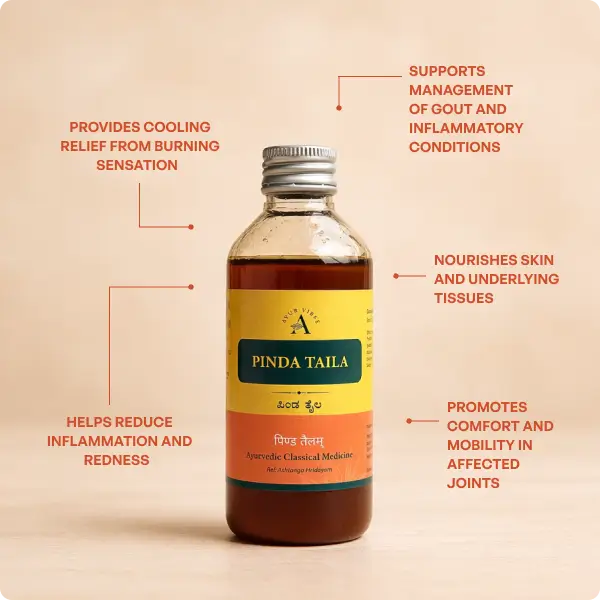
Pinda Taila is a classical Ayurvedic oil referenced in the Charaka Samhita for Vata-rakta — conditions involving joint inflammation with blood vitiation, such as gout and certain forms of arthritis. It is formulated with Manjistha (Rubia cordifolia), Sariva (Hemidesmus indicus), beeswax, and sesame oil — ingredients known for their blood-purifying, cooling, and anti-inflammatory properties.
A study published in Ancient Science of Life evaluated the topical anti-inflammatory activity of Pinda Taila as a herbal gel formulation, which showed superior results at 82.15% inhibition, outperforming Diclofenac. These are clinically significant findings, particularly for a natural oil formulation with no known toxicity. Pinda Taila is especially useful when joint pain is accompanied by burning sensation, redness, and swelling — as is common in gouty arthritis and rheumatoid arthritis. For soothing relief from joint discomfort, burning sensations, and inflammation, consider Pinda Taila from Ayurveda One.
Ayurvedic Tablets for Joint Pain
While oils work from the outside, Ayurvedic tablets address the internal environment — clearing accumulated toxins from the joints, reducing systemic inflammation, and rebuilding tissue over time. Along with external therapies, Ayurvedic medicine for knee pain and other joint conditions frequently includes classical herbal formulations and tablets.
Yogaraj Guggulu
Yogaraj Guggulu is one of the most widely used Ayurvedic formulations for joint disorders. It contains purified Guggulu along with herbs such as Rasna, Triphala, Chitraka, Shatavari, Guduchi, Gokshura, and dry ginger, which help support joint health, mobility, and overall musculoskeletal function.
A multicentric CCRAS study involving 483 osteoarthritis patients found significant improvements in pain, stiffness, and physical function after 12 weeks of treatment. The study also reported a reduction in the need for conventional pain medication, with no adverse events observed.
Mahayogaraj Guggulu
Mahayogaraj Guggulu is a more potent classical Ayurvedic formulation used for advanced joint and musculoskeletal conditions. It combines Guggulu, Triphala, Trikatu, and numerous other herbs along with traditional mineral preparations that help support deeper tissue nourishment and recovery.
It is commonly recommended for chronic joint discomfort, stiffness, and conditions involving both the joints and the nervous system. Due to its comprehensive formulation, it is best used under the guidance of a qualified Ayurvedic practitioner.
Trayodashanga Guggulu
Trayodashanga Guggulu is a classical Ayurvedic formulation designed to support joint, nerve, and musculoskeletal health. It combines purified Guggulu with herbs such as Ashwagandha, Guduchi, Shatavari, Gokshura, Rasna, and dry ginger.
A study published in Phytomedicine Plus (2022) reported notable analgesic and anti-inflammatory effects, supporting its traditional use in conditions such as arthritis, sciatica, ligament injuries, and gout.
Simple Home Remedies for Joint Pain
Beyond formulations, Ayurveda also offers practical daily habits and kitchen-based remedies that support joint health meaningfully.
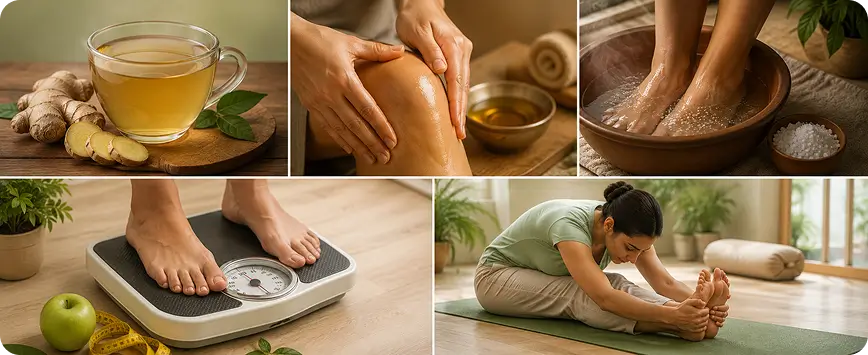
- Dry Ginger Water: Boiling dry ginger (Sunthi) in water and drinking it warm is one of the oldest home remedies for joint pain. Dry ginger has natural anti-inflammatory properties and is particularly effective for Vata and Ama-related discomfort — the kind that feels worse in cold weather or early mornings. The (8)-Gingerol compound in ginger, identified in the Trayodashanga Guggulu LC-MS study above, is specifically linked to COX-2 inhibition.
- Warm Sesame Oil Massage: Massaging the affected joint with warm sesame oil for 10–15 minutes before bathing is a simple but deeply effective daily practice. Sesame oil is inherently Vata-pacifying — it reduces dryness and stiffness, improves local circulation, and keeps the joint lubricated. It forms the base of several oils mentioned above for the same reason.
- Epsom Salt or Warm Water Soak: Soaking an aching joint in warm water — with or without Epsom salt — relaxes the surrounding muscles, reduces stiffness, and provides temporary but meaningful relief. Particularly helpful after a long day or when the joint feels heavy and fatigued.
- Weight Management: One of the most overlooked factors in knee joint pain is body weight. Every extra kilogram places several kilograms of additional load on the knee with every step. Even a modest weight reduction can significantly ease chronic knee pain — this is as true in Ayurvedic practice as it is in modern orthopaedics.
- Gentle Yoga and Stretching: Joints that are not moved regularly become stiffer over time. Gentle yoga and stretching maintain range of motion, keep supporting muscles active, and improve synovial fluid circulation. Practices like Pawanmuktasana sequences — specifically designed for joint mobility in Ayurvedic yoga — are ideal for those with chronic joint conditions.
A Final Word
The herbs and formulations described here have extensive traditional use and growing scientific validation. But joint pain has many causes — from age-related wear and tear to autoimmune and metabolic conditions — and the best results always come from a regimen tailored to the individual. An Ayurvedic practitioner can assess your specific constitution and condition to recommend the right combination of oils, tablets, and lifestyle modifications. With the right approach and consistency, Ayurveda offers genuine, lasting support for joint health.
For more Ayurvedic formulations and remedies that support mobility, flexibility, and musculoskeletal wellness, explore our Bone, Joint & Muscle Health collection. Discover more natural wellness solutions at AyurvedaOne, explore our Shop for Ayurvedic products, or book a Consultation for personalised recommendations.


 Joint Pain

 General
 Blog
Blog
 Digestive Health