If you’ve dealt with joint stiffness or muscle soreness, you’ve probably also dealt with the downside of long-term painkiller use an upset stomach, or that nagging worry about what daily NSAIDs might be doing to your gut or kidneys over time. This is exactly where Ayurvedic remedies stand out: several of the most used herbs for joint and muscle pain now have real clinical trial data showing they work well and are genuinely gentle on the body, even with extended use.
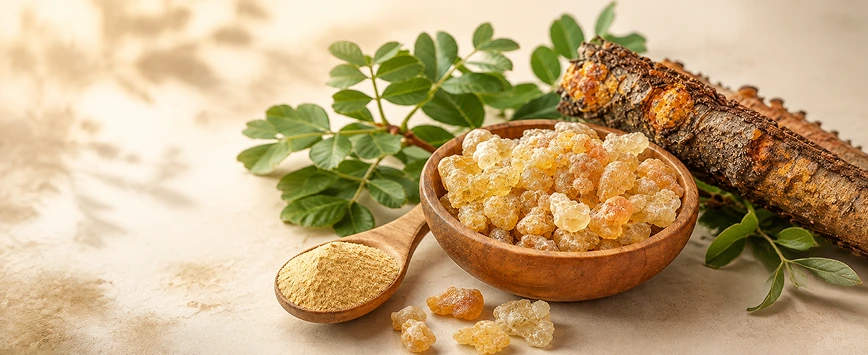
Boswellia (Shallaki): Proven Relief Without the Harsh Side Effects
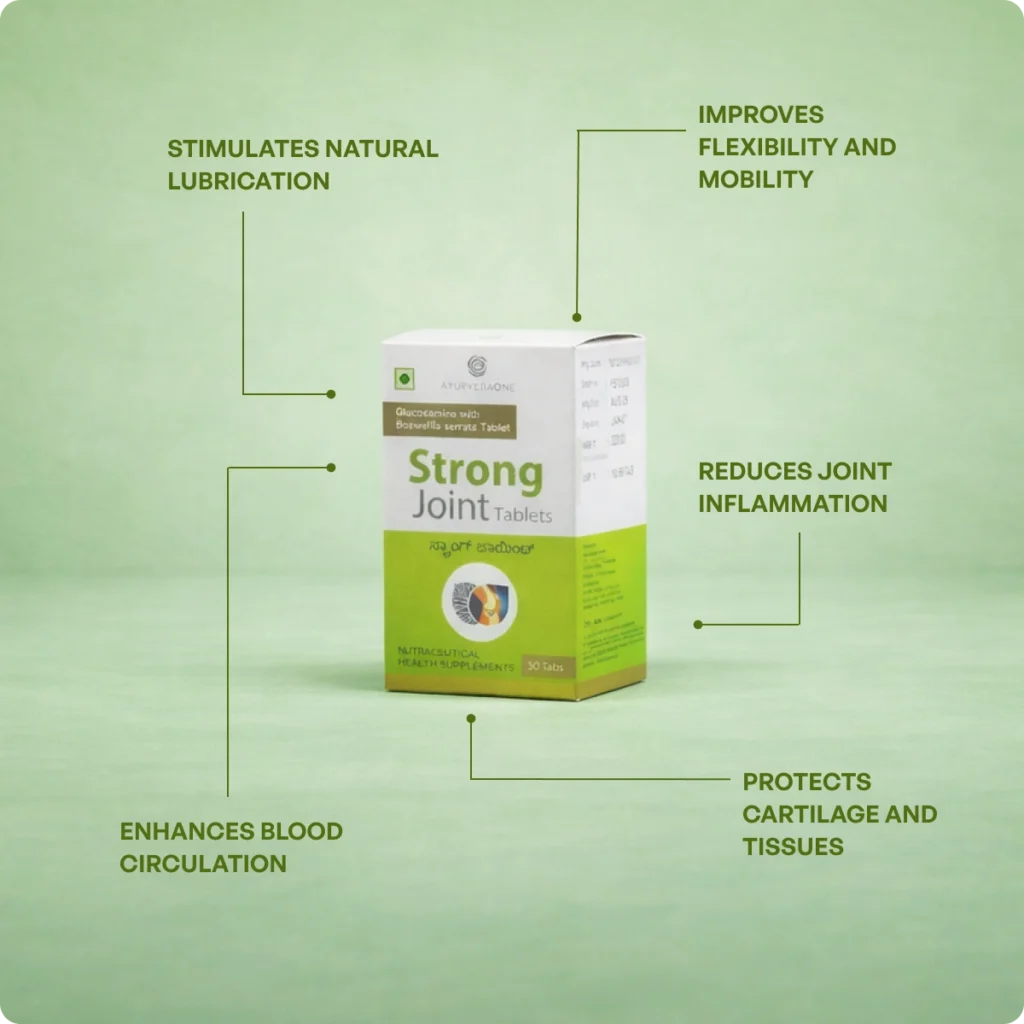
Boswellia is one of the best examples of an Ayurvedic remedy holding up under serious scientific scrutiny. Multiple randomized, placebo-controlled trials the same gold standard study design used to test conventional drugs have found that Boswellia extract meaningfully improves knee pain, stiffness, and joint function in people with osteoarthritis. What stands out just as much as the results is the safety data: across these trials, no serious adverse events were reported, even with continuous use over 90 to 120 days. That’s a notably cleaner safety record than what’s typically seen with long term NSAID use.
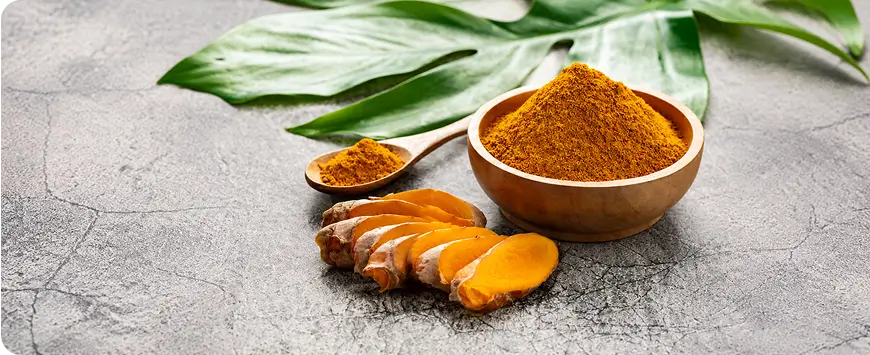
Turmeric (Curcumin): Anti Inflammatory Power with a Strong Safety Track Record
Turmeric’s active compound, curcumin, has been studied extensively for joint pain, and the safety profile is a big part of why it’s become such a trusted option. Clinical trials comparing curcumin (alone and combined with Boswellia) against placebo have consistently found meaningful improvements in joint pain and physical function, with a safety profile favorable enough that researchers have specifically highlighted it as a well-tolerated alternative for people who can’t rely on NSAIDs long term.
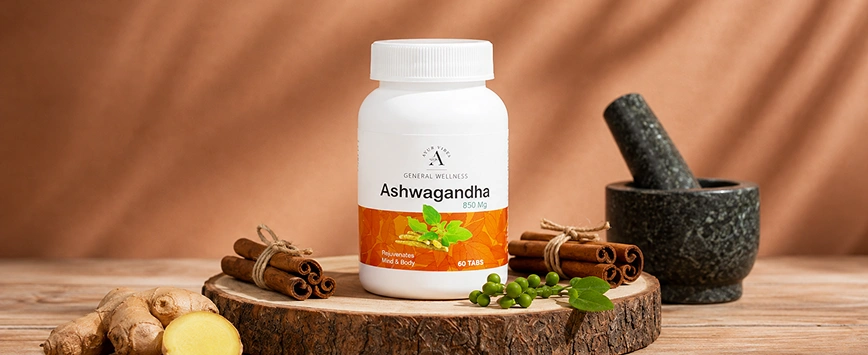
Ashwagandha: Supporting Muscle Recovery Gently and Effectively
For muscle related soreness and recovery, Ashwagandha has strong research behind it too. Clinical trials have shown it improves muscle strength, supports faster recovery after exertion, and helps reduce exercise related muscle damage and safety studies, including a 12-month observational trial, have found it well tolerated in healthy adults with a consistently good safety profile. This combination of genuine effectiveness and a clean tolerability record is exactly why it’s become such a popular addition to daily wellness routines, not just in Ayurveda but in general sports and recovery nutrition too.
What makes these remedies genuinely safer for every day, long term use
A few real reasons these herbs tend to be gentler than conventional painkillers for ongoing use:
- They work primarily by calming inflammation at its source, rather than simply blocking pain signals which tends to come with a gentler side effect profile
- Clinical trials have specifically tracked safety markers over weeks and months of continuous use, not just short-term pain relief
- Unlike NSAIDs, they haven’t shown the same association with stomach lining damage or kidney strain with regular use
- Many, like turmeric and ashwagandha, are also foods or food adjacent herbs your body already knows how to process
One Honest Caveat Worth Knowing
This safety profile applies specifically to standardized, well researched single herbs and extracts like the ones above not to every product labeled “Ayurvedic” on the market. Quality and sourcing matter a lot here. Stick to products from reputable manufacturers who test for purity, and be cautious of unregulated or unbranded powders, especially complex multi-ingredient formulations, which have occasionally been linked to contamination issues when not properly manufactured. If you’re on blood thinners or other regular medication, it’s also worth a quick check with a doctor or Ayurvedic practitioner, since even gentle herbs can interact with certain drugs.
Conclusion
Ayurvedic remedies for joint and muscle pain aren’t just “safe” because they’re traditional or natural they’re increasingly backed by real clinical evidence showing they work, and work without the tradeoffs that come with long term conventional painkiller use. Choosing well sourced, standardized products and using them as part of a consistent routine is what makes them a genuinely reliable option for everyday joint and muscle care.




 Blog
Blog

 Heart Health
 Joint Pain
 Women’s Health