Menopause is a natural life stage, but that doesn’t make hot flashes, disrupted sleep, mood swings, and fatigue any easier to live with. Up to 85% of women experience at least one noticeable menopause-related symptom, and while hormone therapy is one path, many women are looking for natural ways to ease this transition first or alongside other care. The encouraging part is that several traditional Ayurvedic herbs now have genuine clinical research behind them for exactly this.
Start with the Foundation: Diet, Sleep, and Movement
Before any herb, the basics matter enormously during this transition, largely because declining estrogen affects far more than just hot flashes it also accelerates bone loss and increases cardiovascular risk, both of which respond well to lifestyle habits.
A few things worth prioritizing:
- Include calcium and vitamin D-rich foods daily (sesame seeds, leafy greens, dairy, or a supplement if needed) to support bone health during a phase when bone density naturally declines
- Stay physically active with a mix of weight-bearing exercise and gentle movement like walking or yoga, both shown to ease symptoms and protect bone and heart health
- Prioritize consistent sleep, since disrupted sleep and hot flashes often feed into each other
- Reduce caffeine and spicy food if hot flashes are a major issue, since both can act as triggers for some women
- Keep meals cooling and easy to digest fresh fruit, cucumber, coconut water, and warm (not too hot or spicy) meals
Shatavari: The Best-Researched Herb for Menopausal Symptoms
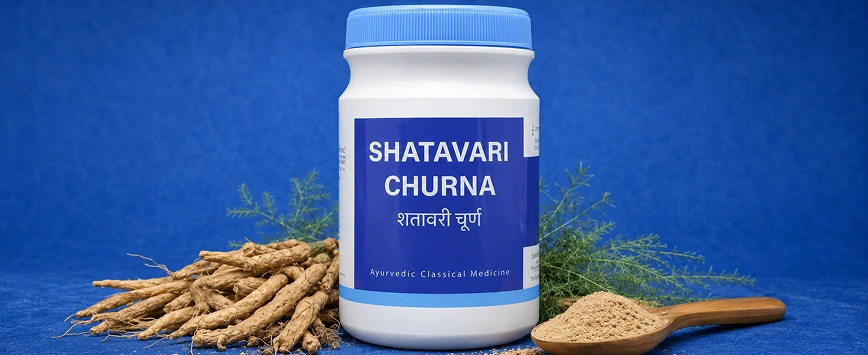
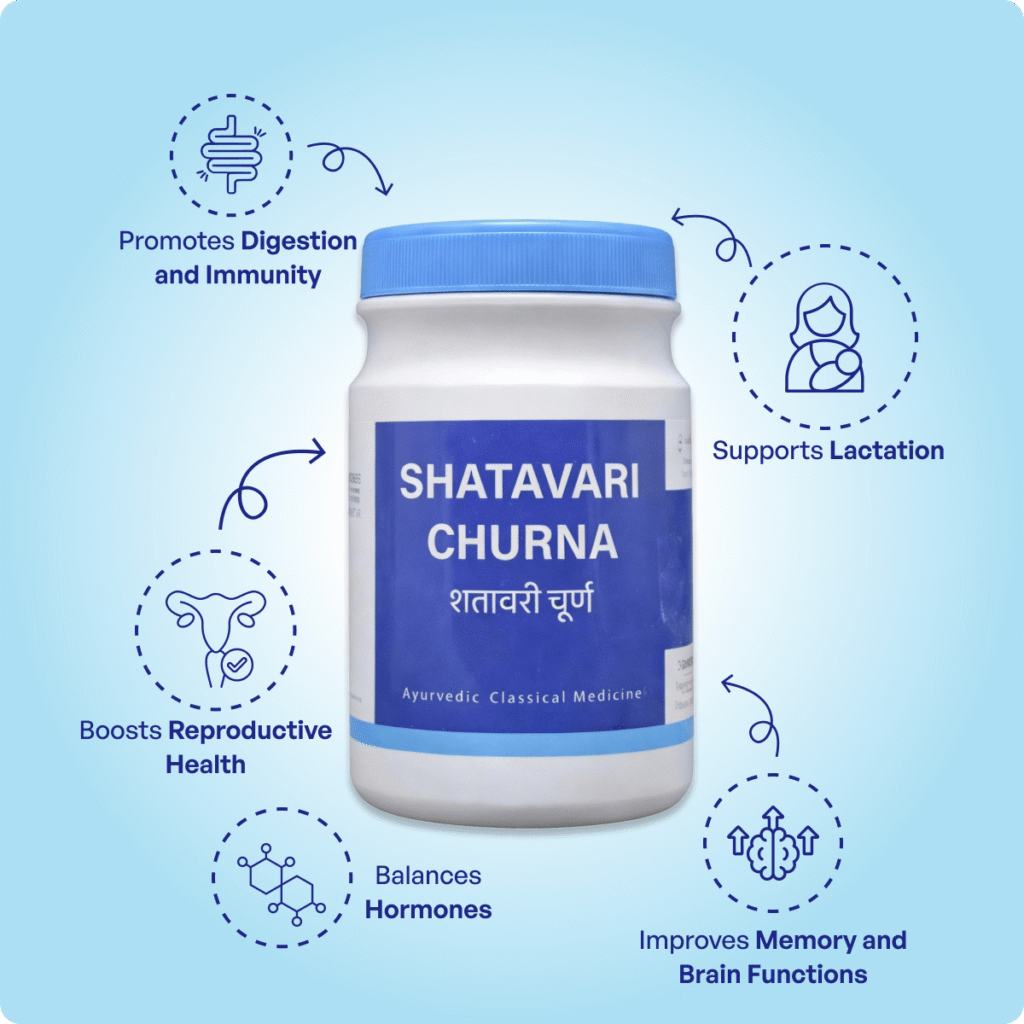
Shatavari has the strongest and most recent clinical backing of any Ayurvedic herb for menopause. In a randomized, placebo-controlled trial, women taking a standardized Shatavari extract saw significant improvement in hot flashes, night sweats, insomnia, anxiety, and vaginal dryness, along with a meaningful boost in overall quality of life and no significant adverse events were recorded. Other recent trials have found similarly strong results, with one showing more than a 70% improvement in hot flashes and fatigue at higher doses, alongside measurable changes in hormone levels.
It’s a herb that works well as a simple daily tablet, making it easy to stay consistent with.
Ashwagandha: Support for Symptoms, Sleep, and Bone Health
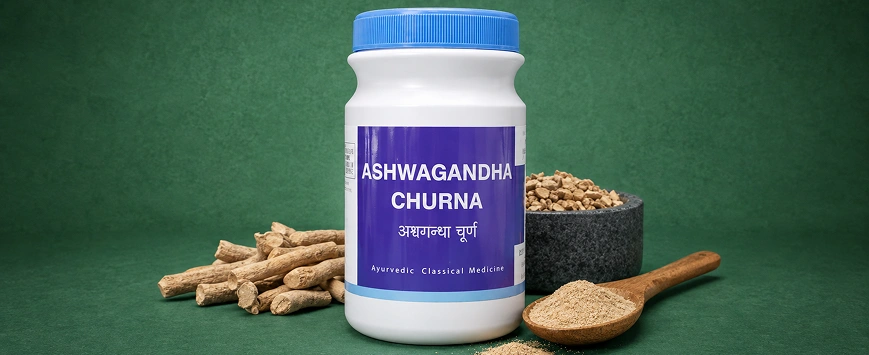
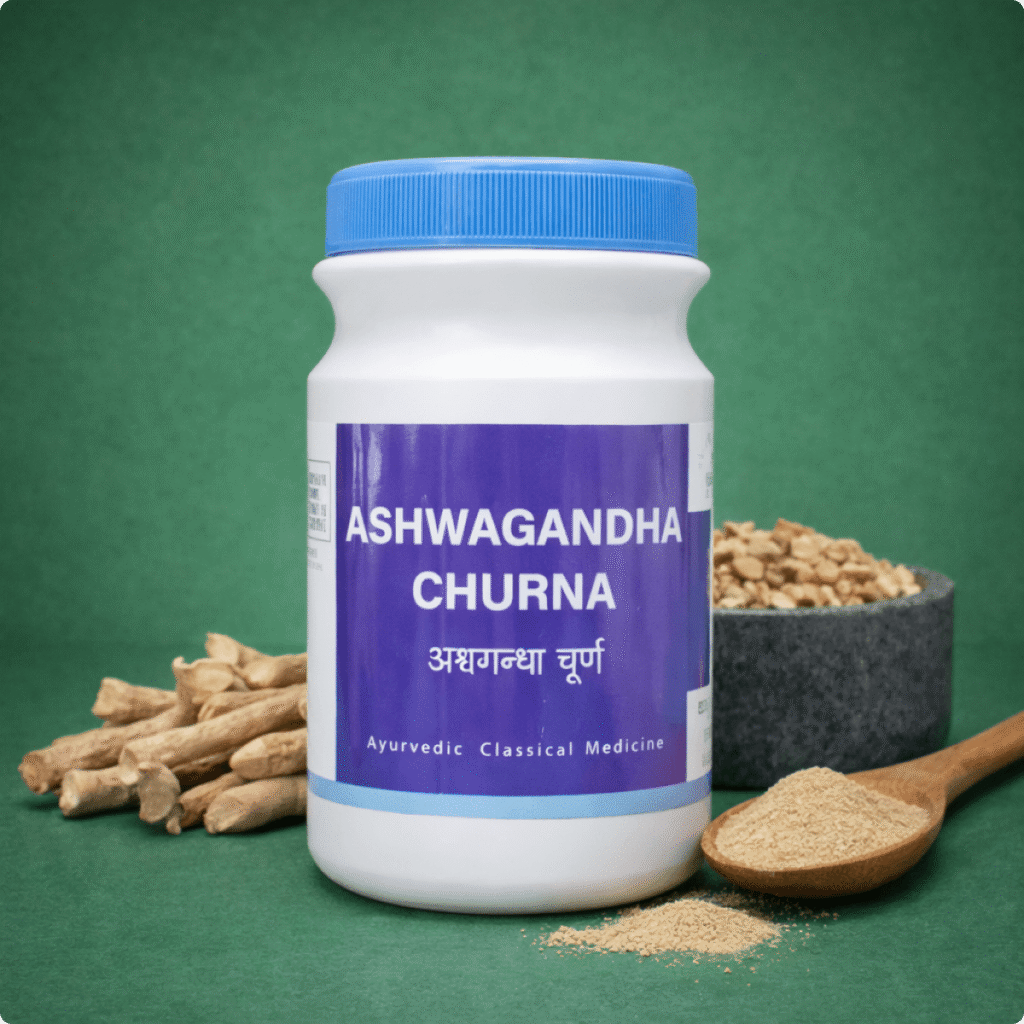
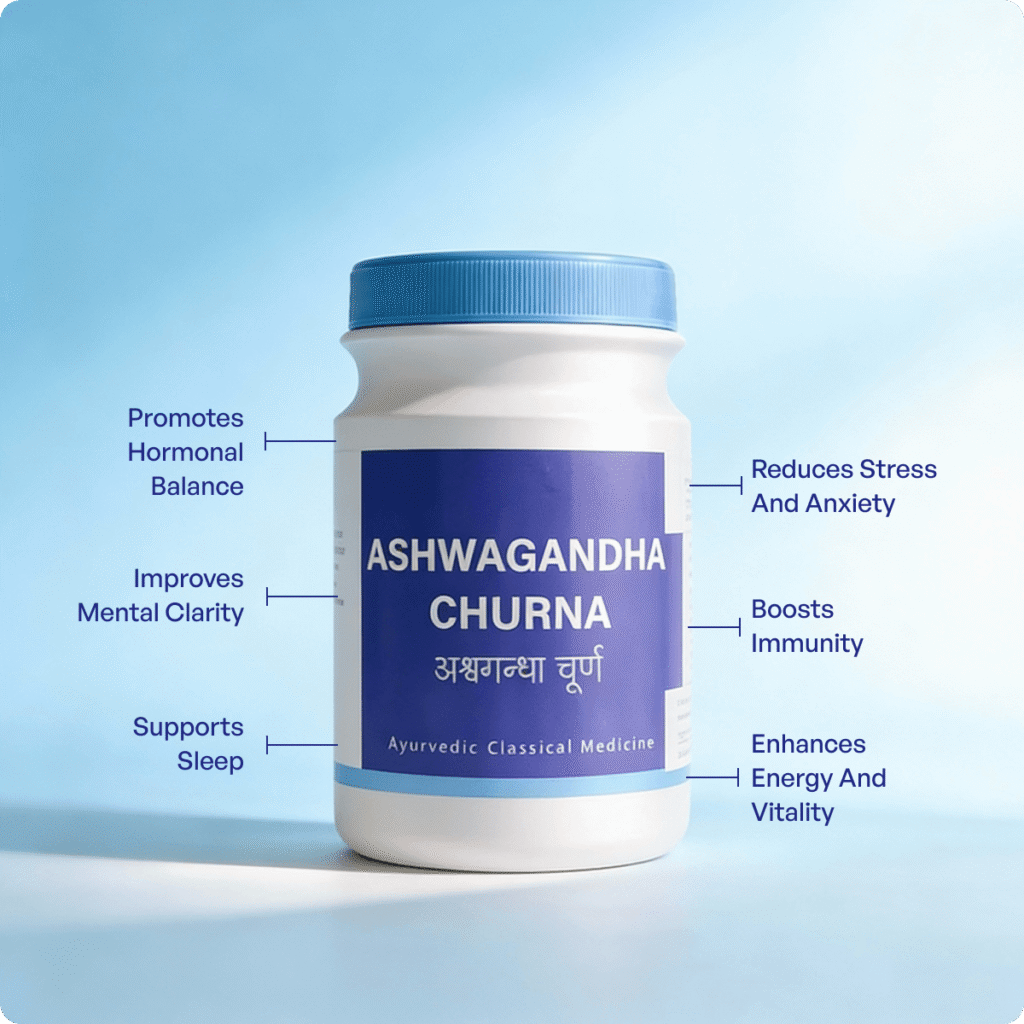
Ashwagandha‘s role in menopause has been specifically studied too, and the results go beyond stress relief. Clinical trials have found it significantly improves hot flashes and overall menopausal symptom scores within just weeks, without adverse effects. What makes it particularly useful during menopause is a broader effect researchers have observed: alongside symptom relief, ashwagandha has been shown to reduce inflammation and oxidative stress markers linked to the vascular and bone decline that happens after estrogen drops directly relevant to the two biggest long-term health risks of this life stage.
Some research has also looked at combining Shatavari and Ashwagandha together, finding dose-dependent improvements in symptoms, vascular function, and bone turnover markers when taken together making this a particularly well-matched pair for daily use during menopause.
Triphala: Gut and Inflammation Support Through the Transition
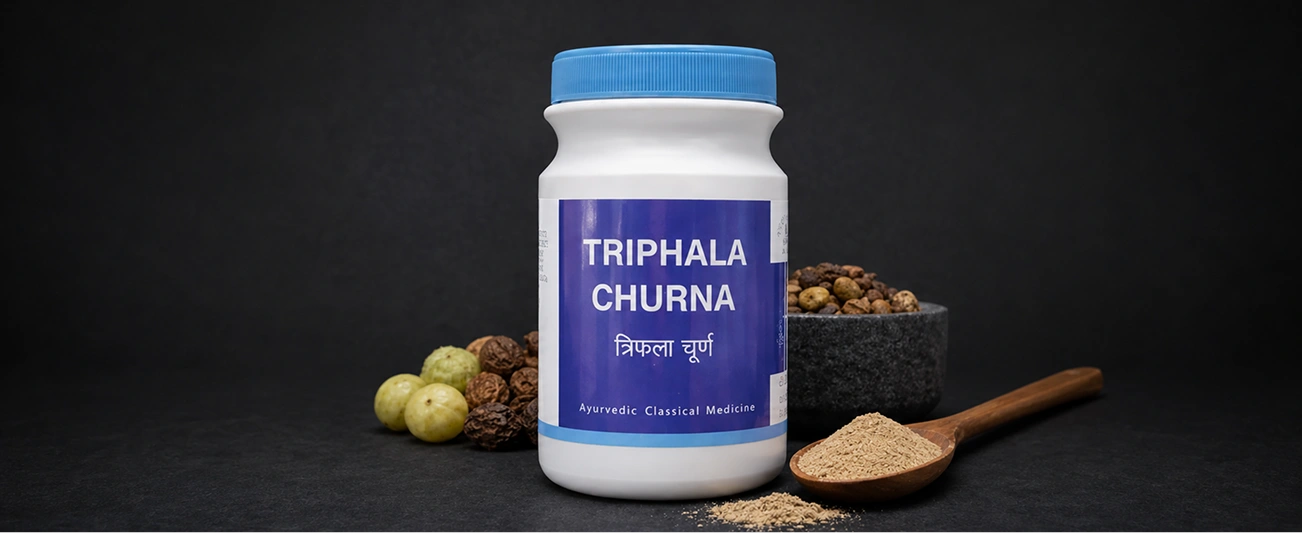
Perimenopause and menopause often bring slower digestion, constipation, and bloating as estrogen declines, and Triphala has well-established evidence for easing exactly this improving bowel regularity, reducing hyperacidity, and lifting one layer of daily discomfort off women already dealing with hot flashes and disrupted sleep. It also supports a healthy gut microbiome by boosting beneficial bacteria like Lactobacillus and Bifidobacteria while suppressing less desirable ones, which matters here since gut health plays a role in metabolizing and recycling the body’s remaining estrogen through what’s called the “estrobolome.” On top of that, its rich polyphenol content gives it consistent antioxidant and anti-inflammatory activity, helping the body manage the oxidative stress and low-grade inflammation that rise with declining estrogen and contribute to joint aches, fatigue, and slower recovery during this stage.
Building a Daily Menopause-Support Routine
- Anchor your day with calcium and protein-rich meals, and stay consistently active
- Take a Shatavari-based tablet daily as a foundation for symptom support
- Consider adding Ashwagandha, especially if stress, poor sleep, or anxiety are prominent symptoms alongside hot flashes
- Keep a consistent wind-down routine at night to protect sleep quality
- Track your symptoms loosely over a few weeks’ herbs tend to build benefit gradually rather than instantly
When to Loop in a Doctor
Ayurvedic support works well for easing day-to-day symptoms, but menopause is also a life stage where certain things genuinely need medical attention rather than herbs alone:
- A bone density (DEXA) scan is worth discussing with your doctor, since bone loss accelerates significantly during this transition and often has no symptoms until a fracture happens
- Cardiovascular risk factors (blood pressure, cholesterol) are worth monitoring more closely post-menopause, since heart disease risk rises after estrogen decline
- If hot flashes, mood changes, or sleep disruption are severe enough to significantly affect daily life or work, it’s worth discussing hormone therapy or other medical options alongside natural support
- Any unusual bleeding after menopause needs prompt medical evaluation, since this is never considered normal and should always be checked
Herbal support and hormone therapy aren’t mutually exclusive many women use both or use herbs as a first step before deciding if more is needed. Either way, this is a good stage of life to be proactive with a doctor rather than reactive.


 Blog
Blog

 Heart Health
 Joint Pain
 Women’s Health