Have you been trying to conceive and wondering why is it taking longer than expected? When months pass without answers, frustration can build quickly. You may start questioning hormones, stress, lifestyle, or whether something is wrong.
If so, you’re not alone in looking for a more holistic approach. Ayurvedic medicine for female fertility focuses on nourishment, balance, and overall reproductive health rather than quick fixes. It aims to create the right internal environment for conception by supporting the body, mind, and digestion.
In this blog, we’ll explore how Ayurveda supports fertility and what that approach can look like in practice.
How Ayurveda Understands Female Fertility
Ayurveda views fertility as a reflection of overall health. Reproductive wellbeing is closely connected to digestion, sleep, stress levels, and daily habits rather than being treated as an isolated concern.
At the centre of this approach is Artava Dhatu, the body’s reproductive tissue. Healthy reproductive tissues, balanced hormones, and regular menstrual cycles are considered important for conception.
Ayurveda also looks at the balance of the three doshas:
- Vata supports ovulation and reproductive movement.
- Pitta regulates metabolism and hormonal processes.
- Kapha nourishes and supports reproductive tissues.
Digestion plays an important role too. According to Ayurveda, poor digestion can lead to the accumulation of Ama or toxins, which may disrupt the body’s natural balance.
This is why Ayurvedic medicine for female fertility focuses on supporting the body as a whole and creating the right conditions for conception.
Common Factors That May Affect Female Fertility
Fertility challenges are often influenced by several factors rather than a single cause. Some of the most common include:
- Hormonal imbalance
- Irregular menstrual cycles
- Chronic stress
- Poor nutrition
- Digestive issues
- Inadequate sleep
- Weight fluctuations
- Too little or too much physical activity
- Reproductive health concerns and infections
Stress can affect hormones, sleep, energy, and menstrual health. Persistent vaginal discharge, including leucorrhoea, may also signal an underlying imbalance. That is why ayurvedic medicine for female fertility focuses on overall health, not just one symptom.
Ayurvedic Herbs and Formulations for Female Fertility Support
Ayurveda uses different herbs to support different aspects of reproductive health, including hormonal balance, ovulation, uterine health, and stress management.
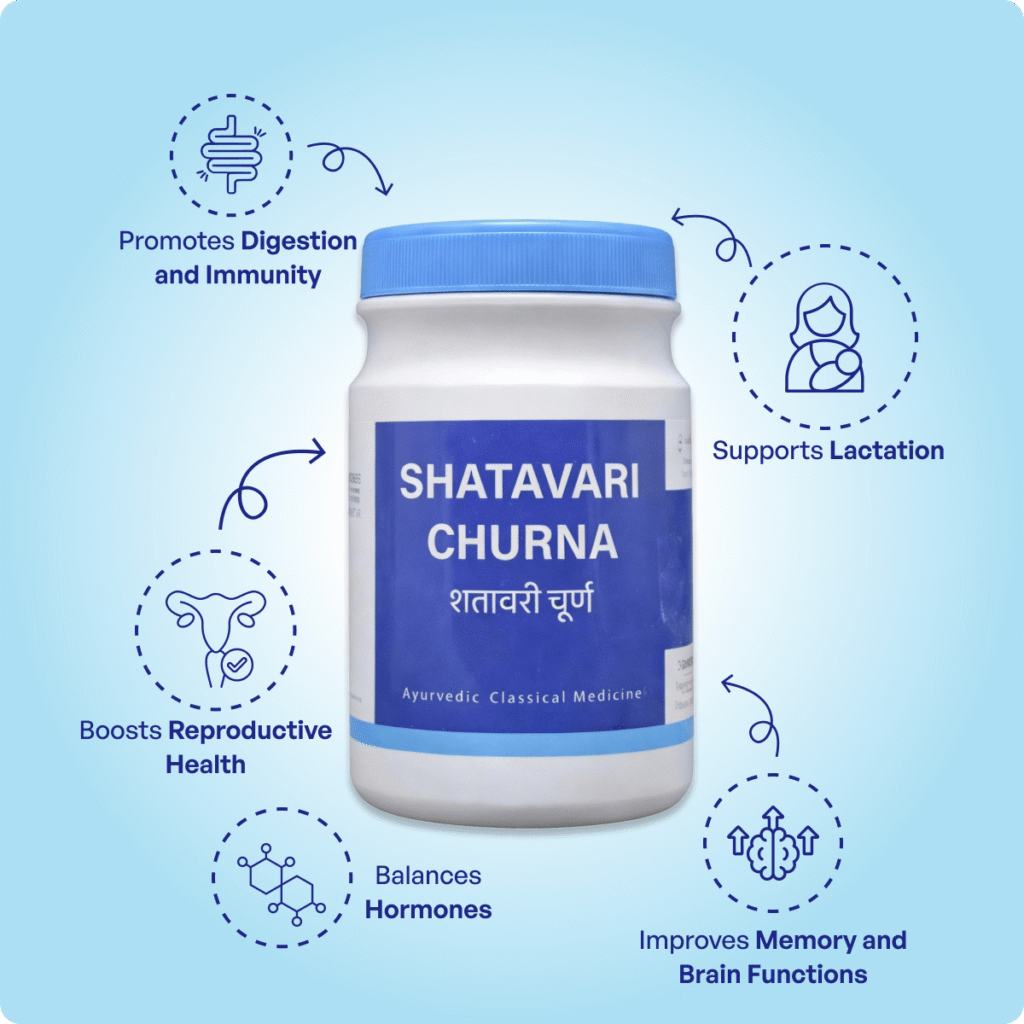
1. Shatavari
If your cycle feels irregular, your body feels depleted, or you want gentle reproductive nourishment, Shatavari is traditionally used to support hormonal balance and ovulation.
You can find it as Shatavari Churna or in capsule form, usually taken with milk or warm water.
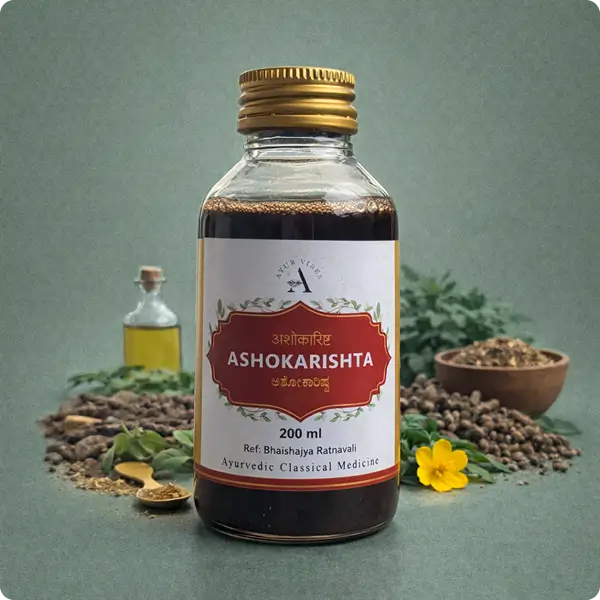
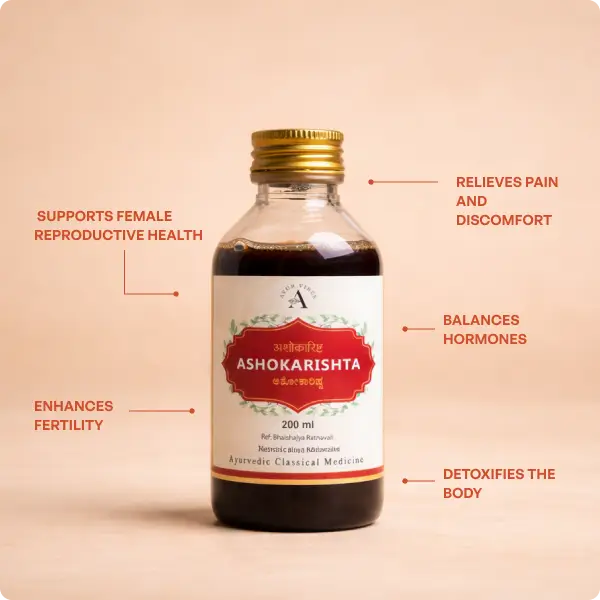
2. Ashoka
If you are dealing with menstrual irregularity, discomfort, or a sense that your cycle is not as steady as it should be, Ashoka is traditionally used to support uterine health and menstrual regularity.
It is available as Ashokarishta, a classical Ayurvedic formulation, as well as in powder form.
3. Lodhra
If you want support for uterine health and a healthy reproductive environment, Lodhra is traditionally used for this purpose.
It can be taken as Lodhra Churna or as part of women’s health formulations.
4. Shivalingi Beeja
If you are looking for natural fertility support, Shivalingi Beeja is traditionally associated with ovulation support and conception.
Rather than being used alone, it is often included in fertility-focused formulations.
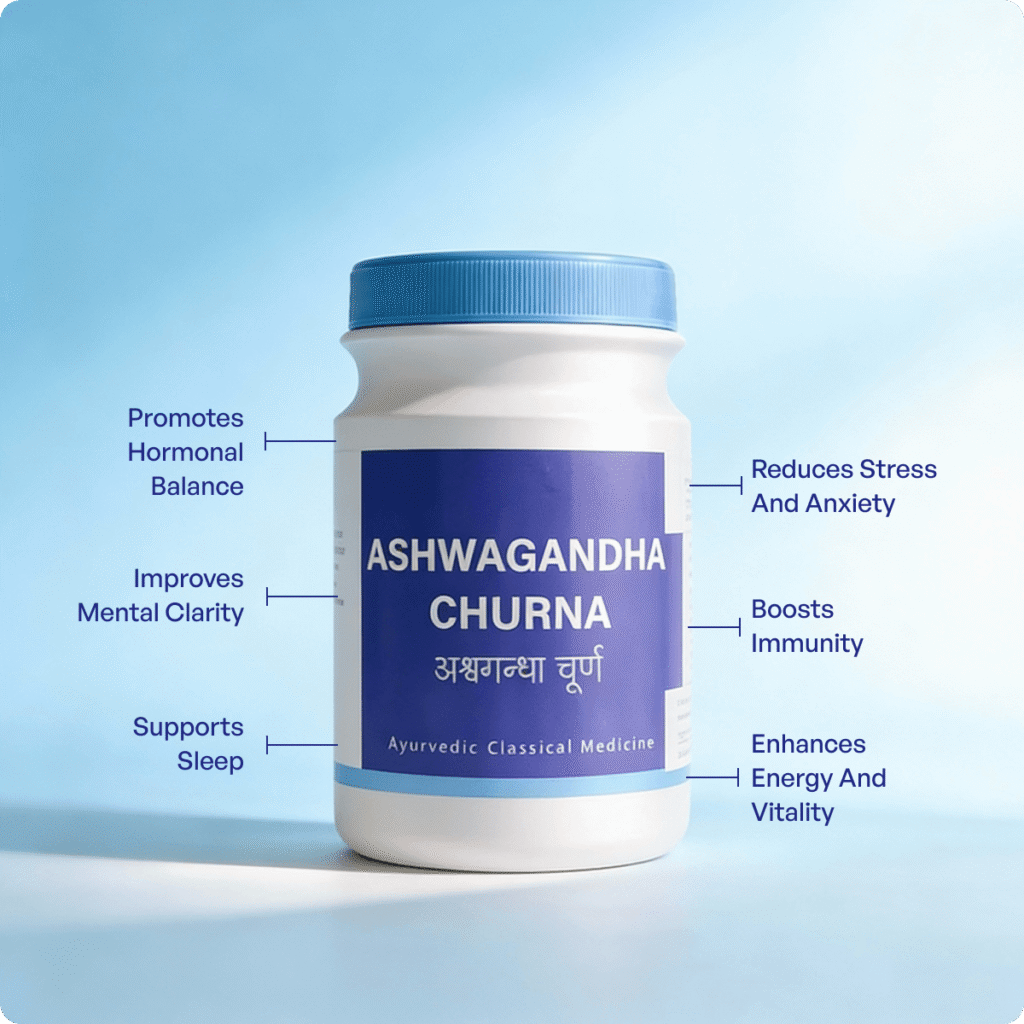
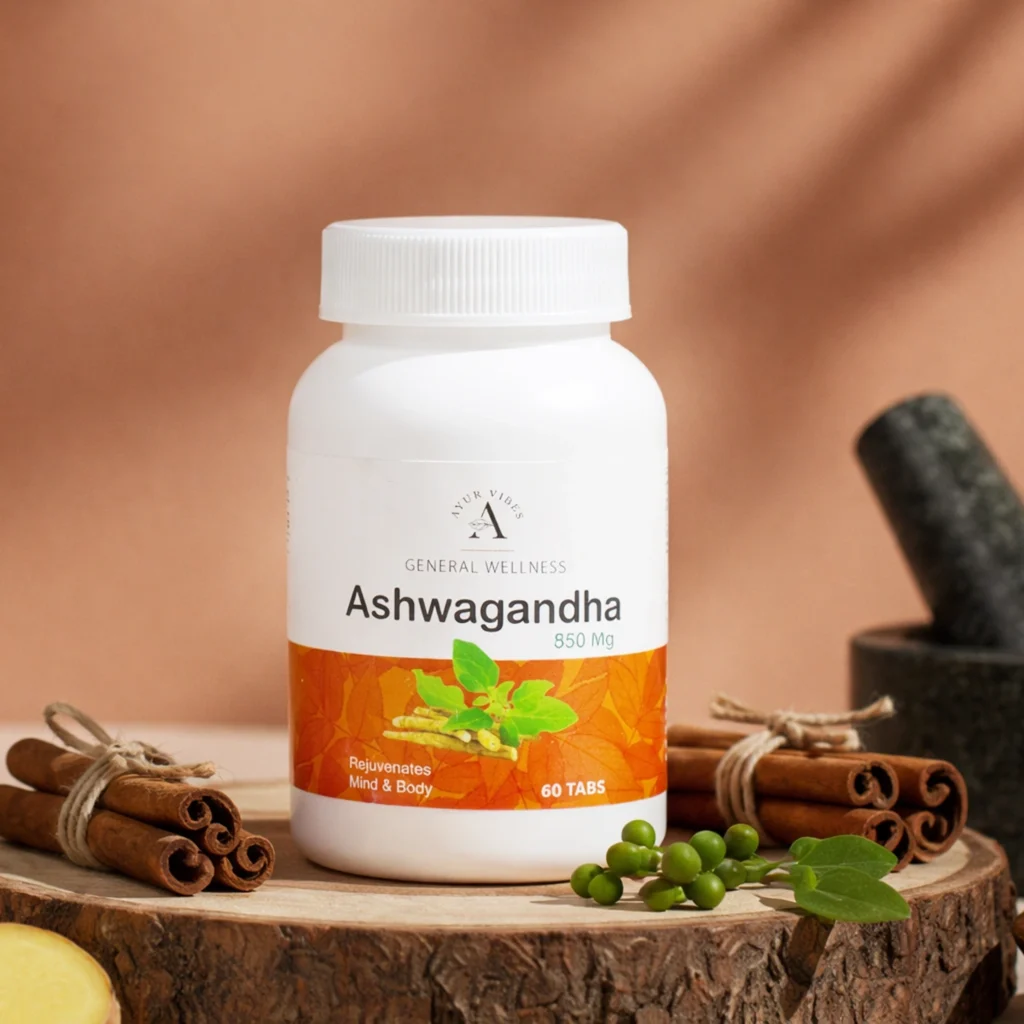
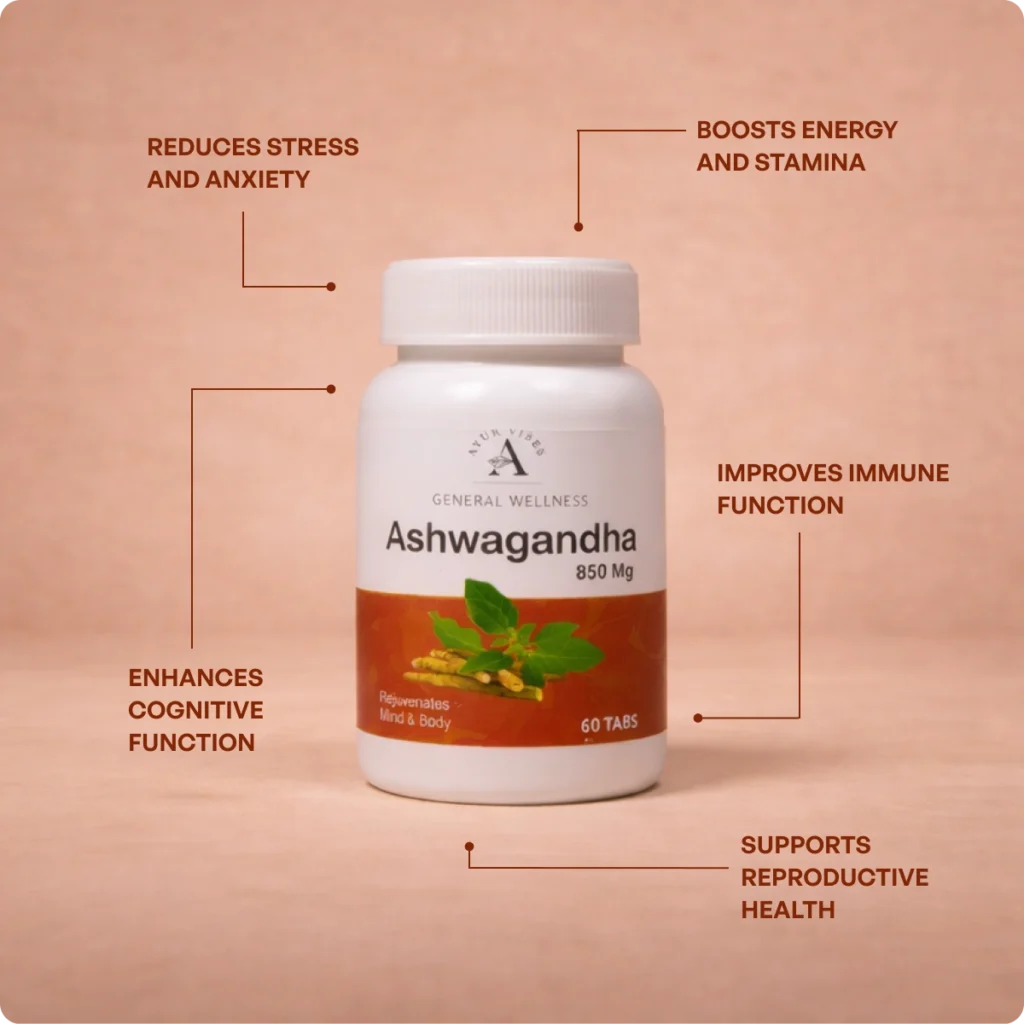
5. Ashwagandha
If stress, low energy, or poor sleep are affecting your overall wellbeing, Ashwagandha may be helpful as part of your fertility support plan.
Powder, tablet, and capsule forms are all widely available depending on individual preference and recommendations.
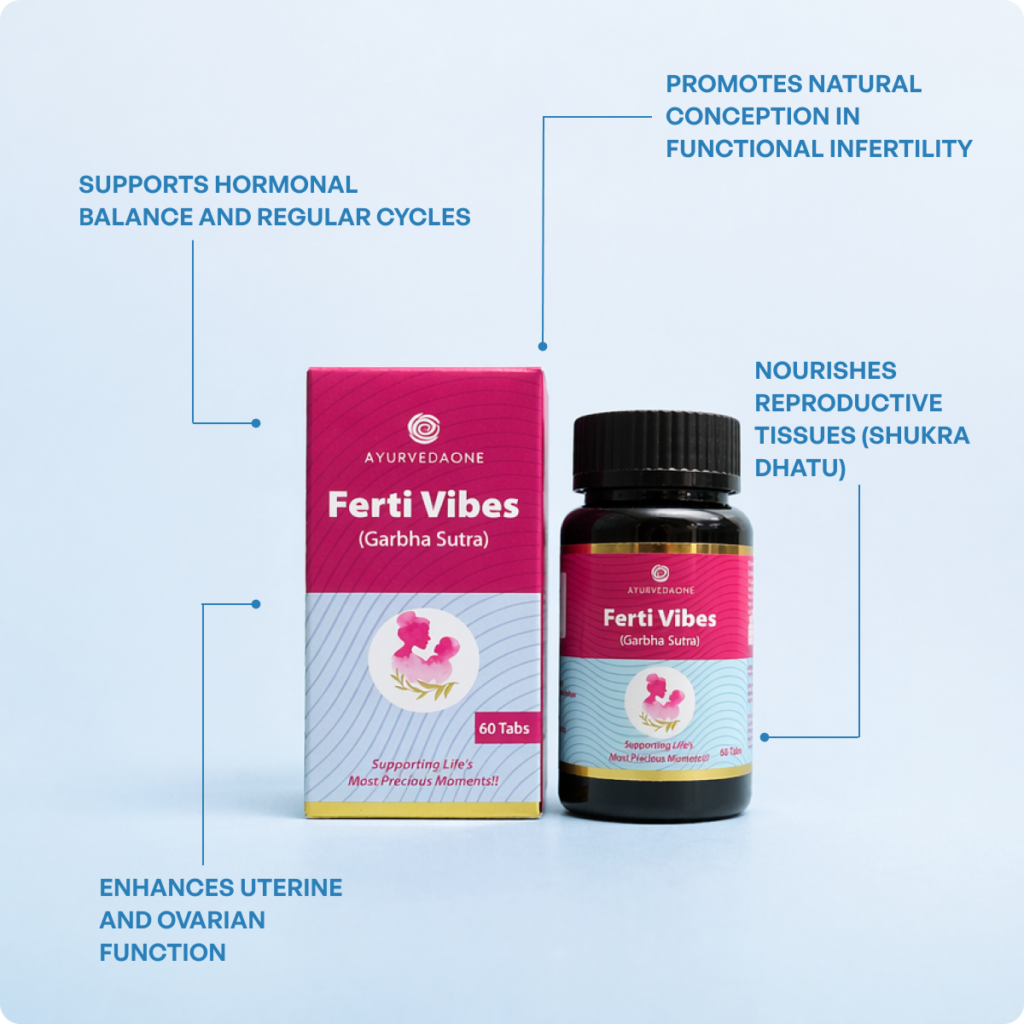
6. Ferti Vibes
If you want a more comprehensive Ayurvedic option, Ferti Vibes combines Ashoka, Lodhra, and Shivalingi Beeja to support uterine health, endometrial health, hormonal balance, and natural conception.
As a ready-made fertility formulation, it offers support from multiple angles in a single product.
The right herb or formulation depends on your symptoms, menstrual history, and overall reproductive health, which is why personalised guidance is often recommended.
Can Ayurvedic Medicine for Leucorrhoea Support Reproductive Health?
Yes. Ayurvedic medicine for leucorrhoea may help manage discharge and support vaginal and reproductive health. One commonly used herb is Lodhra, which is traditionally used to help reduce excessive discharge and support tissue health.
Leucorrhoea doesn’t usually cause infertility on its own, but persistent discharge caused by infection, inflammation, or hormonal imbalance should be treated. If you’ve got ongoing discharge, an unusual odour, itching, irritation, or discomfort, seek guidance from a qualified practitioner.
Lifestyle Practices Ayurveda Recommends for Fertility Support
Ayurveda places as much importance on daily habits as it does on herbs and supplements. Simple lifestyle changes can help create a healthier environment for conception.
Some commonly recommended practices include:
- Eating fresh, nourishing meals
- Supporting digestive health
- Getting adequate sleep
- Staying physically active through activities such as walking or yoga
- Managing stress through meditation or breathing exercises
- Limiting highly processed foods
The goal is not perfection but consistency. Small habits followed regularly often make the biggest difference over time.
When Should You Seek Professional Guidance?
While natural fertility support can be helpful, some situations require a closer look.
Consider seeking professional guidance if you experience:
- Difficulty conceiving after prolonged attempts
- Irregular menstrual cycles
- Severe menstrual symptoms
- Recurrent infections or vaginal discharge
- Suspected hormonal concerns
- Previous reproductive health complications
Ayurvedic fertility care is highly personalised. Your symptoms, menstrual history, lifestyle, stress levels, and overall health all influence which herbs, formulations, and lifestyle changes may be most suitable for you.
Fertility is shaped by more than hormones or the reproductive system alone. Digestion, sleep, stress, nutrition, and menstrual health all influence the body’s readiness for conception. This is why ayurvedic medicine for female fertility focuses on supporting the whole person rather than a single symptom.
If you’re considering Ayurvedic support for fertility, professional guidance can help you understand which herbs, formulations, and lifestyle changes are most suitable for your needs. A personalised approach often provides far more clarity than trying to navigate the journey alone. Explore the holistic wellness solutions offered by Ayurveda One and browse our Shop to discover authentic Ayurvedic formulations that support your health journey. A personalised approach often provides far more clarity than trying to navigate the journey alone.









 Blog
Blog

 Heart Health
 Joint Pain
 Women’s Health