An anal fissure small tear in the delicate skin around the anus, is far more common than people realize, and far more uncomfortable than its size suggests. The sharp pain during and after bowel movements, sometimes along with a bit of bleeding, can make something as routine as going to the toilet genuinely dreadful. The good news is that most fissures heal well with simple, consistent care, and several Ayurvedic remedies have real evidence behind them for easing pain and speeding up healing.
Start With Soft, Easy Bowel Movements
This is the single most important step, and everything else works better once this is in place. Fissures happen and reopen when stools are hard and require straining to pass. Breaking that cycle is the real key to healing.
A few things that help immediately:
- Add more fibre gradually through the day: cooked vegetables, oats, papaya, soaked dried fruits like raisins or figs
- Drink enough water consistently, not just when you feel thirsty
- Have a light glass of buttermilk with roasted cumin after meals, which supports easier digestion
- Take Triphala at night, a traditional and well-regarded way to gently regularize bowel movements without harsh straining
Research backs this up clearly: a high-fibre approach has been shown to effectively resolve the large majority of acute fissures within a few weeks, and sticking with it longer helps prevent them from coming back.
Warm Sitz Baths: Simple, Soothing, and Genuinely Effective
If there’s one home remedy worth doing without fail, it’s this. Sitting in a few inches of plain warm water for 10-15 minutes, once or twice a day and especially after bowel movements, relaxes the anal muscles, eases spasms, and keeps the area clean.
This isn’t just traditional wisdom — clinical research supports it well. In one study, patients using sitz baths alongside fibre reported meaningful pain relief in the large majority of cases, and healing rates with this kind of conservative, at-home care have consistently been strong for fissures caught early.
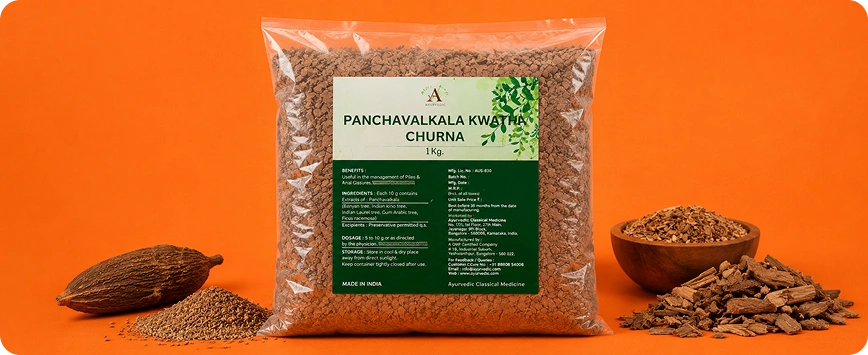
For faster healing, Ayurveda often takes plain sitz baths a step further with Panchavalkala Kwatha — a decoction made from the bark of five medicinal trees. It’s one of the most well-established additions in Ayurvedic wound-care protocols, valued for its antimicrobial and tissue-healing properties, and clinical studies on anorectal wound care have used it specifically because it seems to support cleaner, faster healing compared to plain water alone. It’s commonly used both for fissures and for other anorectal healing needs, which speaks to how consistently practitioners have relied on it.
If preparing a bark decoction at home isn’t practical, ready-to-use Panchavalkala Kwatha concentrates (hyper link panchavalkala kwath product here) (just add to warm water) are available and make this easy to incorporate into a daily sitz bath routine without extra prep.
Aloe Vera and Ghee: Gentle, Cooling Relief for the Area
For the burning and irritation itself, Ayurveda has long turned to cooling, soothing applications — and this is one area where traditional practice and modern skin-healing science line up well. A small amount of pure aloe vera gel applied gently to the area can ease burning and support tissue repair. Plain cow’s ghee, applied topically, is another traditional favourite for its soothing, lubricating properties, which help protect the fragile healing skin from further friction.
Yashtimadhu (Licorice): Support From the Inside Out
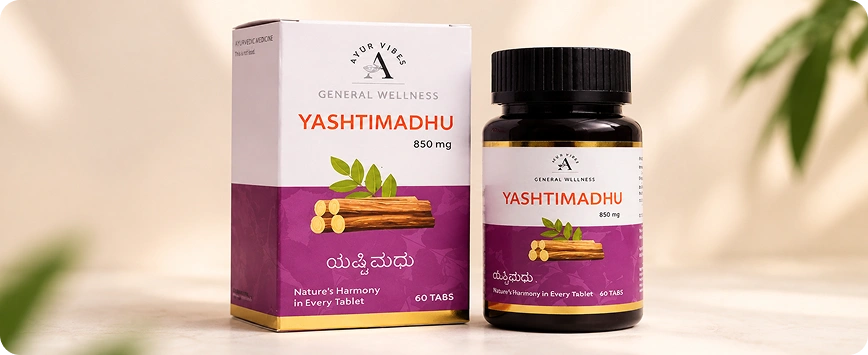
Yashtimadhu, or licorice root, plays a dual role here. Taken internally, it has a gentle lubricating effect on the digestive tract that makes bowel movements easier and less traumatic to the healing tissue. Research has also specifically reviewed its wound-healing properties, and found meaningful anti-inflammatory and antioxidant effects that support the case for its traditional use in fissure care.
Jatyadi Taila: A Traditional Oil for Topical Healing
For more targeted relief, Jatyadi oil is one of the most widely used Ayurvedic oils specifically for wound healing, including fissures. It’s traditionally applied gently to the area using a soft cotton swab. Its blend of antiseptic and anti-inflammatory herbs is intended to protect the tear from infection while supporting the skin’s natural healing process.
Small Daily Habits That Make a Real Difference
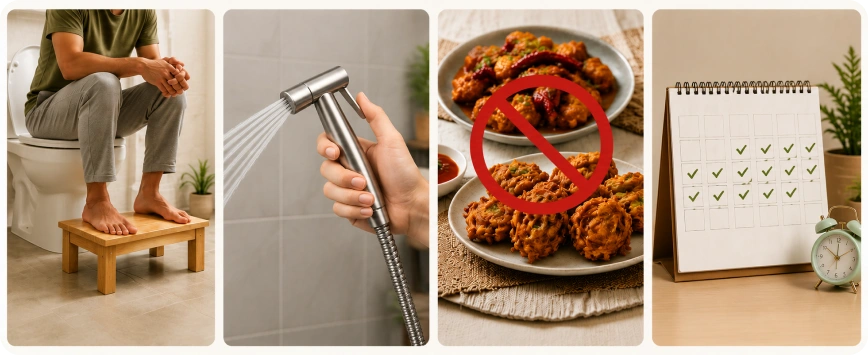
- Avoid straining — a small footstool to slightly elevate your feet while on the toilet can help you sit in a more natural position
- Wipe gently, or better yet, rinse with plain water instead of using dry toilet paper
- Steer clear of very spicy or fried food while healing, as it can aggravate irritation
- Stay consistent — most acute fissures heal within four to six weeks with steady care, and stopping treatment too early is one of the most common reasons they come back
Most fissures are genuinely manageable with the steps above, but it’s important to know when this needs medical attention:
- If pain or bleeding hasn’t improved after two to three weeks of consistent home care
- If the fissure has lasted more than eight weeks (this is considered chronic and usually needs a doctor’s involvement)
- If bleeding is heavy, or you notice blood mixed into the stool itself rather than just on the surface
- If you develop fever, or notice swelling, pus, or a foul smell near the area, which can indicate infection
- If pain is severe enough to disrupt daily life
Chronic fissures often need more targeted treatment — topical prescription medication or, in some cases, a minor procedure — and waiting too long with home remedies alone can let the problem drag on unnecessarily. There’s no shame in needing that next step; the goal of home care is genuine healing, not avoiding a doctor at all costs.



 Blog
Blog

 Heart Health
 Joint Pain
 Women’s Health