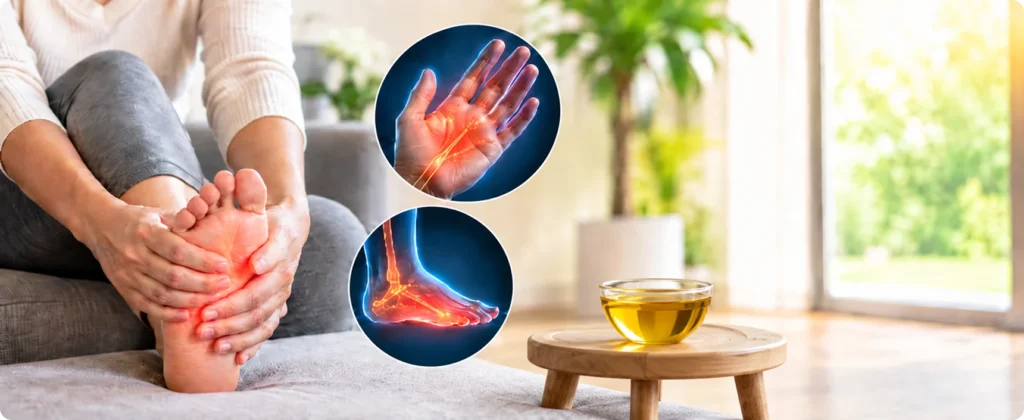
That strange “pins and needles” feeling in your feet or hands can be easy to dismiss. Maybe your foot has gone numb after sitting too long, or your hand feels prickly after sleeping in an awkward position. But when the sensation keeps returning, lasts longer than usual, or is accompanied by burning, numbness or weakness, it deserves attention.
The medical term for this type of symptom can be paresthesia, and it may occur for several reasons, including nerve compression, diabetes, vitamin deficiencies, certain medications, alcohol use or peripheral nerve problems.
The National Institute of Diabetes and Digestive and Kidney Diseases (NIDDK) notes that peripheral neuropathy can cause tingling, burning, numbness and pain in the feet, legs, hands and arms.
Ayurveda can be considered as a complementary approach focused on lifestyle, diet, movement, massage and individualized care.
What Causes Tingling Sensation in Feet and Hands?
Before discussing Ayurvedic approaches, it is important to understand that tingling is a symptom, not a diagnosis.
A temporary tingling sensation can happen when pressure is placed on a nerve – for example, after sitting with your legs crossed for too long. Once the pressure is removed, normal sensation usually returns.
Persistent symptoms may have other causes, such as:
- Peripheral neuropathy
- Diabetes or prolonged high blood glucose
- Vitamin B12 deficiency
- Nerve compression such as carpal tunnel syndrome
- Thyroid problems or kidney problems
- Certain medications
- Excessive alcohol consumption
- Nerve injuries
- Circulatory problems
Diabetes is particularly important because prolonged high blood glucose can damage nerves and the small blood vessels that supply them.
If the tingling is recurring, a healthcare professional may recommend checking blood
How Ayurveda Views Tingling and Nerve Discomfort
Ayurveda approaches health through an individualized system involving dosha balance, digestion, lifestyle, diet and daily routines.
In traditional Ayurvedic thinking, sensations such as tingling, dryness, variable pain and irregular symptoms may be associated with an imbalance involving Vata dosha. However, this traditional framework should not be treated as a modern medical diagnosis of nerve disease.
The practical takeaway is that Ayurvedic care often emphasizes regular routines, appropriate nutrition, gentle movement, relaxation and external therapies such as massage.
The goal should be to support overall wellbeing while the underlying medical cause is properly assessed.
1. Consider Gentle Abhyanga Massage
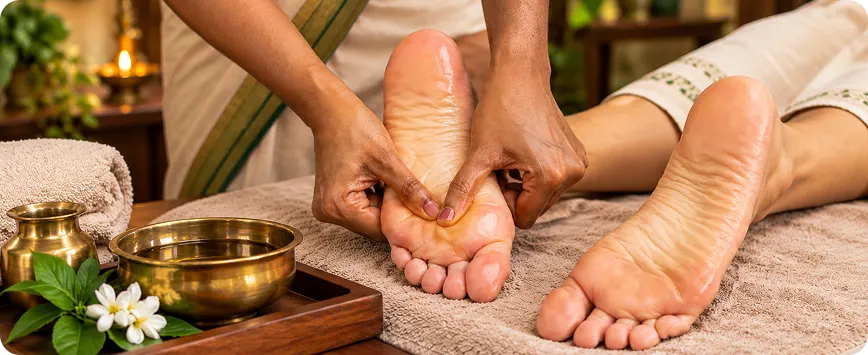
One traditional practice is Abhyanga, or oil massage.
A gentle massage of the hands and feet may promote relaxation and improve awareness of the affected areas. Traditionally used oils can include sesame oil, although the choice should be individualized by a qualified Ayurvedic practitioner.
For a simple routine, a small amount of comfortably warm oil can be applied to the feet and massaged using gentle circular movements. Avoid vigorous pressure if you have reduced sensation.
This last point is especially important for people with diabetes. Reduced sensation can make it difficult to notice burns, cuts or blisters, and the CDC recommends regular foot checks for people at risk of diabetic nerve damage.
2. Focus on a Nutrient-Rich Diet
Your nerves need adequate nutrition to function properly.
Instead of relying on a single “nerve-strengthening” food, build meals around a variety of nutrient-dense foods. Depending on your dietary needs, this can include:
- Green leafy vegetables
- Whole grains
- Pulses and legumes
- Nuts and seeds
- Fresh vegetables
- Fruits in appropriate portions
- Protein-rich foods
- Foods containing vitamin B12
Vitamin deficiencies, particularly B12 deficiency, can contribute to neurological symptoms. However, taking supplements without knowing your nutritional status is not always appropriate.
If you regularly experience tingling, ask your healthcare professional whether nutritional testing is appropriate for you.
3. Make Movement Part of Your Routine
Long periods of sitting can contribute to stiffness, pressure on nerves and poor mobility.
Gentle walking, stretching, yoga and mobility exercises can help you stay physically active. The activity should match your age, fitness level and medical condition. People who also experience stiffness or mobility discomfort may find it useful to understand AyurvedaOne’s broader guidance on Ayurvedic approaches to joint pain and mobility.
Try breaking up long periods of sitting by standing and moving around periodically.
For people with diabetes, physical activity is also an important part of overall disease management. The CDC recommends staying physically active alongside appropriate medical care and blood glucose management.
4. Practise Gentle Yoga and Breathing Exercises
Stress does not necessarily cause neuropathy, but it can make discomfort feel more difficult to manage.
Gentle yoga, breathing exercises and meditation may help create a calmer daily routine. AyurvedaOne’s guide to Ayurvedic approaches for anxiety and stress also explains how traditional routines, herbs and relaxation practices are used to support nervous-system wellbeing.
Choose movements that do not put excessive pressure on numb or painful areas.
Simple practices such as slow breathing for several minutes, gentle ankle rotations and relaxed stretching can be incorporated into a morning or evening routine.
Avoid complicated poses if you have balance problems, significant numbness or weakness.
5. Maintain a Regular Sleep Routine
Neuropathic symptoms can sometimes become more noticeable at night. NIDDK notes that peripheral neuropathy symptoms may be worse at night.
A consistent sleep schedule can support general health and help you manage discomfort more effectively. If sleep itself has become difficult, AyurvedaOne’s guide to Ayurvedic remedies and routines for better sleep covers habits such as regular sleep timing, gentle movement, relaxation and Padabhyanga.
Try keeping a regular bedtime, limiting excessive screen exposure before sleep and creating a quiet sleeping environment.
If tingling repeatedly wakes you from sleep, don’t simply assume it is a lifestyle issue. Persistent nighttime symptoms should be discussed with a healthcare professional.
6. Be Careful With Ayurvedic Herbs and Supplements
This is one area where “natural” does not automatically mean “safe.”
Ayurvedic formulations can contain multiple herbs and, in some cases, metals or minerals. The National Center for Complementary and Integrative Health warns that some Ayurvedic preparations have contained potentially toxic levels of lead, mercury or arsenic. It also notes that evidence for Ayurveda varies considerably across health conditions.
Therefore, don’t self-prescribe strong herbal formulations for nerve symptoms based on internet recommendations. Even commonly used Ayurvedic herbs can have contraindications or interact with medicines; for example, AyurvedaOne’s Ashwagandha safety and side-effects guide discusses precautions involving thyroid conditions, diabetes medicines, blood-pressure medicines and sedatives.
A qualified Ayurvedic practitioner should know about your existing medicines, medical conditions, allergies and laboratory results before recommending internal preparations.
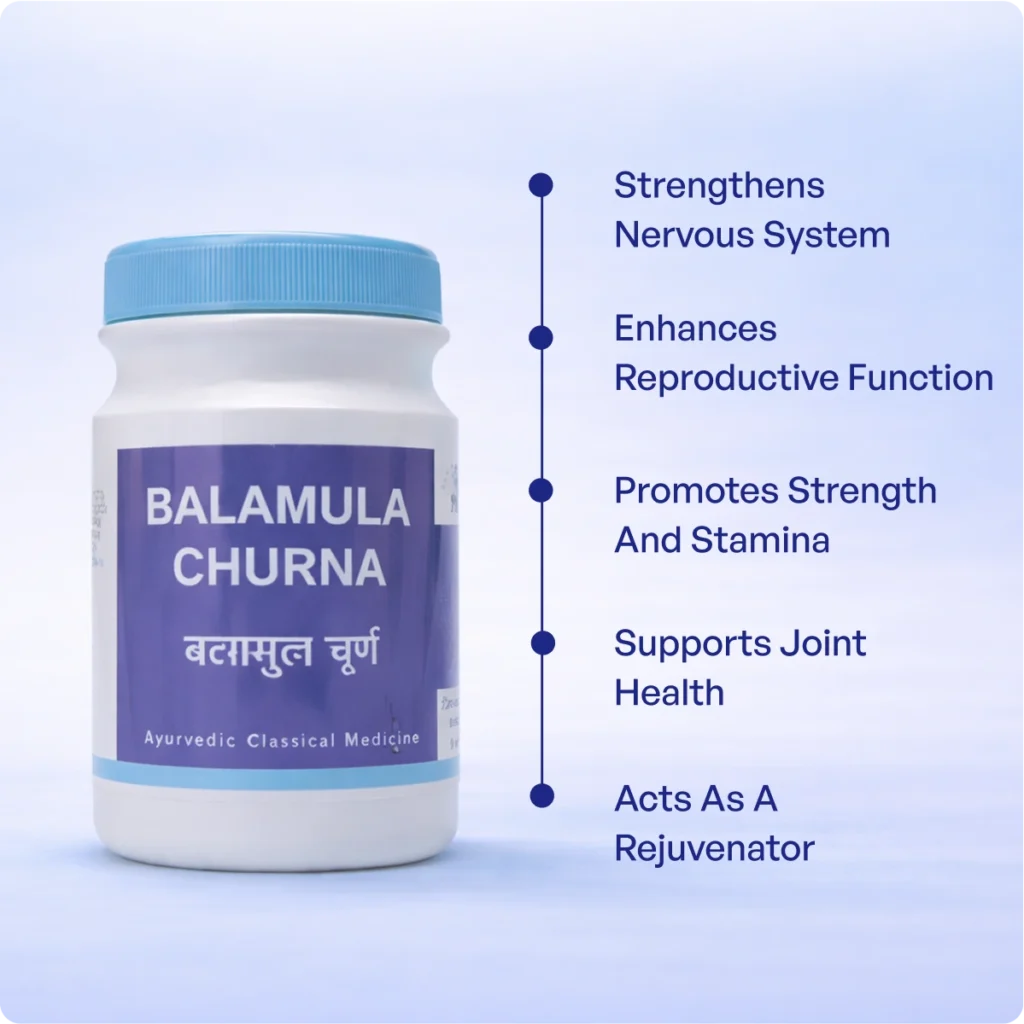
For people specifically discussing nerve discomfort with a practitioner, AyurvedaOne also has a dedicated Nurall nerve-support formulation. A targeted formulation should still be selected and used under appropriate professional guidance rather than self-prescribed solely because tingling is present.
7. Manage the Underlying Condition
Ayurvedic lifestyle practices may support general wellbeing, but they cannot compensate for uncontrolled diabetes, significant vitamin deficiency or progressive nerve damage.
For example, the CDC states that high blood sugar can cause diabetic neuropathy affecting the hands, feet, arms and legs. Keeping blood glucose within the recommended range can help prevent or delay nerve damage.
That means managing blood sugar, blood pressure, cholesterol, nutrition, physical activity and prescribed medication remains important.
AyurvedaOne also provides Ayurvedic options intended to complement broader blood-glucose management, including Mehon Capsules. Anyone with diabetes should discuss complementary formulations with their healthcare professional, particularly when already taking medicines that lower blood glucose.
If you have diabetes, don’t stop prescribed medicines because you are trying an Ayurvedic approach.
When Should You See a Doctor?
Occasional tingling after sitting awkwardly is usually different from persistent or progressive symptoms.
Seek medical advice if your symptoms:
- Keep returning without an obvious reason
- Gradually become more intense
- Spread from the feet upward
- Affect your walking or balance
- Are accompanied by weakness
- Cause persistent burning or pain
- Interfere with sleep or daily activities
You should seek prompt medical attention for sudden numbness or weakness, especially when it affects one side of the body or occurs with symptoms such as difficulty speaking, severe dizziness or facial drooping.
For people with diabetes, foot problems require particular attention because reduced sensation can allow small injuries to go unnoticed.
A Practical Ayurvedic-Inspired Daily Routine
A simple routine can combine traditional wellness practices with evidence-based health care:
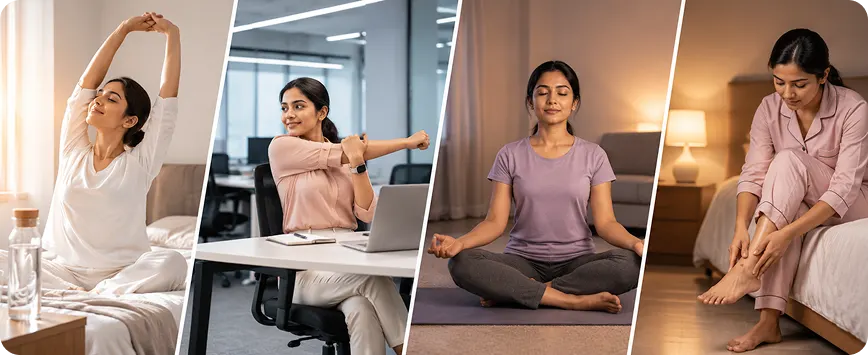
- Morning: Start with hydration, gentle stretching and a nutritious breakfast.
- During the day: Avoid sitting continuously for long periods. Take short movement breaks and maintain appropriate physical activity.
- Evening: Practise gentle breathing or yoga and consider a light foot massage if your healthcare professional says it is appropriate.
- Before bed: Check your feet for cuts, redness, swelling or unusual skin changes, particularly if you have diabetes.
These habits fit within the broader Ayurvedic emphasis on consistent daily routines. For additional everyday wellness practices, see these 10 Ayurvedic health tips for modern life.
Most importantly, keep track of when the symptoms occur. Note whether the tingling happens after meals, during the night, after exercise, during prolonged sitting or alongside changes in blood glucose. This information can help your healthcare provider identify possible triggers.
Final Thoughts
Managing the tingling sensation in feet and hands should begin with understanding why it is happening. Ayurveda may complement your overall wellness plan through practices such as Abhyanga, balanced nutrition, gentle yoga, relaxation and structured daily routines.
But persistent nerve symptoms should never be automatically labelled as a simple “dosha imbalance.” Wondering how Ayurvedic care can fit into your routine and support your overall wellbeing?
If you are looking for personalized Ayurvedic guidance, AyurvedaOne can help you explore an approach suited to your individual needs and lifestyle. Connect with us to learn more about personalized Ayurvedic care.



 Joint Pain

 Women’s Health
 Digestive Health
 Digestive Health