We live in a time when anxiety has become almost ordinary. The constant pressure of work, relationships, finances, and the sheer pace of modern life has left millions of people in a state of chronic stress that never quite goes away. Sleep suffers. Concentration drops. The body tenses up. And yet, many people are reluctant to reach for prescription medications — either because of the side effects, the dependency risks, or simply because they want a gentler, more natural approach.
Ayurveda has been addressing anxiety and stress for thousands of years. Long before modern psychiatry had names for these conditions, Ayurvedic physicians were describing them — classifying anxiety as a state of disturbed Rajo Guna, characterised by excessive mental activity, worry, and restlessness — and prescribing herbs, formulations, and daily practices to restore balance. What is remarkable today is that many of these traditional remedies are now being studied in clinical trials, and the results are genuinely encouraging.
Here is a practical guide to the most trusted Ayurvedic options for anxiety, stress, and nervous system support — backed by both tradition and modern research.
Understanding Anxiety Through the Ayurvedic Lens
In Ayurveda, anxiety is not simply a mental problem — it is understood as a whole-body imbalance. Excess Vata — the energy governing movement, thought, and the nervous system — is considered the primary driver. When Vata becomes aggravated, the mind becomes hyperactive, unable to settle, prone to worry and fearfulness. This maps closely onto what modern medicine calls Generalised Anxiety Disorder (GAD): excessive, hard-to-control worry that affects sleep, concentration, and daily functioning.
The Ayurvedic approach works on multiple levels simultaneously: calming the nervous system, supporting the adrenal response, improving sleep, and rebuilding long-term mental resilience. Herbs used for this purpose are classified as Medhya Rasayanas — brain tonics that nourish, strengthen, and calm the mind.
Effective Herbs for Managing Anxiety and Stress
Ashwagandha — The Stress Hormone Regulator
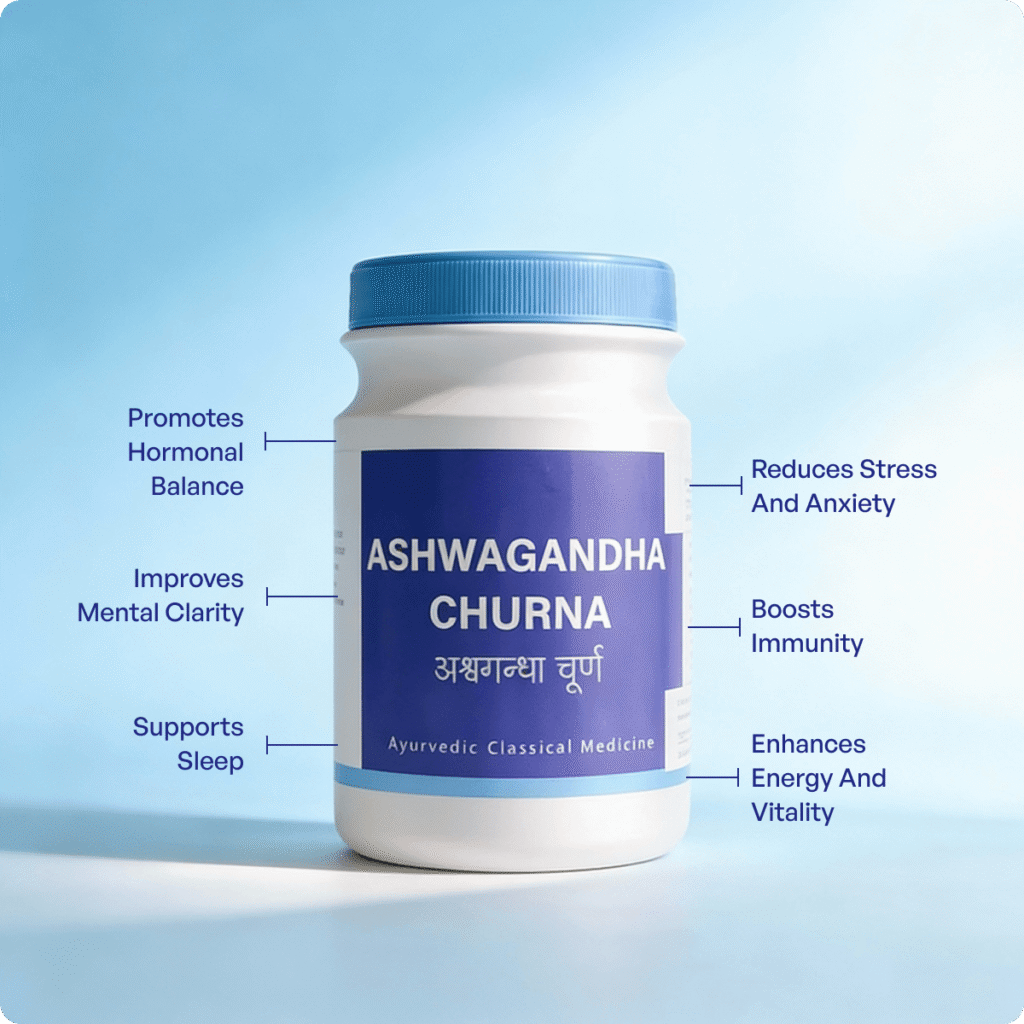
Ashwagandha (Withania somnifera) is Ayurveda’s most researched adaptogen — a herb that helps the body adapt to stress rather than simply sedating it. Its primary mechanism is the stabilisation of the HPA axis: the hormonal pathway that governs how the body responds to stress. When the HPA axis is chronically overstimulated, cortisol levels remain elevated, producing the persistent background anxiety and fatigue that so many people experience today.
A systematic review and meta-analysis published in BJPsych Open (2025), which analysed 15 randomised controlled trials involving 873 patients, found that Ashwagandha supplementation significantly reduced anxiety scores on the Hamilton Anxiety Rating Scale (HAM-A) — with a mean reduction of 3.52 points at 8 weeks compared to placebo (p=0.0053). It also produced a statistically significant reduction in perceived stress scores (Perceived Stress Scale, PSS: mean reduction of 4.88, p=0.0013) and — critically — measurably reduced serum cortisol levels (p<0.0001). This is particularly meaningful because cortisol is the primary stress hormone, and lowering it through a natural supplement, consistently and safely across multiple trials, is a clinically significant finding.
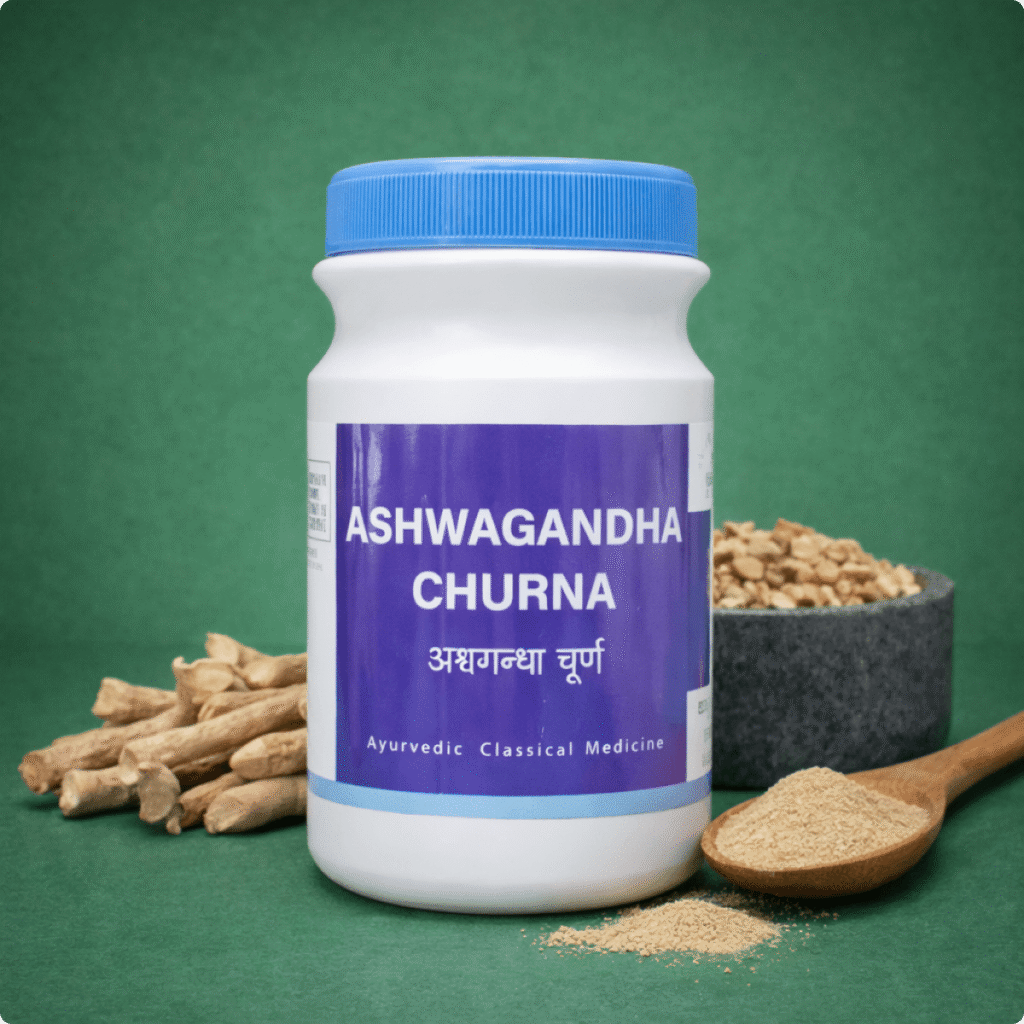
In plain terms, Ashwagandha tells the stress response to stand down. It works best when taken consistently over 8–12 weeks, and is well-tolerated in most people. Looking for a convenient way to include Ashwagandha in your routine? Explore Ashwagandha Churna and Tablets from AyurvedaOne. To learn more about the benefits, uses, and traditional applications of this herb, read our detailed guide on Ashwagandha.
Brahmi — The Mind's Tonic
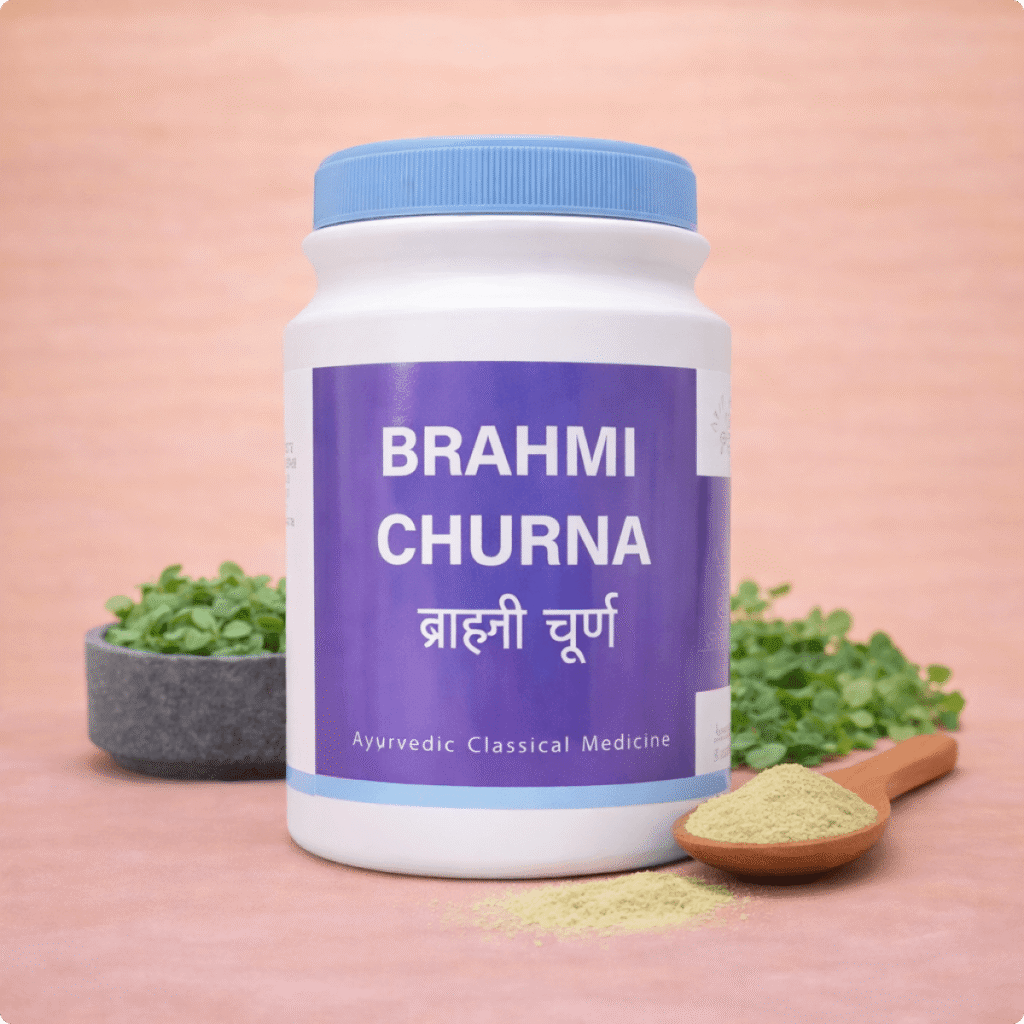
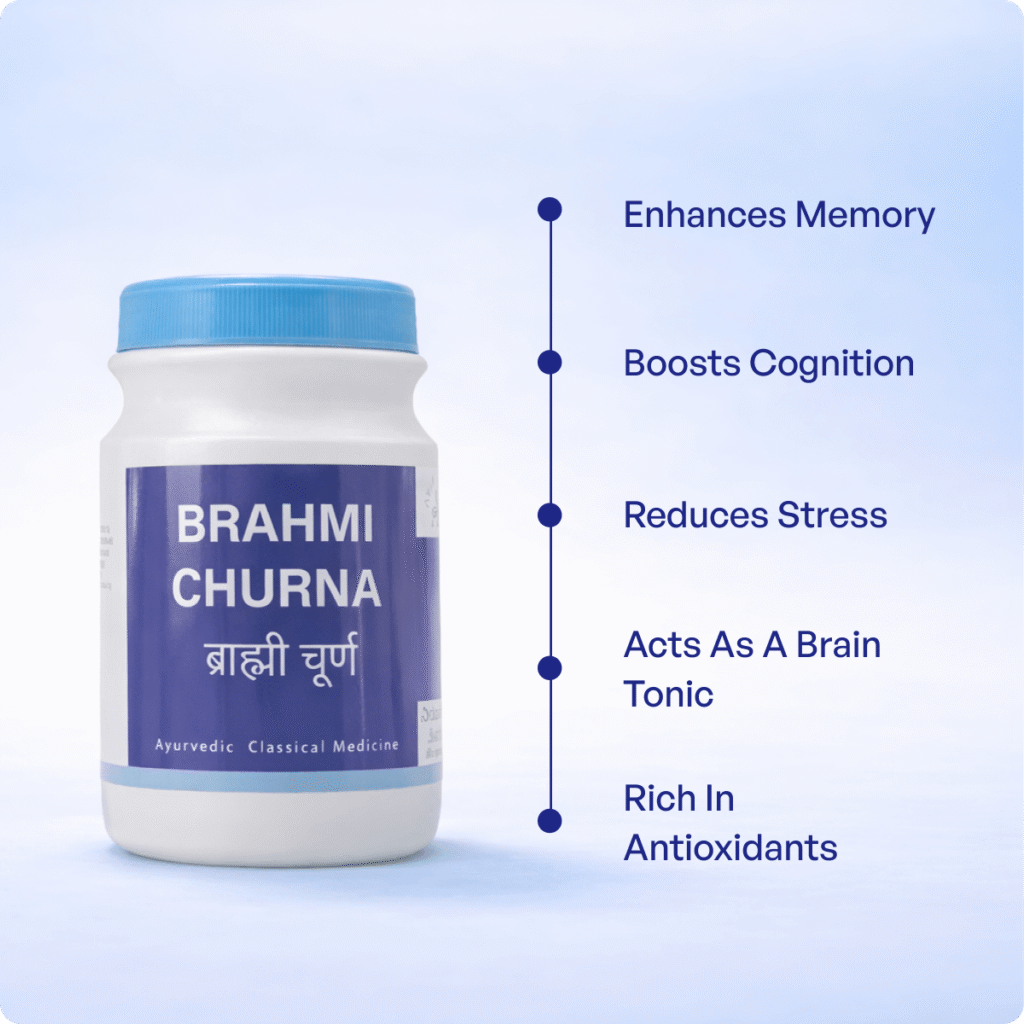
Brahmi (Bacopa monnieri) is one of the most celebrated herbs in Ayurveda for mental health. Classified as an adaptogenic herb that increases the body’s resistance to stress, Brahmi works by reducing cortisol levels and increasing serotonin — the neurotransmitter most associated with mood stability and emotional wellbeing. It also has antioxidant properties that reduce lipid peroxidation in the prefrontal cortex, hippocampus, and striatum — thereby protecting brain tissue from the physical damage caused by chronic stress.
A randomised double-blind clinical trial published in the Journal of Ayurveda and Integrative Medicine evaluated Brahmi Vati, a classical Ayurvedic tablet containing Brahmi as its primary ingredient, in patients diagnosed with Generalised Anxiety Disorder. The study found that anxiety levels decreased from the severe to the moderate category. Depression was reduced to minimal levels. Sleep, which is often severely disrupted in anxiety, moved from disturbed to near-normal ranges. Diastolic blood pressure also reduced significantly — an important finding for people whose anxiety manifests physically.
A follow-up randomised controlled trial by the same research group compared Brahmi Vati combined with Saraswatarista to escitalopram — one of the most commonly prescribed modern anti-anxiety drugs — over 60 days. Both interventions produced comparable reductions in anxiety, depression, and quality of life. However, the Ayurvedic group showed significantly better sleep quality, significantly less daytime drowsiness, better global clinical improvement, and — notably — far fewer adverse effects. Only 3 patients in the Ayurveda group experienced mild side effects compared to 13 in the escitalopram group. No liver, kidney, or blood abnormalities were detected in the Ayurveda group throughout the study.
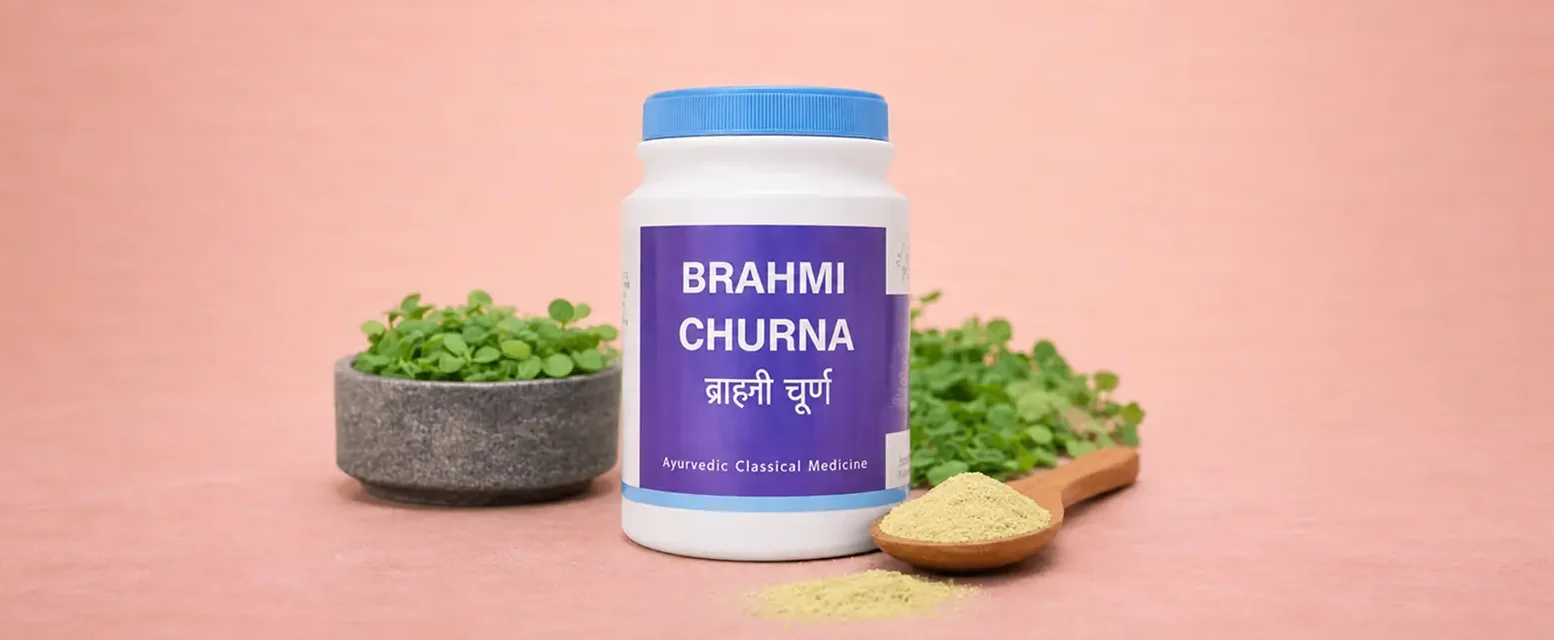
The conclusion, published in the Journal of Ayurveda and Integrative Medicine (2024): Brahmi Vati with Saraswatarista was comparable to a standard SSRI in managing anxiety, with the added advantage of a superior safety and sleep profile. To experience the benefits of Brahmi, consider Brahmi Churna from AyurvedaOne. To learn more about the benefits, uses, and traditional applications of this herb, read our detailed guide on Brahmi.
Tagara — The Natural Sleep and Stress Herb
Tagara (Valeriana wallichii) is Ayurveda’s go-to herb for people whose anxiety presents primarily as sleeplessness, nervous tension, and physical restlessness. Its active compound, valerenic acid, modulates GABA-A receptors — the same receptors targeted by benzodiazepines like diazepam, but without the sedative hangover or dependency risk.
A quasi-experimental study published in the IOASD Journal of Medical and Pharmaceutical Sciences (2025), conducted with 200 nursing staff — a population known for exceptionally high occupational stress — compared Tagara extract combined with cognitive behavioural therapy (CBT) against CBT alone over 12 weeks. The Tagara group showed significantly greater reductions in perceived stress, anxiety, and daytime sleepiness. By week 12, 78% of the Tagara group had achieved low-stress thresholds compared to 62% in the CBT-only group. Salivary cortisol dropped in the Tagara group. Sleep onset improved by 32 minutes versus 18 minutes in the control group. No serious adverse events were observed.
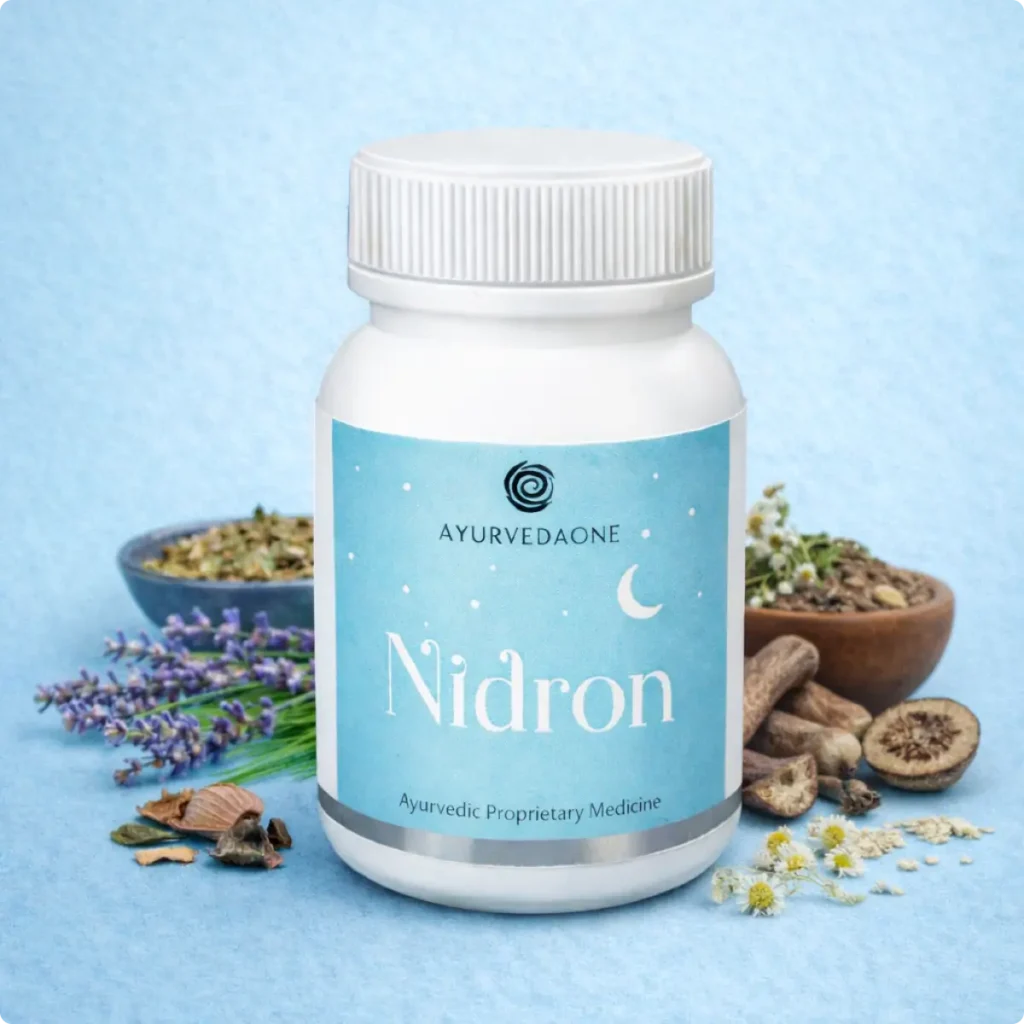
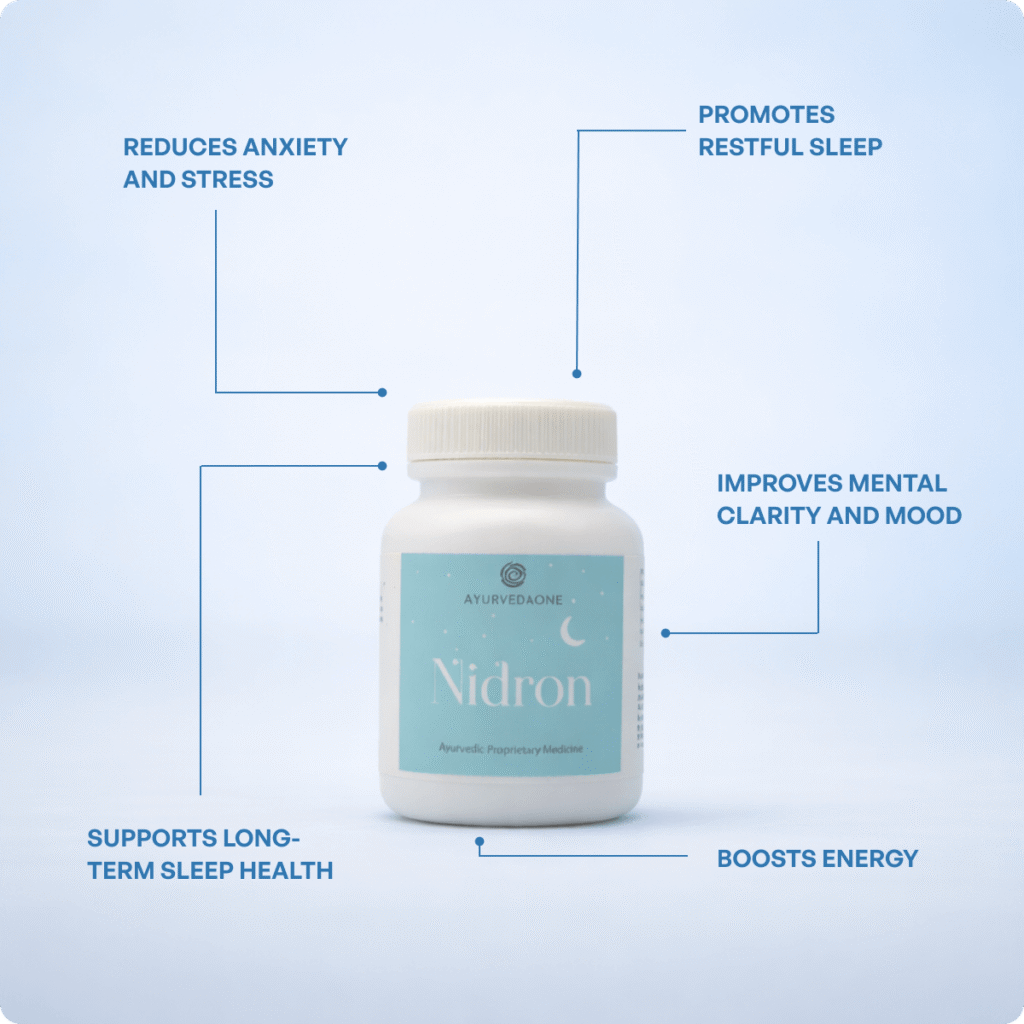
A review article published in the Journal of Ayurveda and Integrated Medical Sciences (2023) confirms that Tagara and Brahmi function as complementary herbs in anxiety management — Tagara calms the nervous system through GABAergic action while Brahmi supports the stress response and cognitive function. Support sleep, relaxation and emotional balance with Nidron Tablets from AyurvedaOne.
Jatamansi — For the Mind That Won't Quiet Down
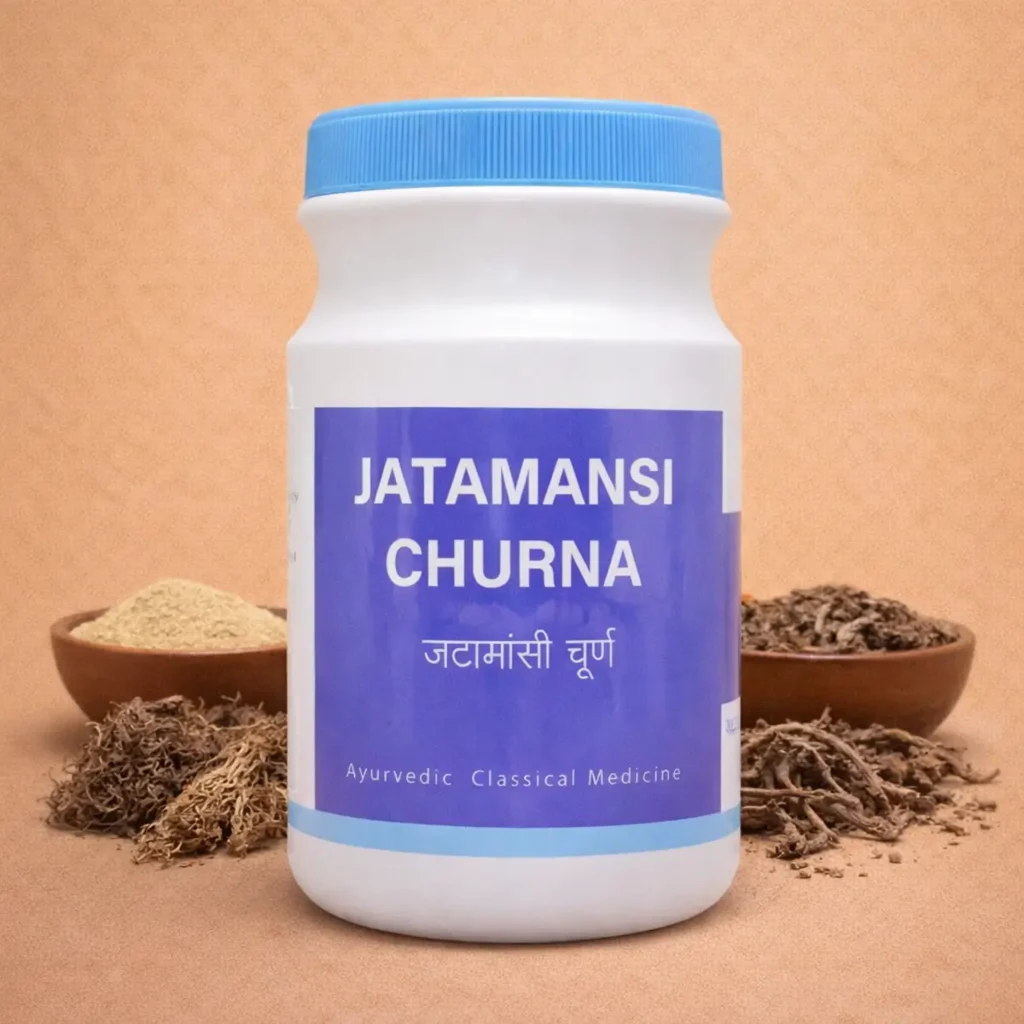
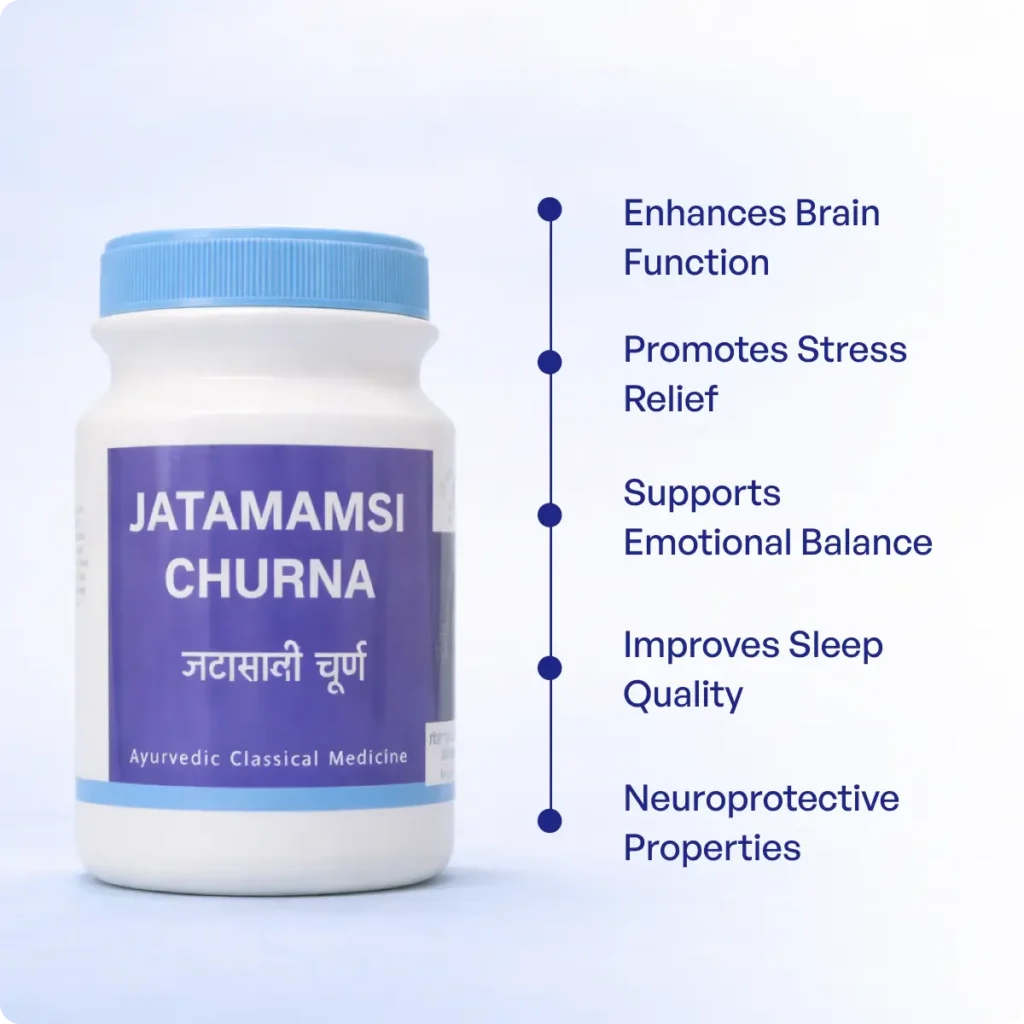
Jatamansi (Nardostachys jatamansi) works by increasing brain levels of monoamines and inhibitory amino acids, including serotonin, GABA, and taurine. This combination gives it both antidepressant and anxiolytic properties. It is particularly useful for anxiety with a depressive undertone — where the person feels not just worried but heavy, low, and withdrawn. It also has a mild sleep-inducing effect that helps people who cannot fall asleep due to mental rumination. For natural support in managing stress and promoting calmness, explore Jatamansi Churna from AyurvedaOne.
Shankhapushpi — For Clarity Under Stress
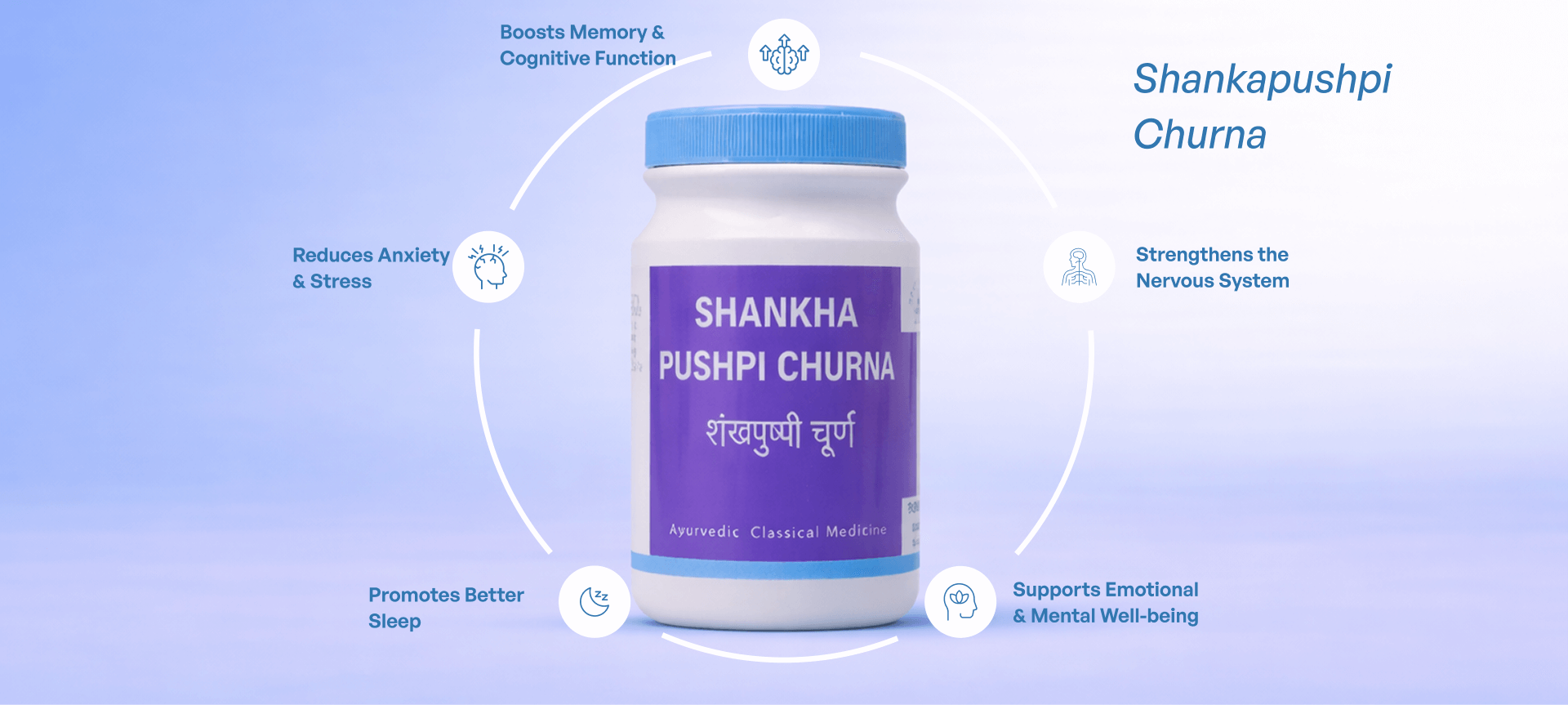
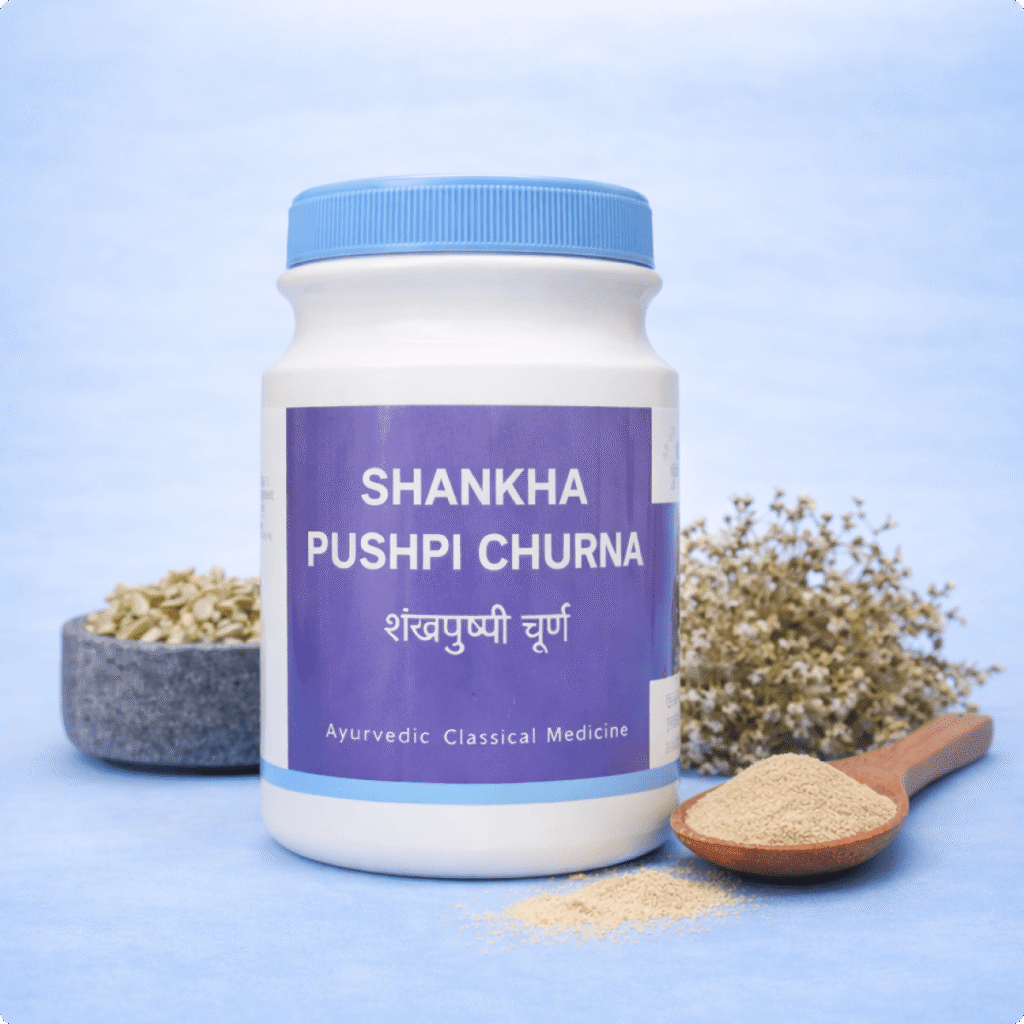
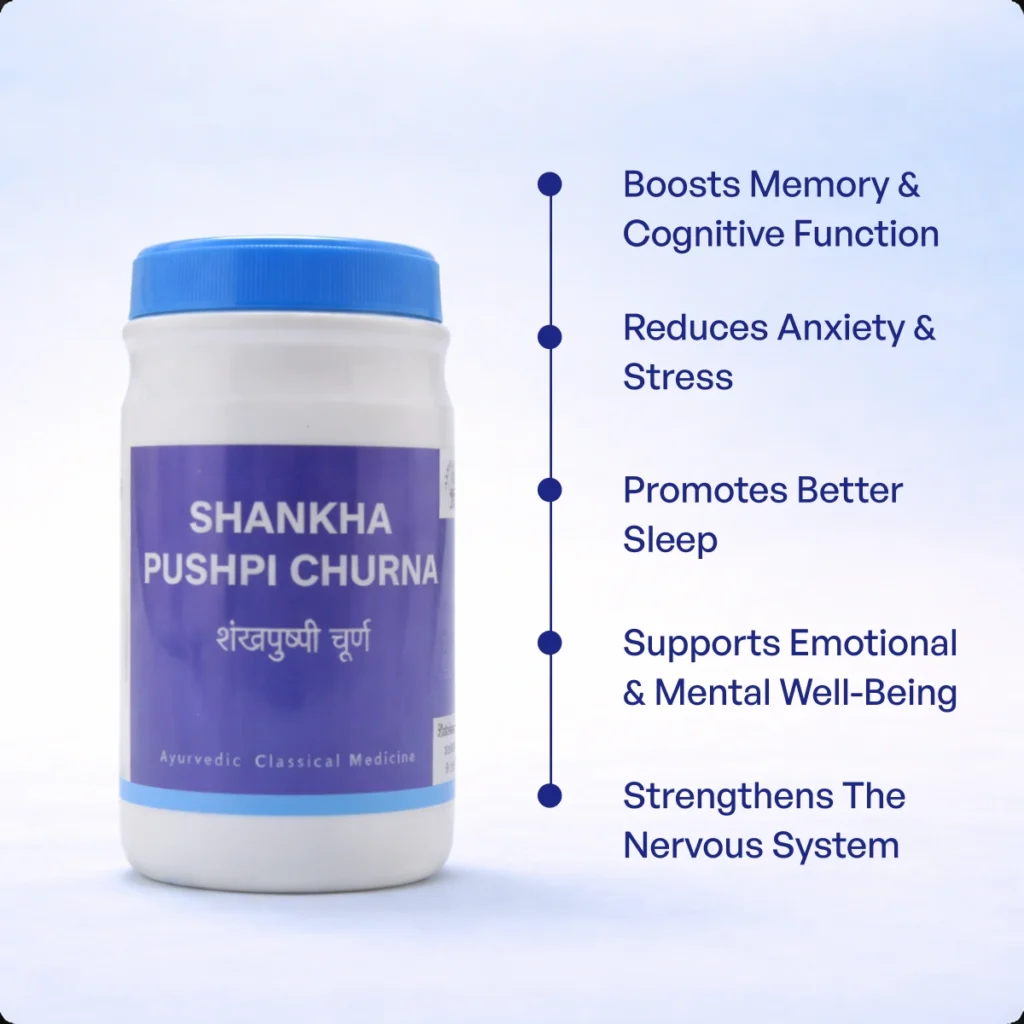
Shankhapushpi (Convolvulus pluricaulis) works by balancing neurotransmitter levels — upregulating dopamine, which in turn helps regulate serotonin. The result is a calmer, more focused mental state without sedation. It has antistress, immunomodulatory, and antioxidant effects, and is traditionally combined with Brahmi for enhanced effect. Enhance your wellness routine with Shankhapushpi Churna from AyurvedaOne, formulated to support mental calm and cognitive health.
Ayurvedic Formulations for Anxiety and Stress Relief
Saraswatarista
Saraswatarista is a classical herbal liquid formulation with 22 ingredients, including Brahmi, Shatavari, Ashwagandha, Vacha, Guduchi, and Vidarikanda. It has nootropic, anxiolytic, and antioxidant properties. In animal models, it demonstrated antidepressant activity by decreasing immobility in the forced swim test without causing general stimulation, suggesting a genuine calming effect rather than sedation.
The 2024 randomised controlled trial referenced above, which compared the combination of Brahmi Vati and Saraswatarista to escitalopram in 50 GAD patients, found the Ayurvedic combination to be equally effective for anxiety and depression, better for sleep, and significantly safer in terms of adverse effects. Both liver and kidney function tests remained normal throughout in the Ayurveda group.
Brahmi Vati
Brahmi Vati is a classical compound tablet formulation containing Brahmi, Shankhapushpi, Jatamansi, Vacha, and other herbs. As detailed above, multiple randomised clinical trials have established its efficacy in Generalised Anxiety Disorder, with improvements in anxiety, depression, sleep quality, daytime alertness, and quality of life — all at statistically significant levels, and with an excellent safety profile.
Manasamitra Vatakam
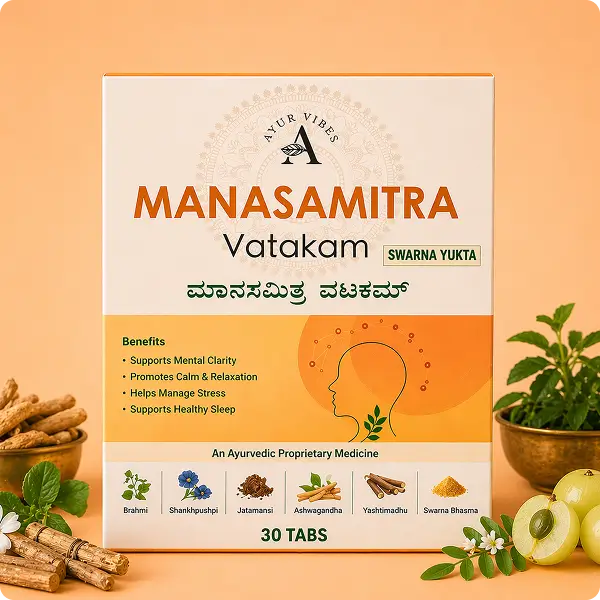
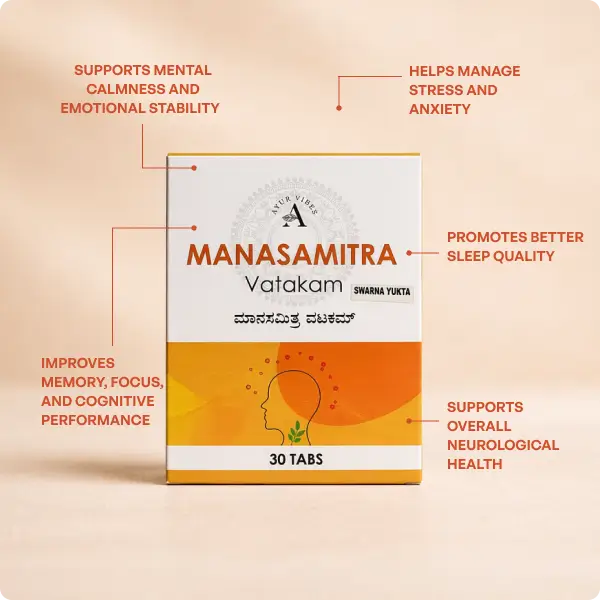
Manasamitra Vatakam is one of Ayurveda’s most comprehensive formulations for psychiatric conditions, containing 73 ingredients. A randomised controlled study published in the Journal of Alternative and Complementary Medicine established its efficacy in Generalised Anxiety Disorder with comorbid social phobia — reducing anxiety and depression, improving sleep and quality of life, and proving comparable to clonazepam in clinical outcomes. It is particularly used when anxiety coexists with other psychiatric symptoms. Explore Manasa Mitra Vatakam from AyurvedaOne.
Simple Home Remedies
For those looking to start with something accessible before exploring formulations, these daily practices are time-tested and gentle enough for most people.
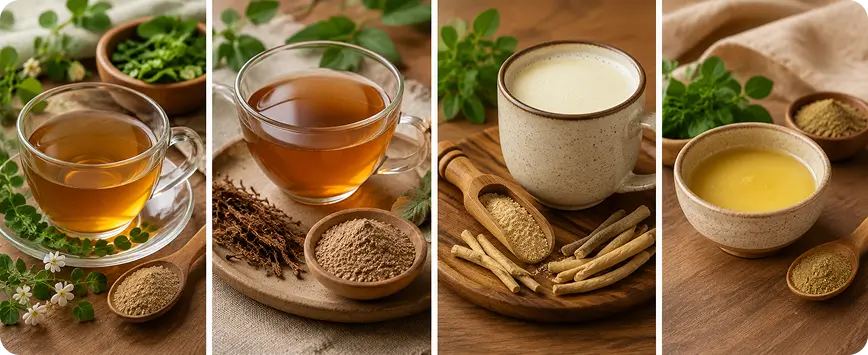
- Brahmi Tea: Steep a half teaspoon of dried Brahmi powder in a cup of warm water or light herbal tea. Drink daily, ideally in the morning. Regular use over weeks gently supports the stress response and mental clarity.
- Jatamansi Infusion: A pinch of Jatamansi powder in warm water before bedtime helps calm the overactive mind that prevents sleep. It works best as a consistent nightly habit rather than a one-off remedy.
- Ashwagandha with Warm Milk or Water: The most accessible way to take Ashwagandha is a quarter teaspoon of root powder in warm milk or water, taken at night. Warm milk naturally contains tryptophan which supports sleep, and combined with Ashwagandha’s cortisol-lowering action, this is one of the most effective bedtime rituals for chronic stress.
- Ghee with Brahmi Powder: A small spoonful of pure ghee mixed with a pinch of Brahmi powder, taken on an empty stomach in the morning, is a traditional Medhya Rasayana practice. Ghee acts as a carrier that enhances the absorption of Brahmi’s active compounds into neural tissue. It is particularly useful for people experiencing mental fatigue alongside anxiety.
A Few Things to Keep in Mind
Ayurvedic herbs for anxiety work differently from prescription medications — they build up their effect gradually over weeks rather than providing immediate relief. Consistency is everything. Most of the studies referenced above showed the clearest results at 8–12 weeks of regular use. They also work best when paired with the lifestyle practices that Ayurveda has always emphasised alongside its herbs: adequate sleep, regular movement, reduced screen exposure before bed, and practices like Pranayama and meditation that directly regulate the nervous system.
If you are currently on prescription medication for anxiety or depression, always consult your doctor before adding Ayurvedic formulations — not because the herbs are harmful, but because a professional should oversee any change to your mental health management.
The science supporting these herbs is no longer just traditional wisdom — it is clinical trial data, published in peer-reviewed journals, measured with the same tools used to evaluate pharmaceutical drugs. For anyone looking for a gentler, more sustainable path through stress and anxiety, Ayurveda has much to offer.
To support your wellness journey, visit AyurvedaOne, explore our Shop for Ayurvedic formulations, or book a Consultation with our experts for personalised guidance.




 Blog
Blog

 Blog
Blog
 Blog
Blog
 Blog
Blog