Ancient herbs, kitchen staples, and Ayurvedic wisdom to cool the fire within, drug-free relief for acidity, acid reflux, and hyperacidity that actually works.
Acidity is one of the most common digestive complaints in India, affecting nearly 1 in 3 adults regularly. While antacids offer temporary relief, Ayurveda treats acidity at its root by addressing Pitta imbalance, strengthening Agni (digestive fire), and restoring gut harmony through natural remedies, diet, and lifestyle. The best part? Most of these solutions are already sitting in your kitchen.
What Is Acidity & Acid Reflux?
Acidity, medically termed gastroesophageal reflux disease (GERD) in its chronic form, occurs when the stomach produces excess hydrochloric acid or when the lower oesophageal sphincter (LES) weakens, allowing acid to flow back into the oesophagus. This causes the familiar burning sensation in the chest and throat known as heartburn.
In Ayurveda, acidity is called Amlapitta, a condition of excess Pitta dosha that disrupts the body’s digestive fire. It is almost always aggravated by diet, stress, lifestyle irregularities, and suppression of natural urges.
Common symptoms include burning in the chest or throat, sour belching, nausea, bloating, regurgitation of food, and a bitter or acidic taste in the mouth, especially after meals or when lying down.
Why Does Acidity Happen?
Understanding the triggers is the first step to lasting relief. Acidity is rarely random, it follows identifiable patterns rooted in diet and lifestyle:
-
- Spicy & oily foods
- Excess tea, coffee & alcohol
- Stress & anxiety
- Irregular meal timings
- Lying down after eating
- NSAIDs & certain medications
- Smoking
- Obesity & excess weight
- Late-night eating
- Processed & fast food
Best Natural Remedies for Acidity
These tried-and-tested home remedies for acidity combine kitchen wisdom with Ayurvedic principles. Each works through a different mechanism, choose the ones that suit your ingredients and lifestyle:
1. Ajwain (Carom Seeds)
Ajwain is Ayurveda’s premier digestive herb. Active thymol compounds stimulate digestive enzymes, reduce gas, bloating, and acidity simultaneously. It is particularly effective for acidity caused by indigestion or slow gastric emptying.
How to Use: Chew ½ tsp of raw ajwain seeds with a pinch of black salt after meals, or boil 1 tsp in water, strain, and sip warm. Use after heavy meals for best results.
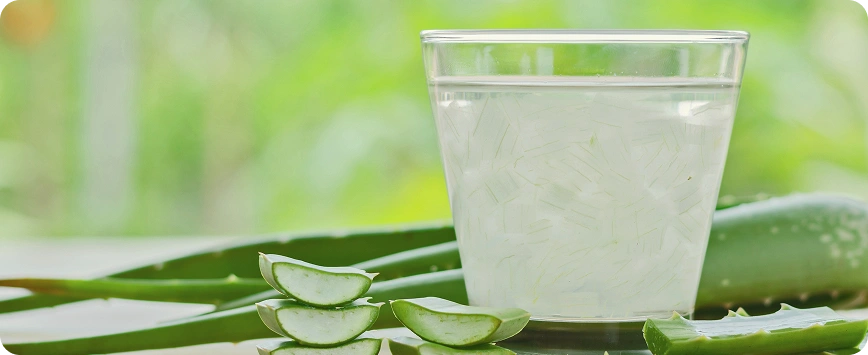
2. Aloe Vera Juice
Aloe vera’s anti-inflammatory compounds soothe the irritated oesophageal and stomach lining. Studies show it significantly reduces the frequency of heartburn, acid reflux, nausea, and regurgitation. It is among the most evidence-backed natural remedies for acid reflux available.
How to Use: Drink 20–30 ml of pure, food-grade aloe vera juice 20 minutes before meals. Avoid aloe latex (the yellow layer), use only the clear inner gel. Begin with small quantities to test tolerance.
3. Jeera (Cumin) Water
Cumin stimulates saliva production and digestive enzyme secretion, improving gastric motility. It neutralises excess acid, reduces bloating, and calms stomach cramps. Regular morning use of jeera water is a classic Ayurvedic home remedy for acidity that supports long-term gut health.
How to Use: Boil 1 tsp of jeera in 2 cups of water for 5 minutes. Strain, cool slightly, and sip before or between meals. Alternatively, soak overnight and drink the water first thing in the morning.
4. Coconut Water
Naturally alkaline with a pH of 8.4, coconut water neutralises stomach acid gently and effectively. Rich in potassium and electrolytes, it rehydrates and soothes the gut lining. It is especially cooling for Pitta-type acidity aggravated by heat, spice, or summer weather.
How to Use: Drink one glass of fresh, unsweetened coconut water twice daily, once in the morning on an empty stomach and once mid-afternoon. Avoid packaged varieties with added sugar or preservatives.
5. Saunf (Fennel Seeds)
Fennel seeds contain anethole, which relaxes the smooth muscle of the GI tract, reducing acid reflux episodes and spasms. They are natural carminatives, releasing trapped gas while neutralising excess acid and freshening breath simultaneously.
How to Use: Chew 1 tsp of saunf slowly after every meal, a habit already practised across India for centuries. Alternatively, steep 1 tsp in hot water for 10 minutes, strain, and sip as a post-meal tea.
6. Amla (Indian Gooseberry)
Amla is Ayurveda’s most revered Pitta-pacifying fruit. Its high Vitamin C content and alkaline nature directly counteract excess stomach acid. Amla strengthens the gastric mucosa, reduces inflammation, and is one of the most powerful long-term natural remedies for acidity and acid reflux.
How to Use: Take 1 tsp of amla powder with warm water each morning, or eat 1–2 fresh amlas before meals. Amla candy (murabba) and amla juice diluted in water are also effective and palatable alternatives.
7. Banana
Bananas are naturally antacid, rich in potassium, they raise stomach pH and coat the oesophageal lining, creating a protective buffer against acid. Ripe bananas also stimulate mucus production in the stomach wall, reducing irritation from excess acid.
How to Use: Eat one ripe banana as a mid-morning or mid-afternoon snack, or immediately when you feel acidity coming on. Overripe bananas may trigger gas in sensitive individuals, use moderately ripe ones instead.
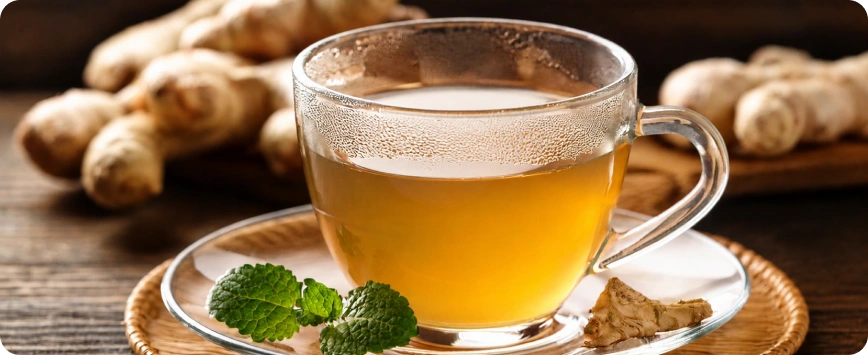
8. Tulsi Leaves + Ginger Tea
Tulsi reduces gastric acid secretion and soothes the stomach lining, while ginger accelerates gastric emptying, meaning food passes through the stomach faster, reducing the likelihood of reflux. Together they form a formidable natural remedy for acid reflux that also relieves nausea and bloating.
How to Use: Boil 8–10 Tulsi leaves with ½ inch grated ginger in 1.5 cups of water for 8 minutes. Strain, add a few drops of lemon and a touch of honey, sip warm. Best taken 30 minutes before meals or at onset of symptoms.
Acidity as Amlapitta, The Ayurvedic View
In Ayurveda, all digestive disorders stem from imbalance in Agni, the metabolic fire. Acidity (Amlapitta) results from an aggravated Pitta dosha, the energy governing transformation, heat, and digestion. When Pitta overflows, it creates sour, pungent, burning qualities throughout the GI tract.
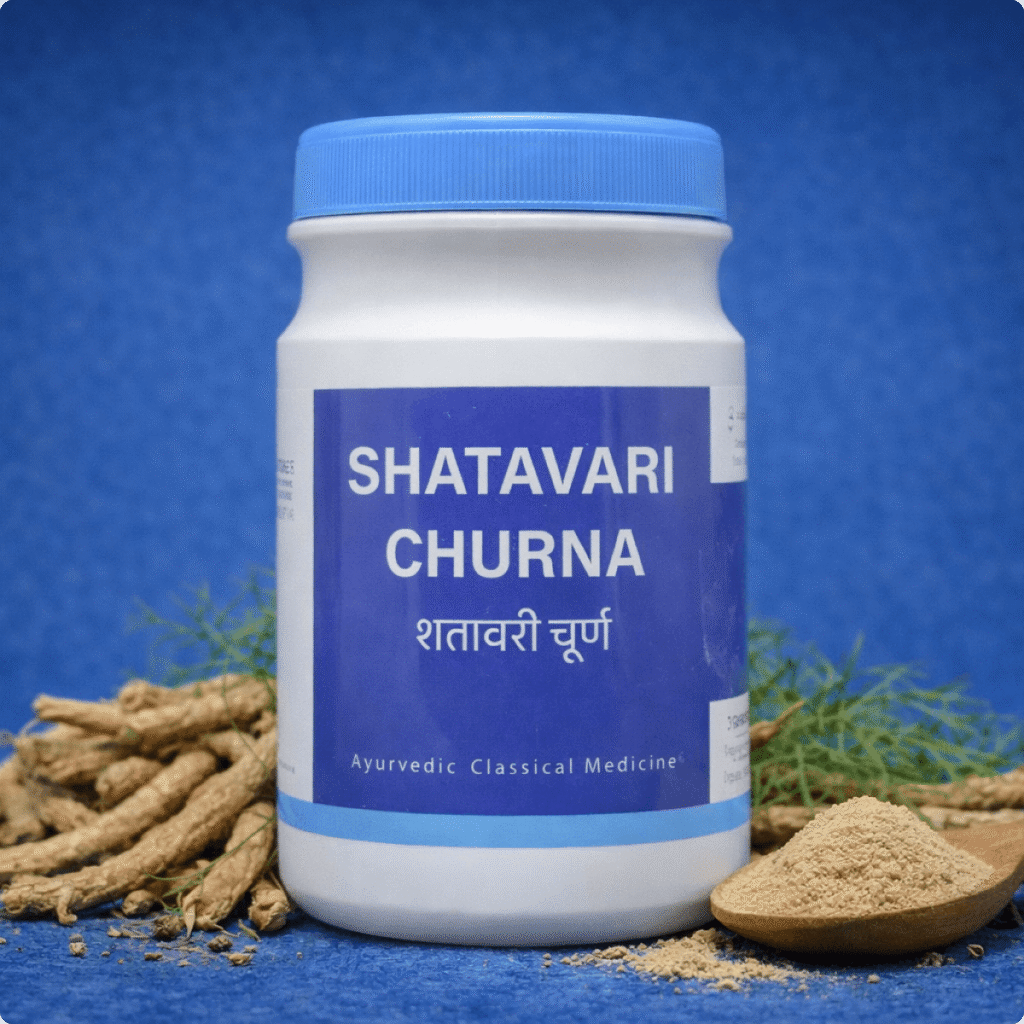
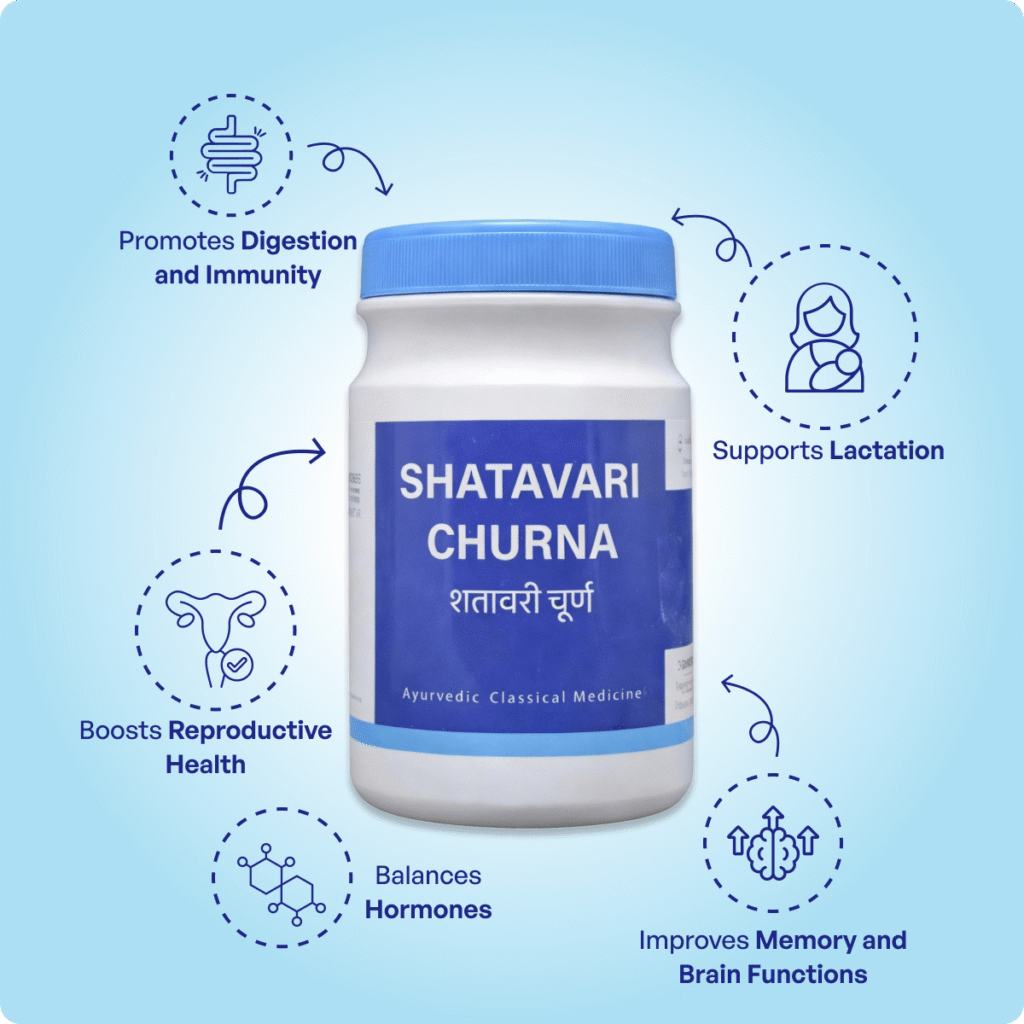
Ayurvedic treatment of Amlapitta focuses on three pillars: Nidana Parivarjana (removing the cause), Pitta-shamana (cooling and pacifying Pitta), and Rasayana (gut rejuvenation through herbs like Amla, Shatavari, and Yashtimadhu).
Foods to Eat & Foods to Avoid
Diet is the single most powerful lever for controlling acidity. Certain foods directly trigger acid production, while others help soothe and heal the gut lining:
Food that Trigger Acidity
-
- Spicy curries & chillies
- Fried & oily foods
- Tea, coffee & alcohol
- Citrus fruits (lemon, orange) in excess
- Tomato-based sauces & ketchup
- Carbonated soft drinks
- Processed & packaged snacks
- Chocolate & mint (relax LES)
- Onion & garlic in large amounts
- Red meat & heavy non-veg
Foods That Soothe Acidity
-
- Banana, watermelon & papaya
- Oatmeal & whole grains
- Cold milk & fresh chaas
- Coconut water
- Leafy greens (spinach, methi)
- Cucumber & ash gourd
- Brown rice & khichdi
- Amla & aloe vera juice
- Fennel seeds & jeera
- Moong dal & light soups
Habits That Prevent Acidity Naturally
No home remedy works fully without supporting lifestyle changes. These adjustments address the root behavioural causes of recurring acidity and acid reflux:
Eat on Schedule
Have meals at consistent times daily. Irregular eating confuses gastric acid production cycles and leads to excess secretion.
Walk After Meals
A gentle 10–15 minute walk after eating significantly aids gastric emptying and reduces reflux frequency. Avoid lying down for 2–3 hours post-meal.
Elevate Your Head
Raise the head of your bed by 15–20 cm using blocks. Gravity helps keep stomach acid in place during sleep, reducing nighttime reflux.
Sip Water, Don’t Gulp
Drink water throughout the day in small sips rather than large quantities at once. Avoid drinking too much water immediately before, during, or after meals.
Practice Pranayama
Bhramari and Sheetali pranayama cool Pitta and reduce stress-triggered acid secretion. Practice daily for 10 minutes in the morning.
Eat Smaller Portions
Large meals distend the stomach and push acid upward. Eat until 75% full (Mitahara, moderation in eating) as prescribed by Ayurveda.
When to See a Doctor
Home remedies for acidity reflux are effective for mild-to-moderate symptoms. However, certain warning signs require prompt medical evaluation:
Seek Medical Attention If You Experience:
-
- Acidity symptoms persisting for more than 2–3 weeks despite dietary changes
- Difficulty or pain when swallowing food or liquids
- Unexplained weight loss alongside digestive symptoms
- Vomiting blood or black, tarry stools (may indicate internal bleeding)
- Chest pain that spreads to your arm, jaw, or back (rule out cardiac causes first)
- Chronic hoarseness, wheezing, or new-onset asthma-like symptoms
- Symptoms worsening despite medication or natural remedies
Chronic, untreated GERD can lead to Barrett’s oesophagus and, in rare cases, oesophageal cancer. Early diagnosis and management significantly prevent long-term complications.
Conclusion
The home remedies for acidity outlined in this guide are not merely folk beliefs; they are rooted in centuries of Ayurvedic practice and increasingly validated by modern digestive science. From the instant relief of coconut water to the long-term gut healing of amla and aloe vera, nature has provided us a complete toolkit.
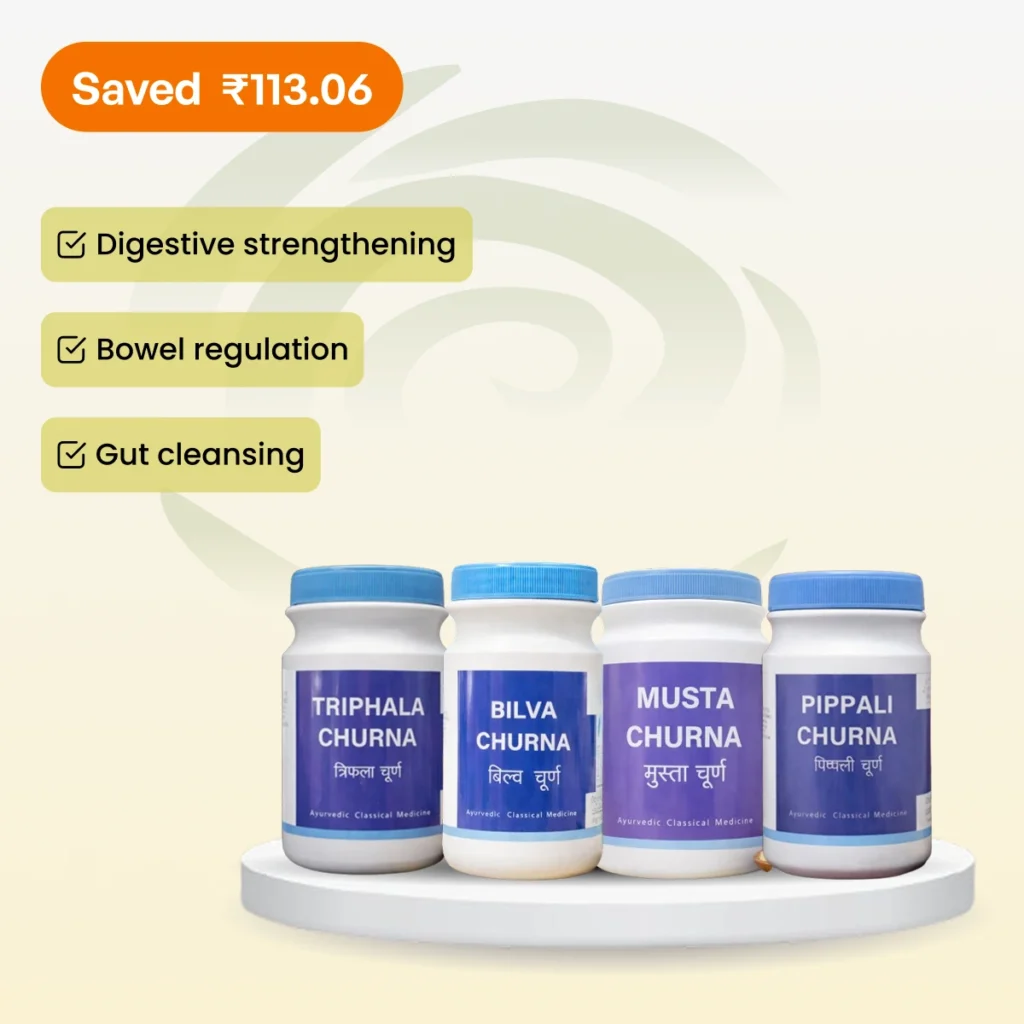
For additional digestive support, explore Ayurveda One’s Digestive Health Collection or consult our Ayurvedic experts for personalised guidance tailored to your digestive needs.
The key to beating acidity permanently lies not in a single magic remedy, but in a consistent approach: cooling the diet, building disciplined meal rhythms, managing stress through pranayama, and incorporating two or three of these natural remedies for acidity into daily life until gut health is restored.
Start with what is already in your kitchen. Be patient. Be consistent. And give your body the chance to heal itself, the way it was always designed to.





 Blog
Blog

 Heart Health
 Joint Pain
 Women’s Health