
What Are the Best Ayurvedic Remedies for Dry Cough?
MD in Panchakarma | 16+ Years of Experience
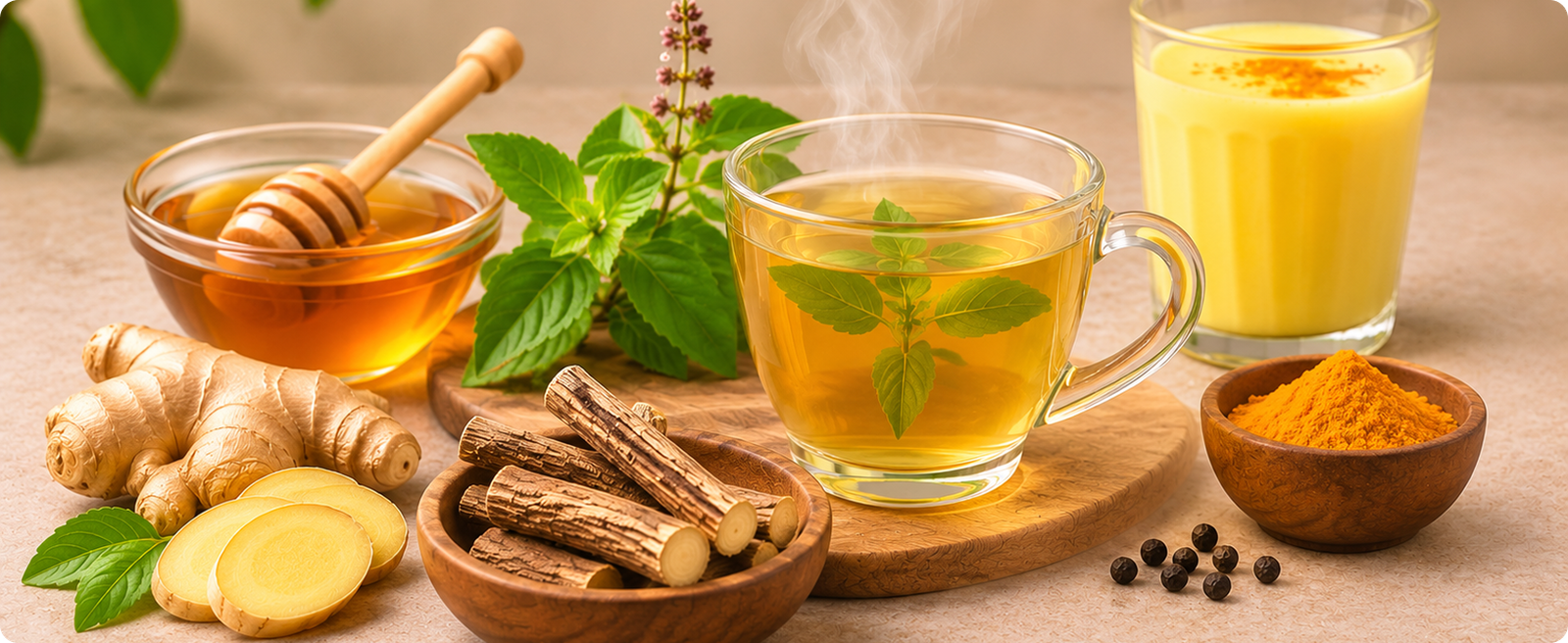
Table of Content
Ayurveda sees a dry cough as a sign of too much dryness in the body, called a Vata imbalance. That is why every good dry cough natural remedy works the same way: it keeps your throat warm, moist and calm. Simple kitchen remedies do most of the work, and when you need something easy to carry, Talisadi Chewable Tablet and Yashtimadhu Tablet offer steady herbal support.
Below, you will find the remedies that work best, why dry cough happens, what to eat and avoid, how to stop coughing at night, and when home care is not enough.
Dry Cough Natural Remedy: At a Glance Remedy Best for How to use
| Remedy | Best for | How to use |
|---|---|---|
| Honey + ginger | Throat tickle, night cough | 1 tsp honey with a few drops of ginger juice, 2–3 times a day |
| Mulethi (Yashtimadhu) | Raw, scratchy throat, hoarse voice | Chew a small stick or take as a tablet after meals |
| Tulsi-ginger-pepper tea | Cough after a cold | 1 cup warm, once or twice a day |
| Turmeric milk | Coughing at night | 1 cup warm, 30 minutes before bed |
| Talisadi | Cough with mild congestion | Chew 1–2 tablets twice daily after meals |
| Steam inhalation | Dry air, AC rooms | 5–10 minutes, once or twice a day |
What Is a Dry Cough?
A dry cough is a cough that brings up little or no mucus. You may feel a tickle or scratch in your throat that keeps making you cough, but nothing comes out. Many people find it gets worse at night, after talking a lot, or when the air is cold or dusty.
A wet cough is different. It brings up phlegm and usually means your body is clearing mucus from the chest. A dry cough is more about irritation: your throat and airways are sensitive and keep reacting.
What Causes Dry Cough?
Most dry coughs are short-lived and harmless. Common causes include:
- A cold or flu that is going away. The cough often stays for a week or two after other symptoms clear up.
- Dust, smoke, pollution or strong smells. These irritate the throat directly.
- Allergies. Pollen, pet hair or dust mites can set off a tickly cough.
- Acid reflux. Stomach acid rising into the throat can cause a dry cough, especially after meals or when lying down. Our guide to home remedies for acidity and acid reflux can help if this sounds familiar.
- Dry air. Air-conditioned rooms, fans and winter air dry out the throat.
- Talking or shouting for long periods.

How Does Ayurveda Explain Dry Cough?
Ayurveda calls cough Kasa. A dry cough is linked mainly to aggravated Vata, the body energy made of air and space. Vata is dry, light, cold and rough. When it builds up, your throat becomes dry, scratchy and easily irritated, which is exactly how a dry cough feels.
Sometimes Kapha, the heavy, mucus-forming energy, is involved too. This is when a dry cough turns slightly wet or comes with some congestion.
The Ayurvedic idea is simple: use things that are warm, moist, soothing and slightly oily to calm Vata. That is why honey, ghee, licorice, warm milk and warm water appear in almost every Ayurvedic dry cough natural remedy. Not sure which dosha you lean towards? Take our dosha quiz.
10 Best Ayurvedic Remedies for Dry Cough
1. Honey with Ginger
This is the most popular dry cough natural remedy in Indian homes. Honey coats the throat and calms the tickle, while ginger adds warmth.
How to use: Mix 1 teaspoon of honey with a few drops of fresh ginger juice. Take it slowly, 2–3 times a day. Avoid drinking water straight after, so the honey stays on your throat.
Note: Never give honey to babies under 1 year old.
2. Mulethi (Yashtimadhu / Licorice Root)
Mulethi is one of the most trusted throat herbs in Ayurveda. Its Sanskrit name, Yashtimadhu, means “sweet stick”. It is traditionally used to soothe a dry, sore throat and a hoarse voice, which is why singers and teachers have chewed it for generations.
How to use: Chew a small piece of mulethi stick slowly, or boil it in water for a mild tea. For a more convenient option, Yashtimadhu Tablet 850mg gives you the same herb in tablet form.
Note: Licorice is not meant for long-term daily use without advice, especially if you have high blood pressure, kidney problems or hormonal issues, or are pregnant or breastfeeding.
3. Tulsi, Ginger and Black Pepper Tea
Tulsi (holy basil) is a go-to herb for cough and cold. Mixed with ginger and black pepper, it makes a warming tea that comforts an irritated throat.
How to use: Boil 5–6 tulsi leaves, a small piece of ginger and 2–3 crushed peppercorns in 2 cups of water until it reduces to about 1 cup. Strain, cool slightly and add a little honey. For more ideas, read 5 ways to use tulsi for cough at home.
4. Turmeric Milk (Haldi Doodh)
Warm milk calms Vata, and turmeric has long been used in Indian kitchens for throat comfort. Together they make a simple bedtime dry cough natural remedy.
How to use: Add ½ teaspoon of turmeric and a pinch of black pepper to a cup of warm milk. Drink it before bed.
5. Talisadi Churna or Talisadi Tablets
Talisadi is a classic Ayurvedic formula for cough. It contains Talisapatra, Pippali (long pepper), Ela (cardamom) and Tvak (cinnamon). It is traditionally used to soothe the throat, ease cough and support easy breathing, and it also supports digestion.
How to use: The powder form is usually taken with honey. If you prefer something ready to use, Talisadi Chewable Tablet is easy to keep in your bag. Chew 1–2 tablets twice a day after meals with warm water.
Note: Check with a doctor first if you have uncontrolled diabetes or are pregnant or breastfeeding.
6. Pippali with Honey
Pippali (long pepper) is a warming herb that Ayurveda uses for the lungs and throat.
How to use: Mix a small pinch of Pippali powder with honey and take it after a warm meal. Keep the amount small, as it is quite heating.
7. Steam Inhalation
Steam adds moisture straight to your dry airways, which suits a Vata-type cough well.
How to use: Pour hot water into a bowl, cover your head with a towel and breathe in the steam for 5–10 minutes. You can add a few tulsi leaves or a pinch of ajwain. A hot shower works too.
8. Warm Salt and Turmeric Gargle
A warm gargle cleans the throat and eases irritation.
How to use: Mix ½ teaspoon of salt and a pinch of turmeric in a glass of warm water. Gargle 2–3 times a day.
9. Ghee for the Throat
Ayurveda uses ghee to bring moisture to dry tissues. A little warm ghee can coat a scratchy throat.
How to use: Swallow ½ teaspoon of warm ghee slowly, or add it to warm milk at night.
10. Sip Warm Water All Day
It sounds too simple, but sipping warm water through the day keeps your throat moist and calms Vata. Skip cold water and chilled drinks until the cough settles.
Which Ayurvedic Tablets Help With Dry Cough?
Home remedies take time to prepare. Tablets are handy at work, while travelling, or when you simply want something consistent. These two AyurvedaOne products are made for throat and cough support:
| Product | Key ingredients | Traditionally used for | How to take | Price |
|---|---|---|---|---|
| Talisadi Chewable Tablet (60 Tabs) | Talisapatra, Pippali, Ela, Tvak | Cough, throat irritation, congestion, easier breathing, digestion | Chew 1–2 tablets twice daily after meals, with warm water | ₹190 |
| Yashtimadhu Tablet 850mg (60 Tabs) | Yashtimadhu (licorice root) | Soothing throat irritation, cough, acidity | 1–2 tablets daily after meals, with warm water | ₹270 |
Which one should you pick? Choose Talisadi if your dry cough comes with a little congestion or heaviness, or started after a cold. Choose Yashtimadhu if your throat feels raw and scratchy, or if acidity seems to make your cough worse.
You can explore more options in our Allergies, Sinus and Respiratory Health collection, including Vidaryadi Kashayam and Igerotone Tablet for respiratory and allergy support.
How Do You Stop a Dry Cough at Night?
Night-time coughing is the most common complaint, because lying down and dry bedroom air both make the throat more sensitive. Try these steps:
- Take honey before bed. A spoon of honey, alone or with ginger, is one of the best night-time options.
- Drink turmeric milk about 30 minutes before sleeping.
- Raise your head with an extra pillow, especially if acid reflux is a trigger.
- Avoid late, heavy dinners. Eat at least 2–3 hours before bed.
- Keep the room from getting too dry. Avoid a fan blowing directly at you, and keep a bowl of water in the room if you use an AC.
- Keep warm water by your bed to sip when the tickle starts.
What Should You Eat and Avoid With a Dry Cough?
Food plays a big role in any dry cough natural remedy plan, because Ayurveda believes weak digestion can make a cough linger.
Eat more of:
- Warm soups such as moong dal, vegetable or bottle gourd soup
- Soft, freshly cooked meals like khichdi
- A little ghee in your food
- Ginger, black pepper, tulsi and turmeric in cooking
- Warm water and herbal teas
Avoid or cut down on:
- Cold drinks, ice cream and chilled water
- Fried, very spicy or oily food, especially if acidity is a trigger
- Dry, crunchy snacks like chips and biscuits, which can scratch the throat
- Leftover or reheated food
- Late-night meals
Simple Lifestyle Habits That Help
- Rest your voice. Talk less and avoid shouting until your throat heals.
- Practise gentle breathing. Anulom Vilom (alternate nostril breathing) for 5–10 minutes a day is a calm, easy habit.
- Stay away from smoke and dust. Wear a mask in polluted areas.
- Sleep well. Your body heals best when it is rested.
- Support your immunity. Our guide on how to improve immunity naturally covers easy daily habits.
Are Natural Remedies Safe for Children With Dry Cough?
Gentle remedies like warm water, steam (with an adult watching closely) and mild tulsi tea are commonly used for children. Keep these rules in mind:
- No honey for babies under 1 year.
- Avoid strong herbs like Pippali for young children unless a doctor advises it.
- Give Talisadi and Yashtimadhu tablets to children only under medical supervision.
For year-round support, read our guide to immunity boosters for children or browse our Kids & Family Care range.
How Long Does a Dry Cough Last?
A dry cough after a cold or flu often lasts one to three weeks, and it can stay for a while even after you feel better. A dry cough natural remedy routine makes you more comfortable during this time, but it will not always make the cough disappear overnight. If you are also feeling weak after a fever, see our guide to Ayurvedic medicine for fever.

When Should You See a Doctor?
Home remedies are meant for mild, everyday coughs. Please see a doctor if:
- Your cough lasts more than three weeks
- You cough up blood
- You have trouble breathing, wheezing or chest pain
- You have a high fever or chills
- You feel extremely tired or are losing weight without trying
- The cough keeps coming back
These can be signs of conditions like asthma, a chest infection or reflux that need proper diagnosis. For personalised Ayurvedic guidance, you can consult a doctor at AyurvedaOne.
Who Should Be Careful With These Remedies?
- Licorice (mulethi / Yashtimadhu): avoid long-term use without advice if you have high blood pressure, kidney problems or hormonal conditions, or are pregnant or breastfeeding. Too much can cause water retention and raise blood pressure.
- Talisadi: check with a doctor if you have uncontrolled diabetes or are pregnant or breastfeeding.
- Pippali and ginger: use small amounts if you have acidity or tend to feel hot easily.
- Regular medicines: if you take any, speak to your doctor before starting a herbal tablet.
Final Thoughts
The best dry cough natural remedy is usually the simplest: warmth, moisture and rest. Honey, mulethi, tulsi tea, turmeric milk and steam can bring real comfort, while Ayurvedic formulas like Talisadi Chewable Tablet and Yashtimadhu Tablet give you steady, easy support on busy days. Notice what triggers your cough, eat warm and light food, and do not ignore a cough that will not go away.
If your cough comes with a runny nose or congestion, read our full guide to Ayurvedic treatment for cold and cough. If it is linked to blocked sinuses, see our Ayurvedic treatment of sinusitis.
Related Products


Cardorium Plus Syrup (300ml) – Ayurvedic Heart & Circulation Support
In stock
₹450.00

Secure your child’s immunity with Swarnaprashna
Swarnaprashana blends Swarnabhasma with medhya herbs to protect and empower your child’s health.
Frequently Asked Questions
1. What is the best dry cough natural remedy?
2. What is the fastest way to stop a dry cough?
3. Is mulethi good for dry cough?
4. Can I take Talisadi for dry cough?
Talisadi is traditionally used for cough, both dry and with mild congestion. Talisadi Chewable Tablet is an easy way to take it. Check with a doctor if you have diabetes.
5. Which dosha causes dry cough?
6. Can acidity cause a dry cough?
Yes. Acid reflux can irritate the throat and cause a dry cough, often after meals or at night. Yashtimadhu is traditionally used for both throat irritation and acidity. You can also read our guide to Ayurvedic treatment for gastritis.
7. Is there a dry cough natural remedy for night-time?
8. Is a dry cough a sign of something serious?
Discover your Ayurvedic balance with our doctor consultations, shop by health concern, or take a quick dosha quiz to find what fits you.
Related Blogs
 Hair
Ayurvedic Hair Care: Best Oils and Remedies for Itchy Scalp
An itchy scalp is one of those problems that is easy to ignore until it isn’t: the constant…
Read More
 Heart Health
What Are Cardorium Plus Uses and Its Benefits?
Cardorium Plus is an Ayurvedic herbal formulation made for cardiovascular support. It combines seven herbs traditionally valued for…
Read More
 Joint Pain
Why Does Knee Pain Increase in Cold Weather? Ayurvedic Care Tips
Every winter the same thing happens. The first cold mornings arrive, and your knees complain: stiff when you…
Read More
 General
What Is Abhyanga Massage & Which Oil Is Best for Abhyanga Massage According to Ayurveda?
Abhyanga massage is a traditional Ayurvedic full-body massage with warm oil, applied from the scalp to the soles…
Read More