
Vata Dosha in Winter: Symptoms and How to Balance It Naturally
MD in Panchakarma | 16+ Years of Experience
Table of Content
Quick Answer
Vata dosha is the Ayurvedic energy of movement, made of air and space. Cold, dry, windy winter weather easily pushes it out of balance, causing dry skin, cracked lips, stiff joints, cold hands and feet, constipation, gas, anxiety and poor sleep. To balance vata dosha, eat warm, cooked, slightly oily food, keep a steady routine, do daily oil massage and stay warm.
Vata dosha is cold, dry, light and rough by nature, and winter brings exactly the same qualities. That is why so many people notice their skin cracking, joints creaking, digestion going off track and sleep getting lighter as the weather turns cold. The good news is that Ayurveda’s answer is simple and practical: add warmth, moisture, nourishment and routine. Everyday habits do most of the work, and herbal oils like Balashwagandha Lakshadi Taila make the daily oil massage that Vata loves easy to follow.
Below, you will learn what vata dosha is, the most common vata dosha symptoms (physical, digestive and mental), and exactly how to balance vata dosha through food, routine, self-care and herbs.
Vata Dosha at a Glance
| Question | Answer |
|---|---|
| Made of | Air and space (ether) |
| Qualities | Cold, dry, light, rough, subtle and mobile |
| Controls | All movement: breathing, blood flow, nerve signals, digestion and elimination, thoughts |
| Worst season | Late autumn and winter, when the air is cold, dry and windy |
| Common symptoms | Dry skin, cold hands and feet, joint stiffness, constipation, gas, anxiety, insomnia |
| How to balance | Warm, cooked, oily food; regular routine; oil massage; rest; staying warm |
What Is Vata Dosha?
Ayurveda describes three doshas, or body energies: Vata, Pitta and Kapha. Each is made from two of the five elements. Vata dosha comes from air and space, which is why it is linked to everything that moves in the body. Learn more about how the elements shape your body in our guide to the 5 elements of the body.
Vata controls your breathing, heartbeat, blood circulation, the movement of food through your gut, the nerve signals that let you move and feel, and even the flow of your thoughts. When vata dosha is balanced, you feel creative, energetic, quick-thinking and light on your feet. When it builds up too much, that same energy turns into dryness, restlessness and irregularity.

What Does a Vata Body Type Look Like?
People with a naturally Vata-dominant constitution (prakriti) often have:
- A slim or light frame that finds it hard to gain weight
- Dry skin and dry, frizzy or thin hair
- Cold hands and feet, and a dislike of cold, windy weather
- Variable appetite and digestion
- A quick, creative, enthusiastic mind that can also worry easily
- Light sleep
Even if you are not a Vata type, anyone can develop a vata dosha imbalance, especially in winter, in older age, while travelling or during stressful periods. Not sure what your type is? Take our dosha quiz.
Why Does Vata Dosha Increase in Winter?
Ayurveda follows a simple rule: like increases like, and opposites balance. Vata is cold, dry, light and rough. Winter air is also cold, dry and often windy. When the weather shares Vata’s qualities, Vata naturally builds up in the body.
Modern winter habits add to it: cold drinks, skipped meals, late nights, long hours in heated or air-conditioned rooms (which dry the air even more), and busy, irregular schedules. All of these increase vata dosha.
There is a positive side too. In Ayurveda, digestive fire (agni) is considered strongest in winter. That means it is the best season for warm, nourishing, slightly heavier foods, which are exactly what Vata needs.
What Are the Common Vata Dosha Symptoms?
These signs usually show up in three areas: the body, the gut and the mind. You do not need to have all of them. Even two or three, especially in winter, are a sign that Vata is rising.
Physical Symptoms of Vata Imbalance
- Dryness: flaky, rough skin, cracked lips and heels, brittle nails and dry, frizzy hair. Our Ayurvedic skin care guide can help.
- Feeling cold: cold hands and feet and a low tolerance for cold weather. See our guide on supporting healthy circulation.
- Aches and stiffness: stiff, cracking joints, lower back pain, muscle cramps, twitches and general body aches. Read Ayurvedic medicine for joint pain and how to reduce knee joint pain naturally.
- Tingling or numbness in the hands and feet. See how to manage tingling in hands and feet.
- Weight and energy changes: sudden tiredness, low stamina or losing weight without trying. Our Ayurvedic remedies for weight gain may help if you find it hard to keep weight on.
Digestive Symptoms of Vata Imbalance
- Irregular appetite: very hungry one day, no appetite the next.
- Gas and bloating: a tight, swollen stomach and frequent wind. Read our Ayurvedic remedies for bloating and gas.
- Constipation: hard, dry stools or going less often. See our top 10 Ayurvedic remedies for constipation relief.
Mental and Emotional Symptoms of Vata Imbalance
- Anxiety and restlessness: nervousness, worry, fear or a racing mind. Read Ayurvedic medicine for anxiety and stress.
- Sleep problems: trouble falling asleep, light sleep or waking at night (often between 2 and 6 am, which Ayurveda calls Vata time). See Ayurvedic treatment for insomnia.
- Scattered focus: forgetfulness, difficulty concentrating and feeling mentally tired.
- Feeling ungrounded or overwhelmed, especially during busy, unpredictable weeks.
Quick Vata Imbalance Checklist
| Body and digestion | Mind and sleep |
|---|---|
| Dry skin, lips and hair | Anxiety or worry |
| Cold hands and feet | Racing thoughts |
| Stiff or cracking joints | Light or broken sleep |
| Constipation or hard stools | Poor concentration |
| Gas and bloating | Feeling ungrounded |
| Irregular appetite | Mental tiredness |
If you tick three or more, your vata dosha is likely raised. The next section shows you how to bring it back into balance.
How to Balance Vata Dosha Naturally
The core principle of how to balance vata dosha is to bring in the opposite qualities: warmth for cold, moisture and oil for dryness, heaviness and nourishment for lightness, and routine for irregularity. Here is how to do that in daily life.
1. Eat Warm, Cooked, Nourishing Food
Food is the most powerful tool for anyone learning how to balance vata dosha. Favour meals that are warm, soft, moist and slightly oily, with naturally sweet, sour and salty tastes.
| Eat more of | Reduce or avoid |
|---|---|
| Warm soups, stews, dal and khichdi | Cold drinks, iced water, ice cream |
| Ghee and sesame oil in cooking | Raw salads and raw vegetables in excess |
| Cooked root vegetables: sweet potato, carrot, beetroot, pumpkin | Dry, crunchy snacks: chips, crackers, puffed rice |
| Rice, wheat, oats and soaked or cooked grains | Too much bitter, astringent and pungent food |
| Warm milk with spices, soaked almonds, dates and figs | Leftover, stale and very cold food |
| Ginger, cumin, ajwain, cinnamon, cardamom | Excess coffee and caffeine |
| Sweet, ripe fruits like banana, papaya, mango (in season) | Skipping meals or eating at odd times |
Sip warm water or herbal tea through the day instead of cold water. A cup of warm, spiced milk with a pinch of nutmeg before bed is a classic Vata-calming habit. For more on supporting the gut, read Ayurvedic remedies for digestion.
2. Keep a Steady Daily Routine
Vata is the energy of movement and change, so it settles down when life has rhythm. Regularity is one of the simplest and most effective fixes:
- Wake up and go to bed at the same time every day. Aim to sleep by 10 pm.
- Eat your meals at fixed times, with lunch as the main meal.
- Avoid overloading your day. Leave some space between tasks.
- Limit late-night screens and overstimulation.
Our 10 Ayurvedic health tips share more simple daily habits.
3. Do Daily Oil Massage (Abhyanga)
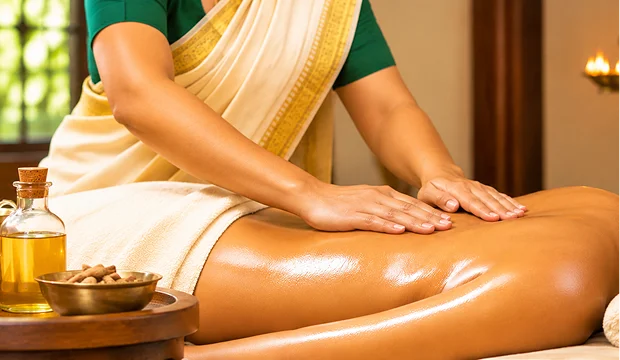
If you do only one thing for Vata this winter, make it abhyanga, a warm oil self-massage before your bath. Oil is the direct opposite of Vata’s dryness, and the slow, warm strokes calm the nervous system.
How to do it: Warm the oil, massage from your scalp down to your feet for 10–15 minutes, let it soak in for 15–20 minutes, then take a warm bath. Warm sesame oil is the classic Vata oil. For an herbal option, Balashwagandha Lakshadi Taila is made for regular abhyanga and supports strength and muscle health. If stiffness and back pain are your main Vata complaints, Dhanwantharam Kuzhambu is a classical Vata-balancing oil.
Short on time? Just oil your scalp and the soles of your feet before bed. It is one of the easiest ways to calm Vata and sleep better.
4. Stay Warm and Protected
- Cover your head, ears and neck in cold wind.
- Wear socks, especially in the evening and while sleeping.
- Take warm (not very hot) baths.
- Avoid sitting directly under fans or cold air.
- Use a humidifier or a bowl of water in heated rooms to stop the air getting too dry.
5. Choose Gentle, Grounding Exercise
Vata does better with slow, steady movement than with intense, exhausting workouts. Try yoga, walking, swimming in heated pools, tai chi or light strength training. Grounding yoga poses like Child’s Pose, Forward Bends, Cat-Cow and Legs-up-the-Wall are especially calming.
6. Calm the Mind
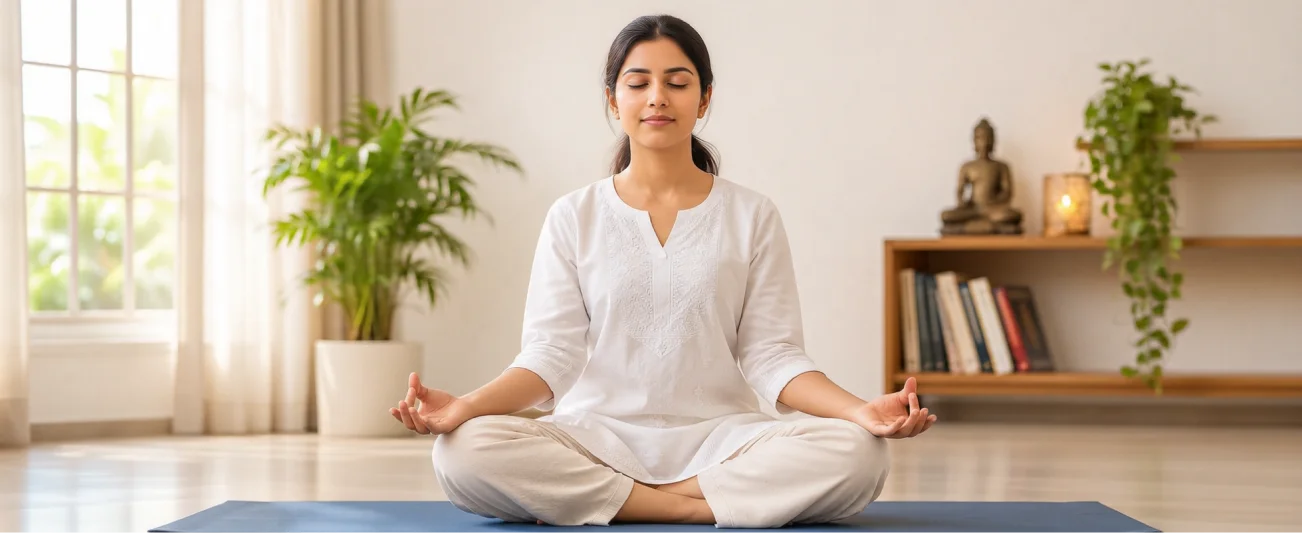
Because Vata rules the nervous system, calming the mind is a key part of bringing it back into balance. Try 10 minutes of slow breathing such as Anulom Vilom (alternate nostril breathing) or Bhramari (humming bee breath), a short meditation, or quiet time without your phone. For more ideas, see our top 10 Ayurvedic tips for stress relief at home.
7. Get Enough Rest
Sleep is the best medicine for an overworked Vata. Wind down by 9:30 pm, keep the room warm and dark, and avoid heavy screens before bed. A daytime nap is not usually advised in Ayurveda, but a short rest is fine if you are recovering from illness or feeling very drained.
Which Ayurvedic Herbs and Products Help Balance Vata Dosha?
Lifestyle and diet come first, but these traditional herbs and oils can support your routine. Choose based on your main vata dosha symptoms:
| Product | Key ingredient | Traditionally used for | Best for | Price |
|---|---|---|---|---|
| Balashwagandha Lakshadi Taila (200ml) | Ashwagandha, Laksha, Rasna, Manjishta | Strength, energy, muscle support; regular abhyanga | Dry skin, body aches, low energy | ₹220 |
| Dhanwantharam Kuzhambu (200ml) | Bala, Dashamoola, Meda, ghee | Vata imbalance, muscle stiffness, back and joint pain | Stiffness, back pain, postnatal care | ₹220 |
| Ashwagandha Churna (90gm) | Ashwagandha | Stress, fatigue, energy and nervous system support | Stress, tiredness, restlessness | ₹190 |
| Balamula Churna (90gm) | Bala root | Nerve and muscle strength, stamina | Weakness, body pain | ₹140 |
| Hareetaki Churna (90gm) | Haritaki | Digestion and regular bowel movements | Constipation, sluggish digestion | ₹150 |
- For stress, poor sleep and tiredness: Ashwagandha Churna is Ayurveda’s best-known herb for calming and strengthening. Read our full Ashwagandha guide.
- For weakness and body pain: Balamula Churna is a traditional nerve and muscle tonic. Take it under medical supervision, and see our Balamula Churna guide.
- For constipation: Hareetaki Churna is taken with warm water, honey or ghee at bedtime. Too much can loosen stools, so stick to the recommended amount.
Explore more options in our Vitality, Bone, Joint & Muscle Health and Gut Health and Constipation collections. If you have weak bones or joint pain that worsens in winter, also read weak bones after 40.
A Simple Winter Day to Balance Vata Dosha
| Time | What to do |
|---|---|
| 6:00–7:00 am | Wake at the same time. Drink a glass of warm water. |
| 7:00 am | Warm oil massage (abhyanga), then a warm bath. |
| 7:30 am | 10 minutes of gentle yoga and slow breathing. |
| 8:00 am | Warm breakfast: oats or upma with ghee, or poha with soaked almonds. |
| 12:30–1:30 pm | Main meal of the day: rice or roti, dal, cooked vegetables, a little ghee. |
| 4:00 pm | Herbal tea with ginger or cinnamon, and a handful of dates or nuts. |
| 7:00 pm | Light, warm dinner: soup or khichdi. |
| 9:30 pm | Warm spiced milk, oil on the soles of the feet, screens off. |
| 10:00 pm | Sleep. |
When Should You See a Doctor?
Many signs of Vata imbalance overlap with medical conditions. Please see a doctor if you have:
- Unexplained weight loss
- Severe or long-lasting constipation, or blood in your stool
- Persistent numbness, tingling or weakness in your limbs
- Ongoing anxiety, low mood or sleeplessness that affects daily life
- Joint pain with swelling, redness or fever
For personalised Ayurvedic guidance on how to balance vata dosha for your body, you can consult a doctor at AyurvedaOne.

Final Thoughts
Vata dosha keeps you creative, quick and full of life, but in winter it easily tips into dryness, stiffness, gut trouble and a restless mind. Learning to spot the early vata dosha symptoms, and knowing how to balance vata dosha with warmth, oil, nourishing food and routine, can make the cold months far more comfortable. Start with a daily oil massage using Balashwagandha Lakshadi Taila, eat warm cooked meals, sleep on time, and add herbs like Ashwagandha Churna when you need extra support.
This article is for general information only and is not a substitute for medical advice. Please consult a qualified doctor or Ayurvedic physician before starting any herbal product, especially if you are pregnant, nursing or have a health condition.
Related Products


Ushira Churna (90gm) – Ayurvedic Body Cooling, Urinary & Skin Support
In stock
₹160.00

Doorva Churna (Durva Grass Powder) – Best Ayurvedic Medicine to Reduce Body Heat | 90g
In stock
₹150.00Secure your child’s immunity with Swarnaprashna
Swarnaprashana blends Swarnabhasma with medhya herbs to protect and empower your child’s health.
Vata Dosha: Frequently Asked Questions
1. What is vata dosha?
Vata dosha is one of the three Ayurvedic body energies, made of air and space. It controls all movement in the body, including breathing, circulation, digestion, nerve signals and thoughts.
2. What are the main vata dosha symptoms?
The main vata dosha symptoms are dry skin and hair, cold hands and feet, joint stiffness, constipation, gas and bloating, anxiety, restlessness and poor sleep.
3. How to balance vata dosha quickly?
The fastest ways to balance vata dosha are warm oil massage, warm cooked meals with ghee, sipping warm water, keeping warm and going to bed at a regular time. Most people notice a difference within a week or two of consistent habits.
4. Why do vata dosha symptoms get worse in winter?
Winter is cold, dry and windy, just like Vata. Because like increases like in Ayurveda, winter weather naturally raises vata dosha, so symptoms like dry skin, stiff joints and poor sleep often flare up.
5. What foods should I avoid with high vata dosha?
Avoid cold drinks, ice cream, raw salads in excess, dry snacks like chips and crackers, too much caffeine and stale or leftover food. Choose warm, cooked, slightly oily meals instead.
6. Which oil is best for vata dosha?
Warm sesame oil is the classic choice for Vata. For extra nourishment, herbal oils like Balashwagandha Lakshadi Taila or Dhanwantharam Kuzhambu are traditionally used for Vata-type dryness, stiffness and aches.
7. Can vata dosha cause anxiety?
In Ayurveda, excess vata dosha is closely linked to anxiety, worry, a racing mind and poor sleep. Routine, warm food, oil massage and calming breathing help settle it. Ongoing anxiety should be discussed with a doctor.
8. Is ashwagandha good for vata dosha?
Ashwagandha is one of the most traditionally used herbs for calming and strengthening Vata. Ashwagandha Churna is an easy way to take it. Check with a doctor if you are pregnant, nursing or have a medical condition.
Discover your Ayurvedic balance with our doctor consultations, shop by health concern, or take a quick dosha quiz to find what fits you.
Related Blogs
 Hair
Ayurvedic Hair Care: Best Oils and Remedies for Itchy Scalp
An itchy scalp is one of those problems that is easy to ignore until it isn’t: the constant…
Read More
 Heart Health
What Are Cardorium Plus Uses and Its Benefits?
Cardorium Plus is an Ayurvedic herbal formulation made for cardiovascular support. It combines seven herbs traditionally valued for…
Read More
 Joint Pain
Why Does Knee Pain Increase in Cold Weather? Ayurvedic Care Tips
Every winter the same thing happens. The first cold mornings arrive, and your knees complain: stiff when you…
Read More
 General
What Is Abhyanga Massage & Which Oil Is Best for Abhyanga Massage According to Ayurveda?
Abhyanga massage is a traditional Ayurvedic full-body massage with warm oil, applied from the scalp to the soles…
Read More